
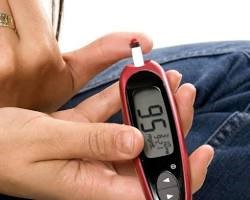
Diabetes, often referred to as diabetes mellitus, is a chronic metabolic disorder characterized by high blood sugar levels. It occurs when the body either doesn’t produce enough insulin or can’t effectively use the insulin it produces. Insulin, a hormone made by the pancreas, plays a crucial role in regulating blood sugar levels by helping glucose enter the body’s cells for energy.
Symptoms of Diabetes
The symptoms of diabetes can vary depending on the type and severity of the condition. Some common signs and symptoms include:
- Increased Thirst: Excessive thirst, also known as polydipsia, is a common symptom of diabetes. High blood sugar levels lead to increased urination, which can cause dehydration and trigger thirst.
- Frequent Urination: Increased urination, also called polyuria, is another hallmark symptom of diabetes. The body tries to eliminate excess glucose through urine, leading to frequent urination.
- Increased Hunger: Despite eating more than usual, people with diabetes may experience increased hunger, known as polyphagia. This occurs because the body’s cells are not getting enough glucose for energy.
- Unexplained Weight Loss: In type 1 diabetes, the body cannot use glucose for energy due to a lack of insulin, leading to the breakdown of muscle and fat for fuel, resulting in weight loss.
- Fatigue: High blood sugar levels can interfere with the body’s ability to use glucose efficiently, causing fatigue and tiredness.
- Blurry Vision: High blood sugar can damage the small blood vessels in the eyes, leading to blurry vision. If left untreated, this can progress to vision loss.
- Slow-Healing Sores or Cuts: Diabetes can impair blood circulation and nerve function, which can slow down the healing process of sores and cuts.
- Numbness or Tingling in Hands or Feet: High blood sugar can damage nerves, leading to numbness, tingling, or pain in the extremities.
Causes of Diabetes
The underlying causes of diabetes vary depending on the type:
- Type 1 Diabetes: This is an autoimmune disease where the body’s immune system mistakenly attacks and destroys the insulin-producing cells in the pancreas. The exact cause of this autoimmune reaction is unknown, but genetics and environmental factors are believed to play a role.
- Type 2 Diabetes: This is the most common type of diabetes and is primarily caused by insulin resistance, where the body’s cells don’t respond effectively to insulin. Lifestyle factors, such as obesity, physical inactivity, and unhealthy diet, are major contributors to the development of type 2 diabetes. Genetics also play a role.
- Gestational Diabetes: This type of diabetes develops during pregnancy and usually resolves after childbirth. It is caused by hormonal changes during pregnancy that affect insulin sensitivity.
Types of Diabetes
- Type 1 Diabetes: An autoimmune disease where the body does not produce insulin. It usually develops in childhood or adolescence.
- Type 2 Diabetes: The most common type, caused by insulin resistance and relative insulin deficiency. It often develops in adulthood but is increasingly seen in children and adolescents due to rising obesity rates.
- Gestational Diabetes: A temporary type of diabetes that occurs during pregnancy. It usually resolves after childbirth but increases the risk of developing type 2 diabetes later in life.
- Other Types: Other less common types include maturity-onset diabetes of the young (MODY), latent autoimmune diabetes in adults (LADA), and secondary diabetes caused by certain medications or medical conditions.
Treatment of Diabetes
The treatment of diabetes aims to manage blood sugar levels, prevent complications, and improve overall health. Treatment options include:
- Lifestyle Modifications: Healthy eating, regular exercise, weight management, and stress reduction are essential for managing all types of diabetes.
- Medications: For type 1 diabetes, insulin injections are necessary. For type 2 diabetes, various oral medications or injectable medications may be prescribed to improve insulin production or sensitivity.
- Insulin Therapy: In some cases of type 2 diabetes, insulin therapy may be needed if oral medications are not effective.
- Monitoring Blood Sugar Levels: Regular blood sugar monitoring is crucial to track the effectiveness of treatment and make necessary adjustments.
- Regular Checkups: Regular checkups with your doctor are important to monitor your overall health and manage any complications associated with diabetes.
FAQs about Diabetes
- Can diabetes be cured? Type 1 diabetes currently has no cure, but type 2 diabetes can be reversed in some cases with lifestyle changes and weight loss.
- What are the long-term complications of diabetes? Diabetes can lead to several complications, including heart disease, stroke, kidney disease, nerve damage, eye problems, and foot problems.
- Can I prevent diabetes? You can reduce your risk of type 2 diabetes by maintaining a healthy weight, eating a balanced diet, and engaging in regular physical activity.
- How often should I get tested for diabetes? The frequency of testing depends on your risk factors and your doctor’s recommendations.
- What should my blood sugar levels be? The target blood sugar levels for people with diabetes vary depending on age, overall health, and other factors. Your doctor will help you set appropriate goals.
- Can I eat sugar if I have diabetes? People with diabetes can still enjoy sweets in moderation, but it’s important to monitor carbohydrate intake and choose healthy options.
- Can I drink alcohol if I have diabetes? Moderate alcohol consumption may be acceptable for some individuals with diabetes, but it’s important to discuss this with your doctor.
- Where can I get support for managing diabetes? You can find support from your doctor, a certified diabetes educator, support groups, and online resources.
Conclusion
Diabetes is a chronic condition that requires ongoing management and care. By understanding the symptoms, causes, types, and treatment options, you can take steps to prevent or delay the onset of complications and live a healthy life. If you have concerns about diabetes or suspect you may have the condition, it’s crucial to consult your doctor for diagnosis and personalized treatment. Early detection and proper management are key to living well with diabetes.
mend.zone (Mend Zone), your premier wellness partner, offers a wide range of medical, health, diagnostic, laboratory tests, and checkup packages from reputable, certified diagnostic labs across the country.Book online Book medical tests or health checkup packages online at Mend Zone with competitive prices and special offers.mend.zone – Mend Zone’s online platform allows customers to compare and select the best-rated health checkup packages from leading laboratories nationwide. Discover discounted health checkup plans tailored for various needs, including youth, women, senior citizens, newborns, employees, pre-employment, and couples. |
DISCLAIMER: THIS WEBSITE DOES NOT PROVIDE MEDICAL ADVICE
The information, including but not limited to, text, graphics, images and other material contained on this website are for informational purposes only. No material on this site is intended to be a substitute for professional medical advice, diagnosis or treatment. Always seek the advice of your physician or other qualified health care provider with any questions you may have regarding a medical condition or treatment and before undertaking a new health care regimen, and never disregard professional medical advice or delay in seeking it because of something you have read on this website.