
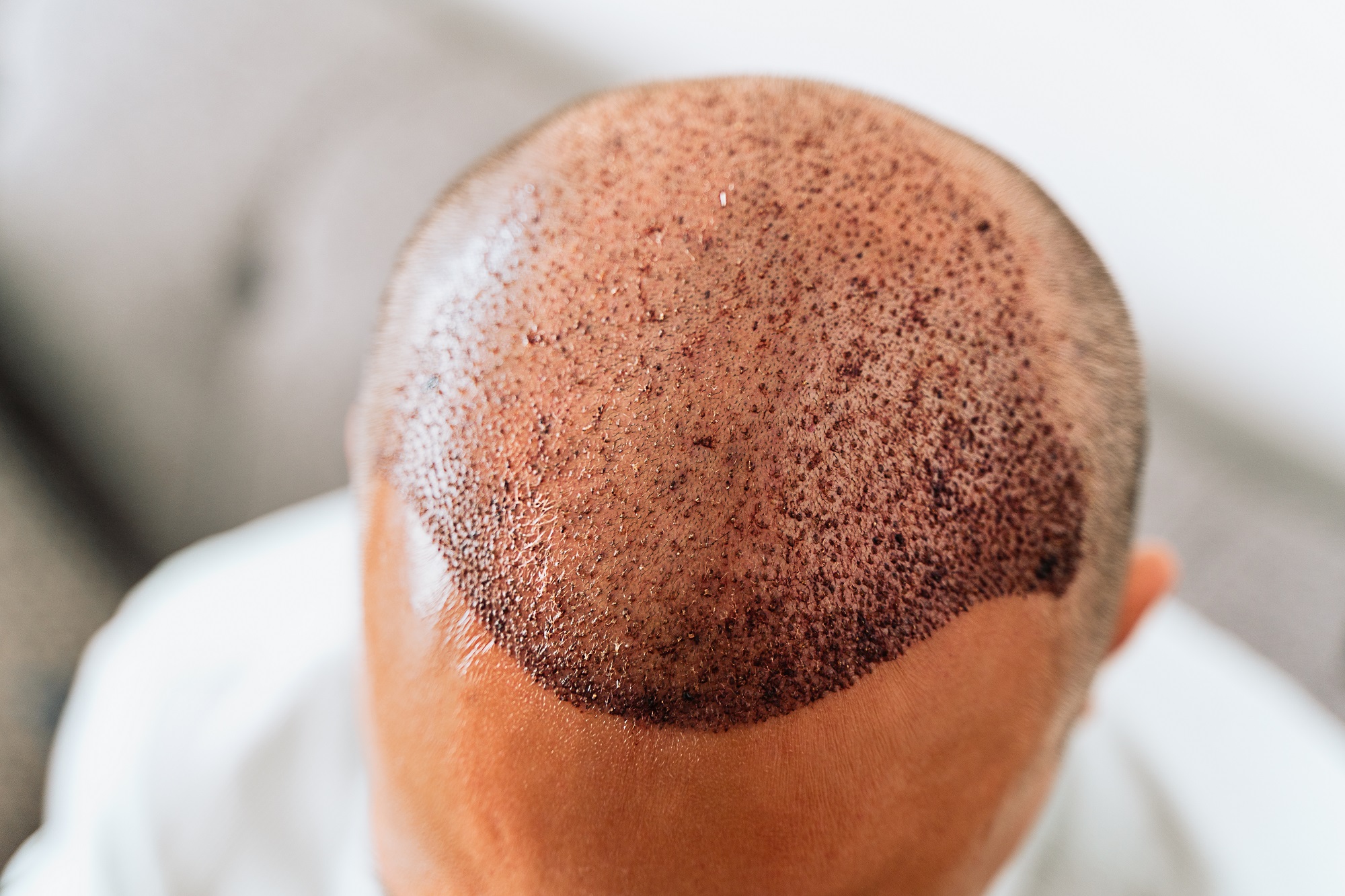
Hair transplantation has emerged as a popular and effective solution for individuals grappling with hair loss. It offers the promise of restoring a fuller head of hair and boosting self-confidence. However, like any surgical procedure, hair transplants come with potential side effects. While most side effects are temporary and manageable, it’s important to be aware of them and understand the recovery process.
In this comprehensive guide, we will delve into the common side effects associated with hair transplants, exploring their causes, symptoms, and effective management strategies. We’ll also discuss how mend.zone, India’s leading AI-powered online platform for health checkups and diagnostic services, can support your post-transplant recovery and overall well-being.
Understanding Hair Transplant Procedures
Hair transplantation is a surgical procedure that involves harvesting hair follicles from a donor area (typically the back of the scalp) and transplanting them to the recipient area (the balding or thinning area). There are two main types of hair transplant procedures:
-
Follicular Unit Transplantation (FUT): This technique involves removing a strip of scalp from the donor area, dissecting it into individual follicular units (groups of 1-4 hair follicles), and transplanting them to the recipient area.
-
Follicular Unit Extraction (FUE): This method involves extracting individual follicular units directly from the donor area using a specialized punch tool and then transplanting them to the recipient area.
Both procedures are generally safe and effective, but they do carry potential side effects that you should be aware of.
Common Side Effects of Hair Transplant
- Swelling and Bruising:
- Cause: The surgical procedure involves incisions and needle punctures, which can lead to swelling and bruising around the scalp, forehead, and eyes.
- Duration: This typically subsides within a few days to a week.
- Management: Applying cold compresses and keeping your head elevated can help reduce swelling.
- Pain and Discomfort:
- Cause: The surgery itself, as well as the healing process, can cause some pain and discomfort.
- Duration: Pain is usually mild to moderate and can be managed with over-the-counter pain medications.
- Management: Follow your doctor’s instructions for pain management and avoid strenuous activity during the initial recovery period.
- Bleeding:
- Cause: Some bleeding is normal after the procedure due to the incisions made in the scalp.
- Duration: Bleeding usually stops within a few days.
- Management: Apply gentle pressure to the bleeding area with a clean gauze pad. If bleeding persists or is excessive, contact your doctor.
- Infection:
- Cause: Though rare, infection can occur at the incision sites or transplanted areas.
- Symptoms: Redness, swelling, pain, warmth, pus, or fever.
- Management: Follow your doctor’s post-surgery care instructions carefully, which may include keeping the area clean and dry and taking prescribed antibiotics.
- Numbness or Tingling:
- Cause: The surgery can temporarily affect the nerves in the scalp, leading to numbness or tingling sensations.
- Duration: This usually resolves within a few weeks or months.
- Management: Be patient and avoid scratching or rubbing the affected area.
- Itching:
- Cause: Itching is a common side effect during the healing process as the scalp heals and new hair grows.
- Duration: Itching usually subsides within a few weeks.
- Management: Avoid scratching, as it can damage the newly transplanted hair follicles. Use a gentle shampoo and conditioner, and consider applying a cool compress to soothe the itch.
- Shock Loss:
- Cause: This refers to temporary shedding of the transplanted hair and some of the existing hair around the transplanted area. It’s a normal part of the hair growth cycle and typically occurs a few weeks after the surgery.
- Duration: The shed hair usually starts to regrow within a few months.
- Management: Don’t panic! This is a temporary phase, and new hair growth will eventually occur.
- Scarring:
- Cause: Scarring can occur at the donor and recipient sites, especially with the FUT procedure.
- Duration: Scars usually fade over time and become less noticeable.
- Management: Follow your doctor’s post-surgery care instructions to minimize scarring.
- Unnatural-Looking Hairline:
- Cause: If the hair transplant is not performed by a skilled surgeon or if the hairline design is not well-planned, it can result in an unnatural appearance.
- Management: Choose a reputable and experienced hair transplant surgeon to minimize this risk.
- Cysts:
- Cause: Small cysts may develop around the transplanted hair follicles.
- Duration: These are usually temporary and resolve on their own.
- Management: If cysts persist or become painful, consult your doctor.
Post-Transplant Care: Key to Successful Healing
Proper post-transplant care is crucial for minimizing side effects and promoting optimal healing and hair growth. Your doctor will provide you with detailed instructions, which may include:
- Keeping the area clean and dry.
- Avoiding strenuous activity or heavy lifting.
- Using gentle shampoo and conditioner.
- Applying prescribed medications or ointments.
- Protecting your scalp from the sun.
- Avoiding scratching or rubbing the transplanted area.
mend.zone: Your Partner in Post-Transplant Recovery
Mend.zone offers a range of health checkups and diagnostic tests that can support your post-transplant recovery and overall well-being.
- Monitor Nutritional Status: Ensure you’re getting adequate levels of essential vitamins and minerals that support hair growth and overall health.
- Assess Hormone Levels: Identify any hormonal imbalances that might be contributing to hair loss.
- Check for Underlying Conditions: Rule out any medical conditions that might be affecting your hair growth.
Key Features of mend.zone:
- Compare Diagnostic Packages: Easily compare health checkup packages from various labs to find the best fit for your needs.
- 24/7 Online Access: Book tests and appointments anytime, day or night, for convenience and flexibility.
- Extensive Range of Tests and Packages: Access a variety of health checkups and blood tests to monitor your overall health.
- Home Sample Collection: Enjoy hassle-free sample collection from the comfort of your home.
- AI-Enabled Technology: Get personalized health recommendations based on your individual data and needs.
- Online Booking: Book your tests seamlessly online or through our mobile app.
- Rewards and Discounts: Benefit from exclusive offers and referral bonuses.
- NABL-Accredited Labs: We partner with top-rated labs for accurate and reliable results.
- Expert Guidance: Our team of experts is ready to answer your questions and support you.
Conclusion:
Hair transplantation can be a life-changing procedure, but it’s important to be aware of the potential side effects and take steps to manage them effectively. By following your doctor’s post-surgery care instructions, prioritizing a healthy lifestyle, and utilizing the support services offered by mend.zone, you can optimize your recovery and enjoy the benefits of a fuller head of hair.
Embrace a confident new you with a healthy head of hair! #HairTransplant #HairRestoration #Mendzone #HealthWithMendzone
mend.zone (Mend Zone), your premier wellness partner, offers a wide range of medical, health, diagnostic, laboratory tests, and checkup packages from reputable, certified diagnostic labs across the country.Book online Book medical tests or health checkup packages online at Mend Zone with competitive prices and special offers.mend.zone – Mend Zone’s online platform allows customers to compare and select the best-rated health checkup packages from leading laboratories nationwide. Discover discounted health checkup plans tailored for various needs, including youth, women, senior citizens, newborns, employees, pre-employment, and couples. |
DISCLAIMER: THIS WEBSITE DOES NOT PROVIDE MEDICAL ADVICE
The information, including but not limited to, text, graphics, images and other material contained on this website are for informational purposes only. No material on this site is intended to be a substitute for professional medical advice, diagnosis or treatment. Always seek the advice of your physician or other qualified health care provider with any questions you may have regarding a medical condition or treatment and before undertaking a new health care regimen, and never disregard professional medical advice or delay in seeking it because of something you have read on this website.