
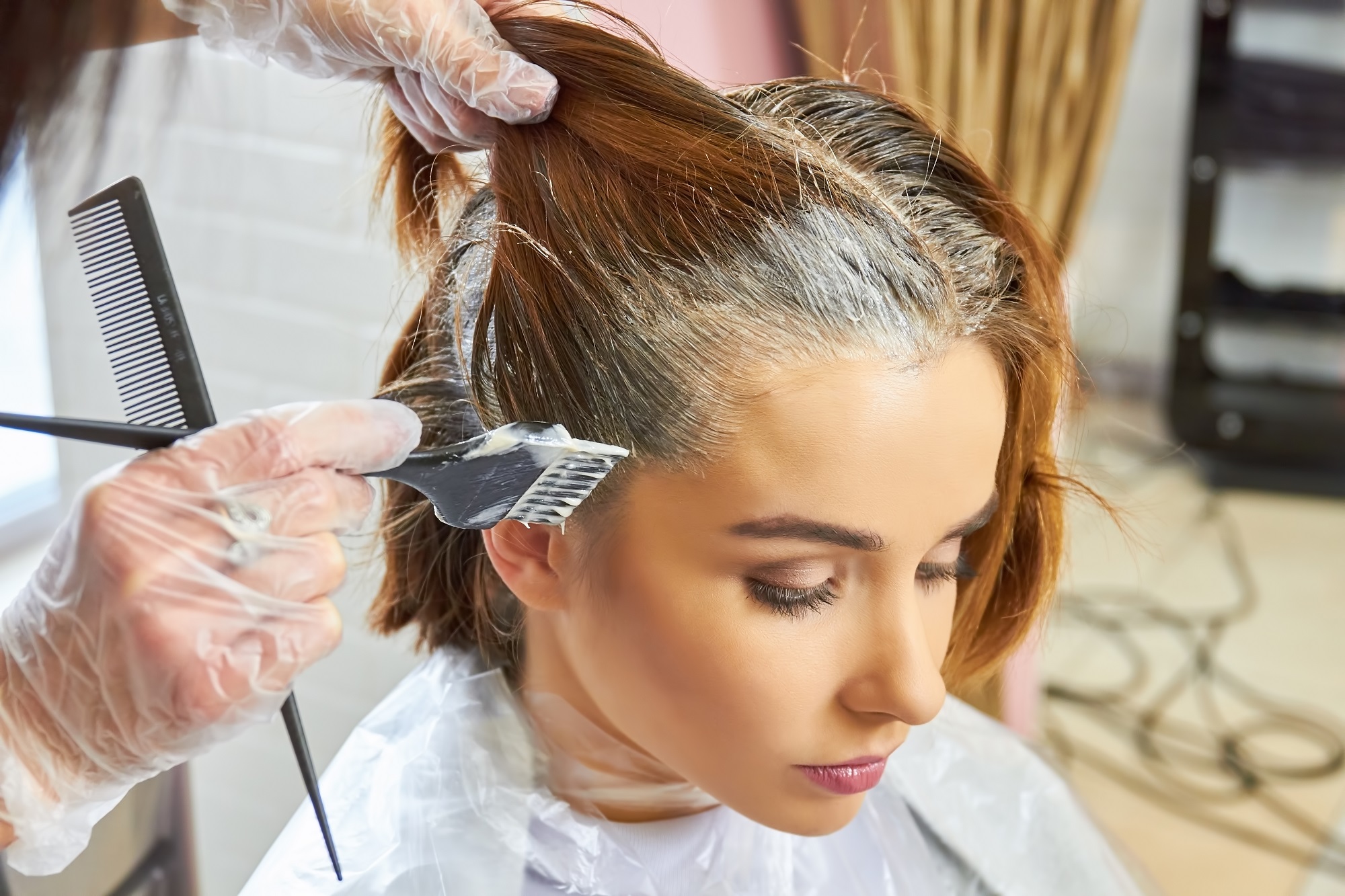
Hair coloring is a popular way to express individuality, enhance beauty, and boost confidence. However, beneath the vibrant hues and transformative possibilities lie potential risks, particularly allergic reactions. While most people experience no adverse effects from hair dye, some individuals can develop sensitivities or allergies to certain chemicals present in these products.
In this comprehensive guide, we will delve into the world of hair dye allergies, exploring the common culprits, symptoms, preventive measures, and treatment options. We will also highlight how mend.zone, a leading online platform for health checkups and diagnostic services, can assist in identifying potential allergies and promoting overall skin health.
Understanding Hair Dye Allergies: The Culprits
Hair dye allergies, also known as hair dye dermatitis, are allergic reactions to specific chemicals found in hair dyes. The most common culprit is paraphenylenediamine (PPD), a chemical used in many permanent and semi-permanent hair dyes, especially darker shades. Other potential allergens include:
- p-aminophenol
- p-toluenediamine
- resorcinol
- ammonia
- peroxide
These chemicals can trigger an immune response in susceptible individuals, leading to various skin and systemic reactions.
Recognizing the Symptoms: From Mild to Severe
Hair dye allergies can manifest in a range of symptoms, varying in severity from mild to severe. Some common signs include:
- Itching and redness: The scalp, face, neck, or other areas where the dye was applied might become itchy and red.
- Swelling: The scalp, face, or even eyelids can become swollen, sometimes significantly.
- Burning or stinging sensation: You may experience a burning or stinging feeling on the scalp, face, or neck.
- Blisters or hives: Fluid-filled blisters or itchy welts (hives) might appear on the skin.
- Hair loss: In rare cases, severe allergic reactions can lead to temporary or permanent hair loss.
- Systemic reactions: In some cases, individuals may experience more generalized symptoms like fever, nausea, vomiting, or difficulty breathing. These symptoms can indicate a severe allergic reaction called anaphylaxis, which requires immediate medical attention.
Preventing Allergic Reactions: Taking Precautions
While not everyone will experience an allergic reaction to hair dye, taking certain precautions can help minimize the risk:
- Patch Test:
- Always perform a patch test 48 hours before applying hair dye, even if you’ve used the same product before.
- Mix a small amount of the dye and apply it to a discreet area of skin, like your inner elbow or behind your ear.
- Observe the area for any signs of redness, itching, or swelling.
- If you experience any reaction, avoid using the product.
- Choose PPD-Free Hair Dyes:
- If you have a known allergy to PPD, opt for PPD-free hair dyes. Several brands offer alternatives that use different coloring agents.
- Follow Instructions Carefully:
- Always follow the instructions on the hair dye packaging meticulously. Do not leave the dye on for longer than the recommended time.
- Wear Gloves:
- Wear gloves when applying the dye to protect your hands from direct contact with the chemicals.
- Avoid Contact with Eyes and Mouth:
- Be careful not to get the dye in your eyes or mouth. If you do, rinse immediately with water.
- Consult Your Doctor:
- If you have any concerns about using hair dye or have a history of allergies, consult your doctor or a dermatologist before applying any hair coloring products.
Managing Allergic Reactions: Seeking Help
If you experience any symptoms of an allergic reaction after using hair dye, seek medical attention promptly.
- Mild Reactions: For mild itching or redness, over-the-counter antihistamines or hydrocortisone cream may provide relief.
- Severe Reactions: If you experience swelling of the face or throat, difficulty breathing, or other severe symptoms, seek immediate medical attention. These could be signs of anaphylaxis, a life-threatening allergic reaction.
Mend.zone: Your Partner in Skin Health
At mend.zone, we understand the importance of identifying potential allergies and maintaining healthy skin. We offer a variety of diagnostic tests, including allergy panels and skin health assessments, that can help you make informed decisions about your skincare choices.
Key Features of mend.zone:
- Compare Diagnostic Packages: Easily compare health checkup packages from various labs to find the best fit for your needs.
- 24/7 Online Access: Book tests and appointments anytime, day or night, for convenience and flexibility.
- Extensive Range of Tests and Packages: Access various health checkups and blood tests to monitor your overall health, including those related to allergies and skin health.
- Home Sample Collection: Enjoy hassle-free sample collection from the comfort of your home.
- AI-Enabled Technology: Get personalized health recommendations based on your individual data and needs.
- Online Booking: Book your tests seamlessly online or through our mobile app.
- Rewards and Discounts: Benefit from exclusive offers and referral bonuses.
- NABL-Accredited Labs: We partner with top-rated labs for accurate and reliable results.
- Expert Guidance: Our team of experts is ready to answer your questions and support you.
Conclusion
Hair coloring can be a fun and expressive way to enhance your appearance, but it’s essential to be mindful of potential allergic reactions. By taking preventive measures, like performing a patch test and choosing PPD-free dyes, you can minimize your risk and enjoy a safe and enjoyable hair coloring experience.
Remember, mend.zone is here to support your health and well-being. Book your health checkups today and prioritize your skin health with informed choices.
#HairDyeAllergies #SkinHealth #SafeColoring #Mendzone #HealthWithMendzone
[Book Now Button]
Remember, your health and safety are paramount. If you have any concerns about hair dye allergies or experience any adverse reactions, consult your doctor or a dermatologist for proper evaluation and guidance.
DISCLAIMER: THIS WEBSITE DOES NOT PROVIDE MEDICAL ADVICE
The information, including but not limited to, text, graphics, images and other material contained on this website are for informational purposes only. No material on this site is intended to be a substitute for professional medical advice, diagnosis or treatment. Always seek the advice of your physician or other qualified health care provider with any questions you may have regarding a medical condition or treatment and before undertaking a new health care regimen, and never disregard professional medical advice or delay in seeking it because of something you have read on this website.