
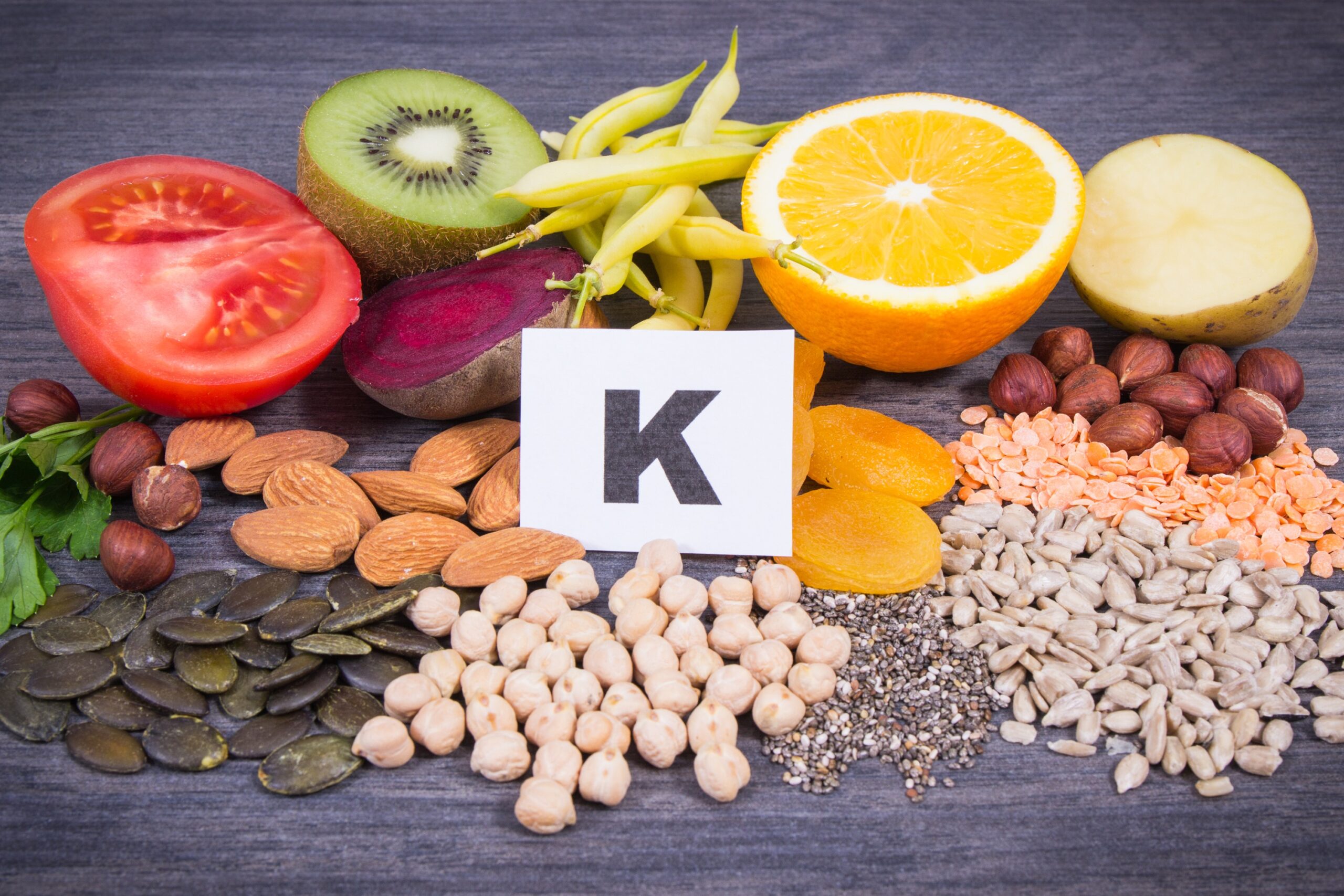
While vitamins like C and D often steal the spotlight, vitamin K quietly plays a critical role in maintaining our health. This fat-soluble vitamin, often overlooked, is essential for blood clotting, bone health, and potentially even heart health. Understanding its functions, sources, and the implications of deficiency can empower you to make informed choices for your well-being.
This comprehensive guide delves into the world of vitamin K, exploring its different forms, the benefits it offers, the risks associated with deficiency, and how to ensure adequate intake. We’ll also highlight how mend.zone, a leading digital healthcare platform, can assist you in monitoring your vitamin K levels and making informed decisions about your health.
Understanding Vitamin K: More Than Just One Vitamin
Vitamin K isn’t a single compound but a group of fat-soluble vitamins with similar structures and functions. The most important ones are:
- Vitamin K1 (Phylloquinone): The primary dietary form of vitamin K, found abundantly in green leafy vegetables like spinach, kale, and broccoli.
- Vitamin K2 (Menaquinone): A group of compounds primarily found in animal products and fermented foods, synthesized by bacteria. It plays a crucial role in directing calcium to the bones and preventing its deposition in arteries.
Why is Vitamin K Essential?
Vitamin K is a vital nutrient that plays a crucial role in:
- Blood Clotting: Its primary function is to activate proteins involved in blood coagulation, preventing excessive bleeding.
- Bone Health: Vitamin K is essential for the production of osteocalcin, a protein that helps bind calcium to your bones, promoting bone strength and reducing the risk of fractures.
- Heart Health: Emerging research suggests that vitamin K2 may help prevent calcium buildup in your arteries, reducing the risk of heart disease.
Health Benefits of Vitamin K
- Ensures Proper Blood Clotting
- Prevents Excessive Bleeding: Vitamin K is essential for the production of clotting factors, proteins that help your blood clot properly. Without enough vitamin K, you may experience excessive bleeding or bruising.
- Strengthens Bones
- Increases Bone Density: Vitamin K helps activate osteocalcin, a protein that binds calcium to your bones, increasing bone density and reducing the risk of fractures, especially in older adults and postmenopausal women.
- May Reduce Osteoporosis Risk: Studies suggest that adequate vitamin K intake may help prevent osteoporosis, a condition that weakens bones and increases the risk of fractures.
- May Protect Heart Health
- Prevents Arterial Calcification: Vitamin K2, in particular, may help prevent calcium from depositing in your arteries, reducing the risk of plaque buildup and heart disease.
- May Lower Blood Pressure: Some studies suggest that vitamin K may help lower blood pressure, further contributing to cardiovascular health.
- May Improve Cognitive Function
- Brain Health: While research is ongoing, some studies indicate that vitamin K may play a role in cognitive health and may help reduce the risk of cognitive decline and Alzheimer’s disease.
- Other Potential Benefits
- May Reduce Cancer Risk: Some studies suggest that vitamin K may have protective effects against certain types of cancer, including liver and prostate cancer.
- May Improve Insulin Sensitivity: Emerging research indicates that vitamin K may play a role in improving insulin sensitivity and glucose metabolism, potentially benefiting individuals with diabetes or prediabetes.
Sources of Vitamin K
-
Vitamin K1 (Phylloquinone):
- Leafy green vegetables (spinach, kale, collard greens)
- Broccoli
- Brussels sprouts
- Vegetable oils (soybean oil, canola oil)
-
Vitamin K2 (Menaquinone):
- Natto (fermented soybeans)
- Liver
- Egg yolks
- Cheese
- Some meats
Recommended Daily Intake
The recommended daily intake of vitamin K varies depending on age and gender. In general:
- Adult men: 120 mcg (micrograms)
- Adult women: 90 mcg
Symptoms of Vitamin K Deficiency
Vitamin K deficiency is rare in healthy adults, but it can occur in individuals with:
- Malabsorption disorders: Celiac disease, Crohn’s disease
- Liver disease
- Long-term antibiotic use
Symptoms of deficiency include:
- Easy bruising
- Excessive bleeding
- Nosebleeds
- Blood in urine or stool
- Heavy menstrual bleeding
FAQs About Vitamin K
-
Can I get enough vitamin K from my diet?
- Most people can get enough vitamin K through a balanced diet that includes leafy green vegetables and other sources. However, certain individuals, such as those with malabsorption disorders or liver disease, may need supplementation.
-
Are there any risks associated with taking vitamin K supplements?
- Vitamin K supplements are generally safe for most people when taken in recommended dosages. However, high doses can interfere with blood-thinning medications like warfarin (Coumadin). Always consult your doctor before taking any supplements, especially if you are on medication.
-
How can I check my vitamin K levels?
- A blood test can measure your vitamin K levels. However, it’s not routinely included in standard blood tests. Talk to your doctor if you have concerns about your vitamin K levels.
mend.zone: Your Partner in Health Management
When it comes to taking control of your health and making informed decisions about your well-being, mend.zone is your trusted ally. We offer a variety of resources and services to support your health goals, including:
Key Features of mend.zone
- Extensive Range of Tests: mend.zone offers a wide variety of tests and packages, catering to various health concerns and preventive care needs.
- Home Sample Collection: Enjoy convenient sample collection at your doorstep. Our trained phlebotomists will visit your home at your preferred time, ensuring a hassle-free experience.
- AI-Enabled Technology: mend.zone leverages advanced AI technology to compare prices and book tests at the best rates, saving you both time and money.
- Online Booking: Easily book your tests online or through the mobile app.
- Rewards and Discounts: Benefit from exclusive offers and referral bonuses.
- NABL-Accredited Labs: We partner with top-rated labs for accurate and reliable results.
- Expert Guidance: Our team of experts is available to answer your questions and guide you through the testing process.
- Compare Diagnostic Packages: Easily compare health checkup packages from various labs to find the best fit for your needs.
- 24/7 Online Access: Book tests and appointments anytime, day or night, for convenience and flexibility.
Conclusion
Vitamin K, though often overlooked, is a crucial nutrient for blood clotting, bone health, and potentially heart health. By ensuring adequate intake through a balanced diet rich in leafy green vegetables, other vitamin K-rich foods, and supplements when necessary, you can support your overall health and reduce the risk of various health problems. Remember, a healthy lifestyle, including a balanced diet, regular exercise, and proactive health management, is key to a vibrant and fulfilling life.
mend.zone (Mend Zone), your premier wellness partner, offers a wide range of medical, health, diagnostic, laboratory tests, and checkup packages from reputable, certified diagnostic labs across the country.Book online Book medical tests or health checkup packages online at Mend Zone with competitive prices and special offers.mend.zone – Mend Zone’s online platform allows customers to compare and select the best-rated health checkup packages from leading laboratories nationwide. Discover discounted health checkup plans tailored for various needs, including youth, women, senior citizens, newborns, employees, pre-employment, and couples. |
DISCLAIMER: THIS WEBSITE DOES NOT PROVIDE MEDICAL ADVICE
The information, including but not limited to, text, graphics, images and other material contained on this website are for informational purposes only. No material on this site is intended to be a substitute for professional medical advice, diagnosis or treatment. Always seek the advice of your physician or other qualified health care provider with any questions you may have regarding a medical condition or treatment and before undertaking a new health care regimen, and never disregard professional medical advice or delay in seeking it because of something you have read on this website.