
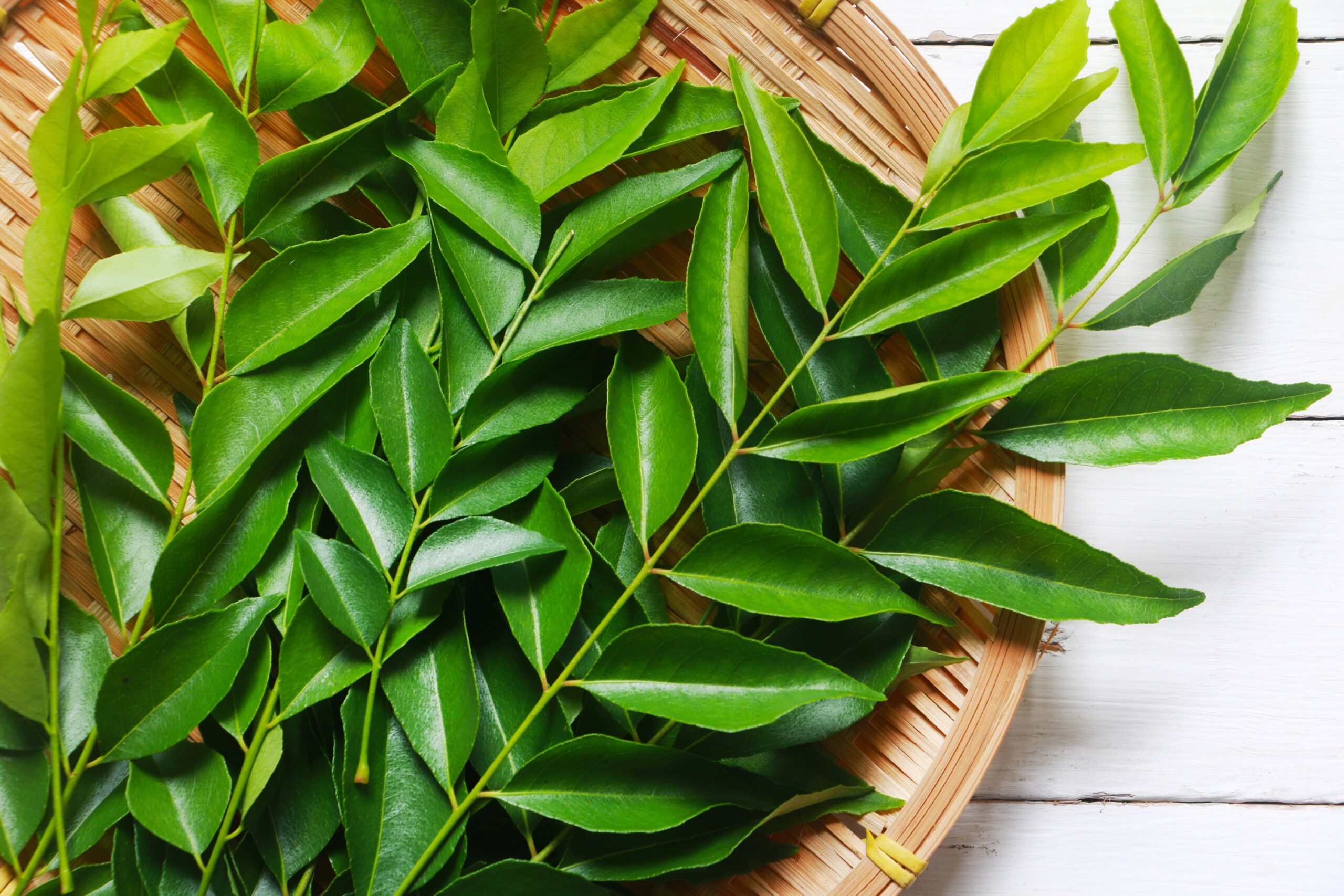
Curry leaves, those glossy, green leaves with a distinct aroma, are a staple in South Asian cuisine. Often used as a fragrant seasoning, curry leaves offer more than just flavor. Packed with vitamins, minerals, and powerful antioxidants, these humble leaves provide a surprising array of health benefits, from improving digestion and boosting heart health to protecting against cell damage and managing diabetes.
This comprehensive guide delves into the remarkable health advantages of incorporating curry leaves into your diet, revealing why this aromatic herb deserves a place beyond the spice rack and into your wellness routine.
A Culinary and Medicinal Tradition
Curry leaves, scientifically known as Murraya koenigii, belong to the Rutaceae family, which also includes citrus fruits. Native to India and Sri Lanka, these aromatic leaves have been used for centuries in traditional Ayurvedic and Siddha medicine to treat various ailments. Today, modern science is validating many of these traditional uses, uncovering the impressive health benefits of this versatile herb.
Nutritional Profile: A Powerhouse of Nutrients
Curry leaves are a nutritional powerhouse, boasting an impressive profile of vitamins, minerals, and beneficial compounds.
Key nutrients found in curry leaves:
- Vitamins: Rich in vitamin A, vitamin C, and various B vitamins, including folic acid, which are essential for immune function, skin health, vision, and energy production.
- Minerals: A good source of calcium, phosphorus, iron, and magnesium, which are crucial for bone health, oxygen transport, and various bodily functions.
- Antioxidants: Curry leaves are loaded with antioxidants, including phenolic compounds, alkaloids, and flavonoids, which protect cells from damage caused by free radicals.
- Essential oils: Contain volatile oils that contribute to their aroma and may have therapeutic properties.
Health Benefits of Curry Leaves
1. Digestive Health Enhancer:
Curry leaves have been traditionally used to improve digestion and alleviate digestive issues.
- Stimulates digestive enzymes: Curry leaves may help stimulate the secretion of digestive enzymes, aiding in the breakdown of food and nutrient absorption.
- Relieves indigestion and bloating: They may help reduce indigestion, bloating, and gas.
- May help with diarrhea and constipation: Curry leaves have been used in traditional medicine to manage both diarrhea and constipation.
2. Heart Health Protector:
Curry leaves contribute to heart health in several ways:
- Lowers cholesterol levels: Studies suggest that curry leaves can help lower LDL (“bad”) cholesterol and triglyceride levels, reducing the risk of heart disease.
- Antioxidant protection: The antioxidants in curry leaves help protect against oxidative stress, which can damage blood vessels and contribute to heart disease.
- May improve blood pressure: Some studies indicate that curry leaves may help lower blood pressure.
3. Blood Sugar Regulator:
Curry leaves may help regulate blood sugar levels, making them beneficial for people with diabetes or those at risk of developing the condition.
- Improves insulin sensitivity: Curry leaves may help improve the body’s response to insulin, the hormone that regulates blood sugar.
- May reduce blood sugar spikes: Some studies suggest that curry leaves may help prevent blood sugar spikes after meals.
4. Antioxidant Powerhouse:
Curry leaves are packed with antioxidants that protect cells from damage caused by free radicals.
- Combats oxidative stress: Oxidative stress is linked to various health problems, including heart disease, cancer, and aging. Curry leaves’ antioxidants help protect against this damage.
- May reduce inflammation: Chronic inflammation is a contributing factor to many diseases. Curry leaves’ antioxidant and anti-inflammatory properties may help reduce inflammation throughout the body.
5. Liver Health Support:
Curry leaves may help protect the liver from damage and support its detoxification processes.
- May protect against liver damage: Studies suggest that curry leaves may help protect the liver from damage caused by toxins and medications.
- May improve liver function: Curry leaves may help improve liver function and detoxification processes.
6. May Aid in Weight Management:
While not a weight loss miracle food, curry leaves can be a healthy addition to a balanced diet for weight management.
- Promotes satiety: The fiber in curry leaves helps you feel full and satisfied, reducing overeating.
- May boost metabolism: Some studies suggest that curry leaves may help increase metabolism and promote fat burning.
7. Other Potential Benefits:
- May protect against cancer: Preliminary studies suggest that curry leaves may have anti-cancer properties, but more research is needed in this area.
- May improve brain health: Some studies indicate that curry leaves may have neuroprotective effects and may help improve memory and cognitive function.
- May promote hair growth: Curry leaves are traditionally used to promote hair growth and prevent premature graying.
- May improve skin health: The antioxidants and vitamins in curry leaves may help improve skin health and reduce acne.
How to Incorporate Curry Leaves into Your Diet
Curry leaves are versatile and can be used in various ways:
- Fresh leaves in cooking: Add fresh curry leaves to curries, soups, stews, and stir-fries for a fragrant flavor boost.
- Dried curry leaves: Dried curry leaves can be used as a spice in various dishes.
- Curry leaf powder: Ground curry leaves can be added to smoothies, yogurt, or sprinkled on food.
- Curry leaf tea: Steep fresh or dried curry leaves in hot water to make a healthy and flavorful tea.
- Curry leaf infused oil: Infuse curry leaves in oil (like coconut or olive oil) for use in cooking or as a hair and scalp treatment.
FAQs about Curry Leaves
Q: How do I choose and store curry leaves?
A: Choose fresh curry leaves that are dark green and free from blemishes. Store them in an airtight container in the refrigerator for up to a week.
Q: Can I eat curry leaves raw?
A: Yes, you can eat curry leaves raw, but they are often tough and fibrous. Adding them to cooked dishes or grinding them into a powder can make them easier to consume.
Q: Are there any side effects of curry leaves?
A: Curry leaves are generally safe for most people when consumed in moderation. However, excessive intake may cause digestive upset. People with allergies to plants in the Rutaceae family (like citrus fruits) should exercise caution.
Q: Where can I buy curry leaves?
A: Curry leaves are readily available in Indian grocery stores and some supermarkets. You can also find them online.
Key Features of mend.zone
mend.zone is an online platform that simplifies the process of booking and managing diagnostic tests. Here are some of its key features:
-
Compare Diagnostic Packages: Easily compare health checkup packages from different labs side-by-side, evaluating factors like included tests, accreditations, customer reviews, and pricing. This allows you to make informed decisions and choose the package that best suits your needs and budget.
-
24/7 Online Access: Book your tests anytime, day or night, through our convenient online platform. This eliminates the need to visit a lab in person or wait for business hours to schedule your tests.
-
Extensive Range of Tests and Packages: Choose from a wide variety of tests and packages to suit your specific health needs, including individual tests, comprehensive health checkups, and specialized panels.
-
Home Sample Collection: Enjoy the comfort and convenience of having a trained phlebotomist visit your home to collect your sample. This saves you time and effort, especially if you have mobility issues or a busy schedule.
-
AI-Enabled Technology: mend.zone utilizes AI to provide personalized health recommendations based on your individual data and needs. It can also help you find the best deals on tests and packages by comparing prices from different labs.
-
Online Booking: Book your tests seamlessly online through the user-friendly website or through the dedicated mobile app. The platform provides a secure and efficient booking process.
-
Rewards and Discounts: Benefit from exclusive offers, referral bonuses, and loyalty programs to make your healthcare journey more affordable.
-
NABL-Accredited Labs: mend.zone partners with top-rated, NABL-accredited laboratories to ensure accurate and reliable test results. This gives you confidence in the quality of the diagnostic services you receive.
-
Expert Guidance: A team of experts is available to answer your questions, provide guidance on test selection, and support you throughout the testing process. You can reach out to them through various channels like chat, email, or phone.
Conclusion
Curry leaves, a culinary staple in many cultures, offer a wealth of health benefits beyond their aromatic flavor. From improving digestion and boosting heart health to regulating blood sugar and protecting against cell damage, curry leaves are a valuable addition to a healthy diet. Incorporate this versatile herb into your meals and experience its remarkable benefits for yourself.
mend.zone (Mend Zone), your premier wellness partner, offers a wide range of medical, health, diagnostic, laboratory tests, and checkup packages from reputable, certified diagnostic labs across the country.Book online Book medical tests or health checkup packages online at Mend Zone with competitive prices and special offers.mend.zone – Mend Zone’s online platform allows customers to compare and select the best-rated health checkup packages from leading laboratories nationwide. Discover discounted health checkup plans tailored for various needs, including youth, women, senior citizens, newborns, employees, pre-employment, and couples. |
DISCLAIMER: THIS WEBSITE DOES NOT PROVIDE MEDICAL ADVICE
The information, including but not limited to, text, graphics, images and other material contained on this website are for informational purposes only. No material on this site is intended to be a substitute for professional medical advice, diagnosis or treatment. Always seek the advice of your physician or other qualified health care provider with any questions you may have regarding a medical condition or treatment and before undertaking a new health care regimen, and never disregard professional medical advice or delay in seeking it because of something you have read on this website.