
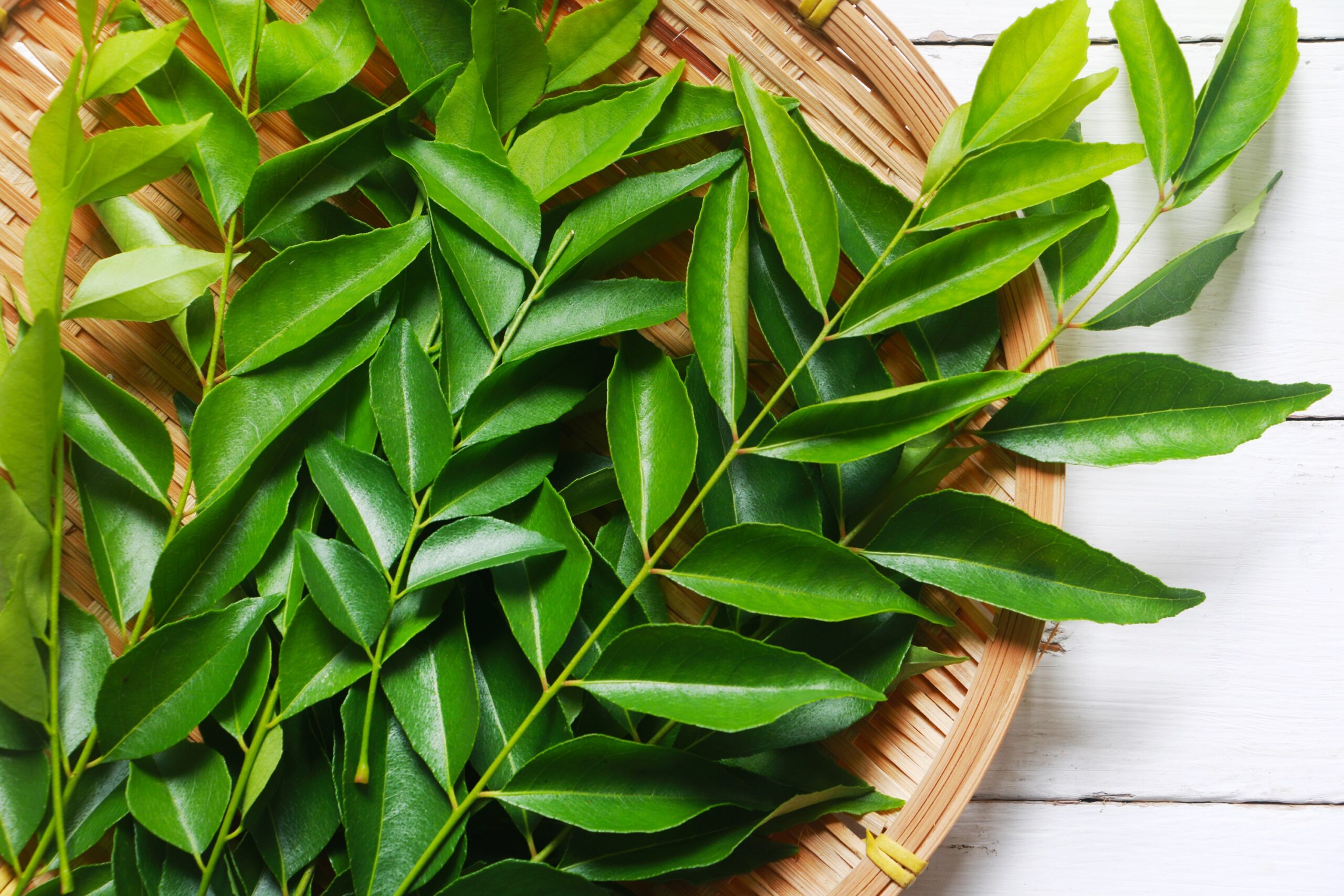
Kadipatta (Murraya koenigii), commonly known as Curry Leaves, is a staple ingredient in Indian cuisine, adding flavor and aroma to various dishes. But beyond its culinary uses, Kadipatta is packed with powerful nutrients and medicinal properties that have been widely recognized in Ayurveda and other traditional healing systems.
Rich in essential nutrients like vitamins A, B, C, and E, along with calcium, phosphorus, iron, and antioxidants, curry leaves are not only great for adding taste to your food but also beneficial for your health. This article explores the numerous health benefits, practical uses, and potential side effects of Kadipatta, along with insights into how it can improve your overall well-being.
Health Benefits of Kadipatta (Curry Leaves)
Kadipatta is more than just a flavor enhancer. Its rich nutrient profile and medicinal properties offer several health benefits, making it a popular ingredient in natural remedies.
1. Promotes Hair Health
One of the most well-known benefits of Kadipatta is its ability to improve hair health. Curry leaves are rich in antioxidants and amino acids, which help strengthen hair follicles, prevent hair fall, and reduce dandruff. They also contain beta-carotene and protein, which promote hair growth and reduce thinning.
2. Boosts Digestion
Curry leaves have traditionally been used to aid digestion. They stimulate digestive enzymes, improving the breakdown of food and absorption of nutrients. Curry leaves also have mild laxative properties, helping to alleviate constipation and other digestive disorders.
3. Aids in Weight Loss
Kadipatta can be a valuable addition to weight loss diets due to its ability to boost metabolism and help the body eliminate toxins. The presence of alkaloids in curry leaves may reduce fat deposition and assist in shedding extra pounds when consumed regularly.
4. Regulates Blood Sugar Levels
Curry leaves are particularly beneficial for individuals with diabetes. They help regulate blood sugar levels by enhancing insulin activity and reducing the breakdown of starch into glucose. Regular consumption of curry leaves may help in managing Type 2 diabetes.
5. Improves Eye Health
The high content of vitamin A in Kadipatta supports eye health. It helps prevent night blindness, strengthens eyesight, and reduces the risk of vision-related problems. The antioxidants in curry leaves also protect the eyes from oxidative stress.
6. Lowers Cholesterol Levels
Kadipatta is known to have lipid-lowering properties. It helps reduce the levels of bad cholesterol (LDL) and increases good cholesterol (HDL), supporting overall heart health. This can help lower the risk of heart diseases like atherosclerosis and stroke.
7. Boosts Immunity
Rich in antioxidants and essential nutrients, curry leaves help strengthen the immune system, making the body more resistant to infections and diseases. The antibacterial, antifungal, and antiviral properties of curry leaves help combat common illnesses like colds and coughs.
8. Supports Kidney Health
Kadipatta is also beneficial for kidney health. Its detoxifying properties help remove harmful toxins from the body, reducing the risk of kidney stones and other urinary tract disorders.
9. Fights Inflammation
Curry leaves contain anti-inflammatory compounds that help reduce inflammation in the body. This is particularly useful in managing conditions like arthritis, where inflammation plays a significant role in pain and discomfort.
10. Anticancer Potential
Studies have shown that curry leaves possess certain compounds that have anticancer properties, particularly in fighting colon and liver cancers. While more research is needed, regular consumption of curry leaves may help in preventing certain cancers.
Uses of Kadipatta (Curry Leaves)
Kadipatta is a versatile herb that can be used in several ways, not only in cooking but also in health and beauty treatments. Here are some common uses of curry leaves:
1. Culinary Use
The most common use of Kadipatta is in cooking, where the fresh or dried leaves are used to add flavor to curries, soups, chutneys, and rice dishes. The leaves are often tempered in oil or ghee to release their flavor before being added to dishes.
2. Curry Leaf Powder
Curry leaves can be dried and ground into a fine powder, which is then used as a spice or added to herbal remedies. This powder retains the health benefits of fresh curry leaves and can be sprinkled over meals for added nutrition.
3. Hair Masks and Oils
Kadipatta is commonly used in homemade hair masks and oils to promote hair growth and prevent dandruff. The leaves can be boiled in coconut oil, and the infused oil can be applied to the scalp for nourishment and to prevent hair fall.
4. Herbal Decoction
A herbal decoction made by boiling fresh curry leaves in water can be consumed to aid digestion, improve immunity, and detoxify the body. It is also used to manage blood sugar levels in people with diabetes.
5. Skin Care
Curry leaves are known for their antibacterial and anti-inflammatory properties, making them effective for treating acne, blemishes, and minor skin infections. A paste made from crushed curry leaves can be applied topically to enhance skin health.
Potential Side Effects of Kadipatta
While Kadipatta is generally safe and beneficial, there are some potential side effects and considerations to keep in mind:
1. Allergic Reactions
Some individuals may experience allergic reactions to curry leaves, particularly when consumed in large amounts. Symptoms may include itching, rashes, or swelling. If you experience any adverse reactions, discontinue use and seek medical advice.
2. Gastrointestinal Discomfort
Consuming an excessive amount of curry leaves can cause mild gastrointestinal issues such as stomach upset, nausea, or diarrhea. It’s best to consume curry leaves in moderation to avoid any digestive discomfort.
3. Pregnancy and Breastfeeding
While curry leaves are generally considered safe during pregnancy and breastfeeding, it’s important to consume them in moderate amounts. If you are pregnant or nursing, it’s always a good idea to consult with a healthcare provider before using curry leaves as a remedy.
4. Medication Interactions
Kadipatta may interact with medications for diabetes or cholesterol management. If you are on medication, consult your healthcare provider before incorporating large amounts of curry leaves into your diet.
FAQs About Kadipatta (Curry Leaves)
1. What are the health benefits of Kadipatta?
Kadipatta offers numerous health benefits, including promoting hair health, aiding digestion, regulating blood sugar levels, supporting weight loss, and improving heart health.
2. How can I use Kadipatta for hair growth?
You can boil curry leaves in coconut oil and use the infused oil to massage your scalp. This helps strengthen hair follicles, prevent hair loss, and stimulate hair growth.
3. Are there any side effects of consuming Kadipatta?
Excessive consumption of curry leaves may cause gastrointestinal discomfort, allergic reactions, or interact with certain medications. It’s best to consume curry leaves in moderation.
4. Can Kadipatta help with weight loss?
Yes, curry leaves can help boost metabolism and aid in the elimination of toxins, which may assist in weight loss when combined with a balanced diet and regular exercise.
5. Is Kadipatta safe for people with diabetes?
Curry leaves have been shown to regulate blood sugar levels, making them beneficial for people with diabetes. However, it’s important to consult a healthcare provider before using them as a remedy, especially if you are on medication.
Key Features of mend.zone
- Compare Diagnostic Packages: Easily compare health checkup packages from various labs to find the best fit for your needs.
- 24/7 Online Access: Book tests and appointments anytime, day or night, for convenience and flexibility.
- Extensive Range of Tests and Packages: Access a variety of health checkups and blood tests to monitor your overall health.
- Home Sample Collection: Enjoy hassle-free sample collection from the comfort of your home.
- AI-Enabled Technology: Get personalized health recommendations based on your individual data and needs.
- Online Booking: Book your tests seamlessly online or through our mobile app.
- Rewards and Discounts: Benefit from exclusive offers and referral bonuses.
- NABL-Accredited Labs: We partner with top-rated labs for accurate and reliable results.
- Expert Guidance: Our team of experts is ready to answer your questions and support you.
Conclusion
Kadipatta (Murraya koenigii), or Curry Leaves, is a versatile herb with a rich history in both cooking and traditional medicine. Its health benefits range from promoting hair and skin health to improving digestion, regulating blood sugar levels, and boosting immunity. While it is generally safe to consume, it is important to use it in moderation and consult with a healthcare provider, especially if you are pregnant, breastfeeding, or on medication.
mend.zone (Mend Zone), your premier wellness partner, offers a wide range of medical, health, diagnostic, laboratory tests, and checkup packages from reputable, certified diagnostic labs across the country.Book online Book medical tests or health checkup packages online at Mend Zone with competitive prices and special offers.mend.zone – Mend Zone’s online platform allows customers to compare and select the best-rated health checkup packages from leading laboratories nationwide. Discover discounted health checkup plans tailored for various needs, including youth, women, senior citizens, newborns, employees, pre-employment, and couples. |
DISCLAIMER: THIS WEBSITE DOES NOT PROVIDE MEDICAL ADVICE
The information, including but not limited to, text, graphics, images and other material contained on this website are for informational purposes only. No material on this site is intended to be a substitute for professional medical advice, diagnosis or treatment. Always seek the advice of your physician or other qualified health care provider with any questions you may have regarding a medical condition or treatment and before undertaking a new health care regimen, and never disregard professional medical advice or delay in seeking it because of something you have read on this website.