
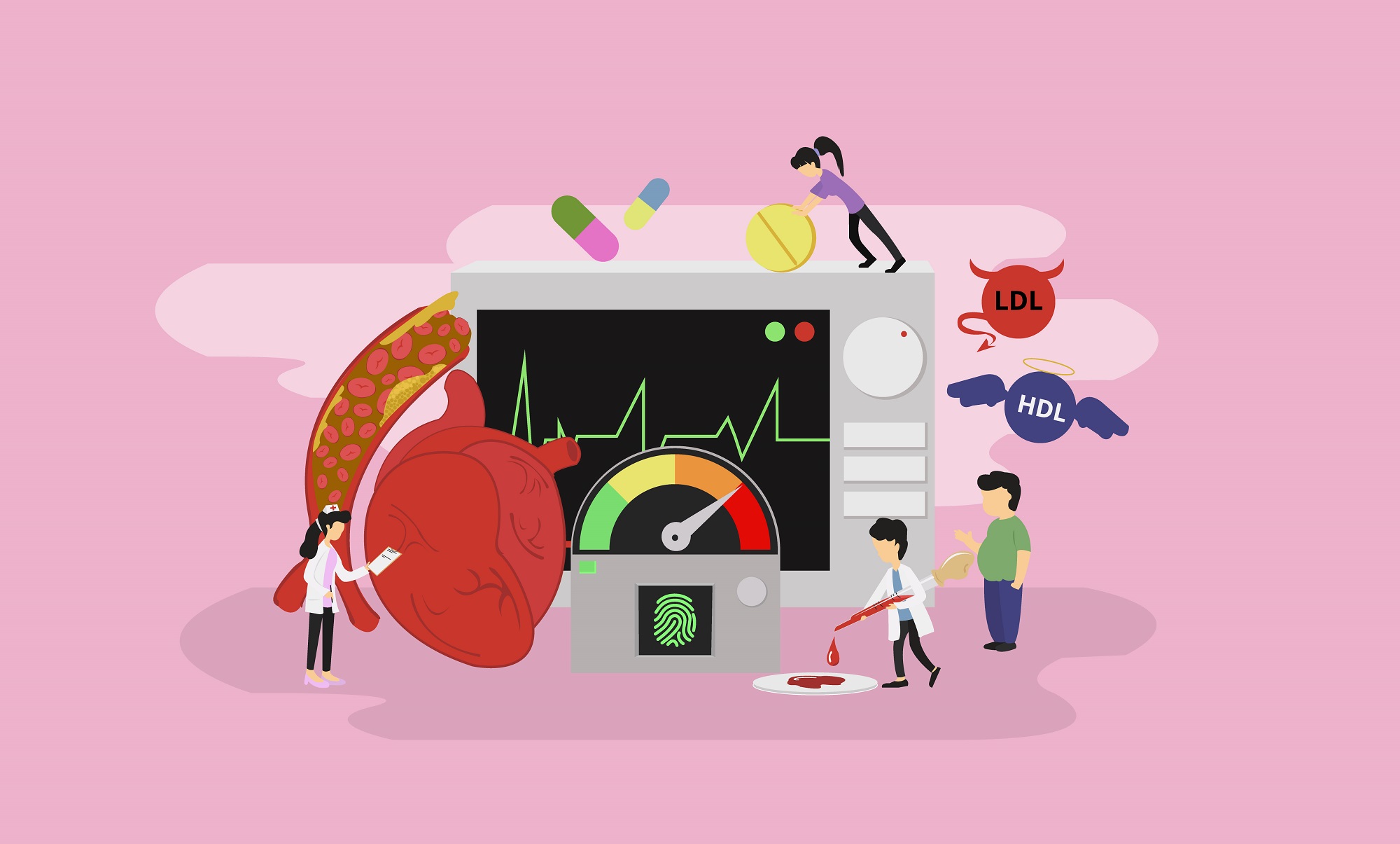
Stress, a pervasive presence in modern life, can significantly impact your physical health, particularly increasing your risk for both diabetes and heart disease.
In this comprehensive guide, we’ll delve into the often-overlooked link between stress, diabetes, and heart disease. We’ll explore the underlying mechanisms, discuss how stress exacerbates these conditions, and provide practical strategies for managing stress to safeguard your well-being.
Understanding the Stress Response
Stress is your body’s natural reaction to challenging or demanding situations. When you perceive a threat – whether it’s a work deadline, a family conflict, or a financial worry – your body initiates a complex physiological response known as the “fight-or-flight” response. This response is designed to help you cope with the perceived danger.
This response involves the release of hormones like adrenaline and cortisol, which trigger various physiological changes, including:
- Increased heart rate
- Elevated blood pressure
- Increased blood sugar levels
- Suppressed immune function
While this stress response is essential for survival in acute situations, chronic stress, where this response is constantly activated, can have detrimental effects on your health, including increasing your risk for diabetes and heart disease.
Stress and Diabetes: A Complex Connection
Stress can contribute to the development and progression of diabetes in several ways:
1. Elevated Blood Sugar Levels:
When you’re stressed, your body releases cortisol, a hormone that increases blood sugar levels to provide your body with energy to cope with the perceived threat. Chronic stress can lead to persistently elevated blood sugar levels, increasing your risk of developing type 2 diabetes.
2. Insulin Resistance:
Cortisol can also interfere with insulin signaling, making your body less responsive to insulin. This insulin resistance can further contribute to high blood sugar levels and increase your risk of diabetes.
3. Unhealthy Coping Mechanisms:
When faced with chronic stress, people often turn to unhealthy coping mechanisms, such as overeating, consuming unhealthy foods, or neglecting exercise. These behaviors can further increase your risk of developing diabetes.
4. Disrupted Sleep:
Stress can interfere with sleep, leading to poor sleep quality and insufficient rest. Lack of sleep can disrupt hormone balance, including insulin regulation, and increase your risk of diabetes.
5. Impact on Diabetes Management:
For those already diagnosed with diabetes, stress can make it challenging to manage blood sugar levels effectively. Stress hormones can cause blood sugar fluctuations, making it harder to maintain stable levels.
Stress and Heart Disease: A Dangerous Duo
Chronic stress can significantly increase your risk of developing heart disease through various mechanisms:
1. Elevated Blood Pressure and Heart Rate:
The stress response triggers an increase in heart rate and blood pressure. Chronic stress can lead to persistently elevated levels, putting a strain on your cardiovascular system and increasing your risk of heart disease.
2. Inflammation:
Chronic stress can contribute to chronic inflammation throughout the body, including in the blood vessels. This inflammation can damage blood vessels and contribute to the development of atherosclerosis (plaque buildup in the arteries), a major risk factor for heart disease.
3. Unhealthy Behaviors:
Stress can lead to unhealthy coping mechanisms, such as smoking, excessive alcohol consumption, and poor dietary choices. These behaviors are major risk factors for heart disease.
4. Disrupted Sleep:
As mentioned earlier, stress can disrupt sleep patterns, leading to poor sleep quality. Lack of sleep can increase your risk of heart disease by contributing to high blood pressure, obesity, and other risk factors.
5. Impact on Existing Heart Conditions:
For those already diagnosed with heart disease, stress can exacerbate symptoms and increase the risk of complications.
The Intertwined Nature of Stress, Diabetes, and Heart Disease
It’s important to recognize that stress, diabetes, and heart disease are often interconnected. Stress can increase the risk of both diabetes and heart disease, and having either of these conditions can increase stress levels, creating a vicious cycle.
For example:
- Stress can lead to diabetes: As discussed, stress hormones can elevate blood sugar and contribute to insulin resistance.
- Diabetes can increase stress: Managing diabetes can be stressful, and the fear of complications can further contribute to anxiety.
- Stress can lead to heart disease: Stress hormones and unhealthy coping mechanisms can increase blood pressure, promote inflammation, and contribute to other heart disease risk factors.
- Heart disease can increase stress: Living with heart disease can be stressful, and the fear of heart attacks or other complications can lead to anxiety and depression.
Managing Stress for Better Health
Recognizing the link between stress and chronic diseases like diabetes and heart disease empowers you to take proactive steps to manage stress effectively. Here are some strategies:
1. Mindfulness and Relaxation Techniques:
- Mindfulness Meditation: Practice mindfulness to bring your attention to the present moment, reducing worry and rumination.
- Deep Breathing Exercises: Deep breathing can help calm your nervous system and reduce stress hormones.
- Progressive Muscle Relaxation: This technique involves tensing and relaxing different muscle groups to release tension and promote relaxation.
2. Physical Activity:
- Regular Exercise: Engage in regular physical activity to release endorphins, improve mood, and reduce stress hormones.
- Yoga and Tai Chi: These practices combine physical postures with mindfulness and deep breathing, promoting relaxation and stress reduction.
3. Healthy Lifestyle Habits:
- Balanced Diet: Nourish your body with a balanced diet rich in fruits, vegetables, whole grains, and lean protein.
- Adequate Sleep: Prioritize getting 7-9 hours of quality sleep per night.
- Limit Alcohol and Caffeine: Excessive consumption of alcohol and caffeine can exacerbate stress and anxiety.
4. Social Connection:
- Connect with loved ones: Spend time with family and friends to foster social support and reduce feelings of isolation.
- Engage in community activities: Participate in activities that connect you with others who share your interests.
5. Seek Professional Support:
- Therapy or Counseling: Consider seeking professional help from a therapist or counselor to develop coping strategies and address underlying emotional issues.
- Stress Management Programs: Many organizations offer stress management programs that provide tools and techniques for coping with stress effectively.
10 FAQs About Stress, Diabetes, and Heart Disease
1. Can stress directly cause diabetes or heart disease?
While stress itself doesn’t directly cause these conditions, it can significantly increase your risk by contributing to various risk factors.
2. How does stress affect blood sugar levels?
Stress hormones like cortisol can elevate blood sugar levels and interfere with insulin signaling.
3. How does stress affect heart health?
Stress can contribute to high blood pressure, inflammation, unhealthy behaviors, and disrupted sleep, all of which increase the risk of heart disease.
4. What are the signs of chronic stress?
Signs of chronic stress include fatigue, irritability, difficulty sleeping, changes in appetite, digestive problems, headaches, and difficulty concentrating.
5. Can stress make diabetes or heart disease worse?
Yes, stress can make managing these conditions more challenging and increase the risk of complications.
6. How can I tell if my stress levels are unhealthy?
If you’re experiencing persistent physical or emotional symptoms of stress, it’s important to consult your doctor or a mental health professional.
7. What are some effective stress management techniques?
Effective stress management techniques include mindfulness meditation, deep breathing exercises, yoga, regular exercise, and social connection.
8. How can mend.zone help me manage stress?
mend.zone offers resources on stress management, including articles, expert guidance, and convenient access to health checkups to monitor your overall health.
9. What is the link between mental health and chronic disease?
Mental health conditions like depression and anxiety are often linked to an increased risk of chronic diseases like diabetes and heart disease.
10. How can I support a loved one who is experiencing stress?
You can support a loved one by offering emotional support, encouraging healthy lifestyle habits, and helping them access resources and professional help if needed.
Key Features of mend.zone
mend.zone is your trusted partner on your wellness journey. We offer a wealth of resources and tools to help you achieve your health goals, including:
-
- Comprehensive Health Screening: We offer a wide range of tests covering everything from blood sugar and cholesterol levels to cancer screening and hormonal assessments.
- Customization Options: Our health checkup packages can be tailored to your needs, ensuring that you only undergo relevant tests.
- Home Sample Collection: Enjoy the convenience of home sample collection, so you don’t have to worry about visiting diagnostic centers.
- Expert Guidance: Our team of healthcare professionals is available to guide you through your personalized checkup, ensuring that you receive the right care.
- Affordable Pricing: We offer competitive pricing for our packages, making quality healthcare accessible to everyone.
- NABL-Accredited Labs: All our tests are conducted in NABL-accredited labs, ensuring the highest standards of accuracy and reliability.
Conclusion
Stress is a pervasive presence in modern life, and its impact on our health, particularly the risk of diabetes and heart disease, is significant. By understanding the link between stress and these chronic conditions and adopting effective stress management techniques, you can take proactive steps to protect your well-being.
mend.zone is your partner in health, providing you with the knowledge, resources, and support you need to manage stress effectively and live a healthier, happier life.
mend.zone (Mend Zone), your premier wellness partner, offers a wide range of medical, health, diagnostic, laboratory tests, and checkup packages from reputable, certified diagnostic labs across the country.Book online Book medical tests or health checkup packages online at Mend Zone with competitive prices and special offers.mend.zone – Mend Zone’s online platform allows customers to compare and select the best-rated health checkup packages from leading laboratories nationwide. Discover discounted health checkup plans tailored for various needs, including youth, women, senior citizens, newborns, employees, pre-employment, and couples. |
DISCLAIMER: THIS WEBSITE DOES NOT PROVIDE MEDICAL ADVICE
The information, including but not limited to, text, graphics, images and other material contained on this website are for informational purposes only. No material on this site is intended to be a substitute for professional medical advice, diagnosis or treatment. Always seek the advice of your physician or other qualified health care provider with any questions you may have regarding a medical condition or treatment and before undertaking a new health care regimen, and never disregard professional medical advice or delay in seeking it because of something you have read on this website.