It is usually done either to increase the quantity of the food item or to reduce the production cost. In some cases, both are the reasons.
Food adulteration may be present in any food, whether raw or processed. However, it is most common in milk, milk products, cereals, pulses, tea, coffee, edible oils, meat, and spices.
Some of the common adulterants used are water, sand, gravel, stones, mud, chalk powder, talc powder, dyes, and sawdust.
The effects of food adulteration can be severe, ranging from mild health issues to chronic illnesses and even death. Some of the common health problems caused by food adulteration include stomach disorders, allergies, neurological disorders, and cancer.
It is important to be aware of the issue of food adulteration and take steps to protect yourself and your family from its harmful effects.
1. Cumin Seeds (Jeera)
Cumin seeds are a staple in many kitchens. However, they are often adulterated with other substances like small stones or seeds dyed to look like cumin.
How to test for adulteration:
Take a small quantity of cumin and rub it between your palms. If your palms are stained with color, the cumin is adulterated. Pure cumin should not leave any color on your hands.
2. Asafoetida (Hing)
Hing is a popular spice used in small amounts in cooking for its strong flavor. However, it’s often mixed with chalk powder or other substances.
How to test for adulteration:
Dissolve a small amount of hing in water. If the solution becomes milky and colorful, it’s likely pure. Additionally, placing a piece of hing on your tongue should cause a bitter sensation if it’s real.
3. Red Chilli Powder
Red chilli powder is one of the most commonly adulterated spices, often mixed with brick powder or artificial colors to enhance its appearance.
How to test for adulteration:
Place a pinch of red chilli powder in water. If the color dissolves and floats like a dye, it’s fake. Real chilli powder will not easily mix with water and should settle at the bottom.
4. Fennel and Coriander Seeds
Fennel (saunf) and coriander seeds are sometimes coated with artificial green polish to make them look fresh and appealing.
How to test for adulteration:
Add iodine solution to fennel or coriander seeds. If the seeds turn black, it indicates the presence of artificial coloring.
5. Black Pepper
Black pepper is often adulterated with papaya seeds, which closely resemble peppercorns but have none of the same flavor or health benefits.
How to test for adulteration:
Drop a few peppercorns into a glass of water. Papaya seeds will float on the surface, while real black pepper will sink to the bottom.
6. Honey
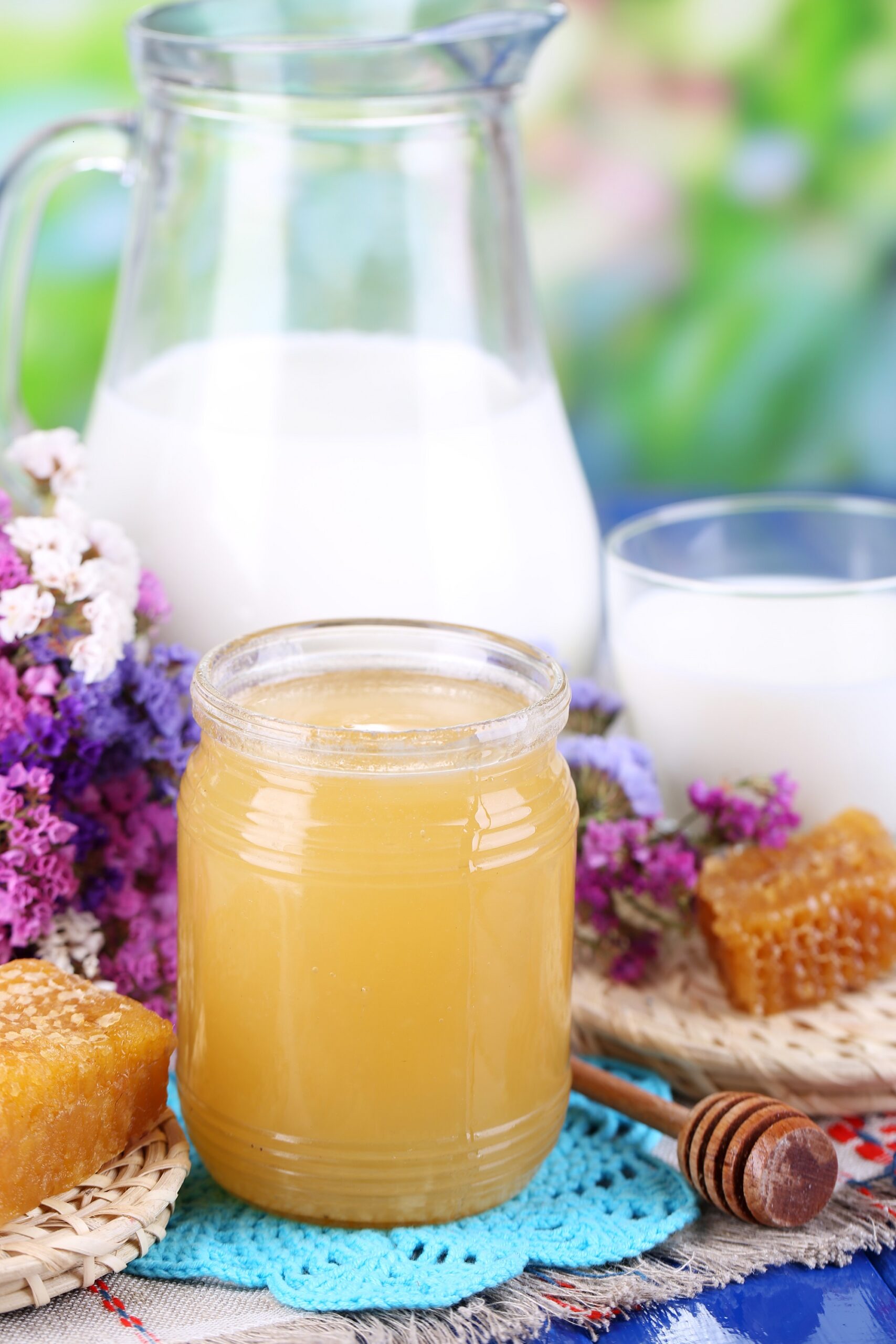
Honey is another common victim of adulteration, often diluted with glucose, sugar syrup, or even water.
How to test for adulteration:
To check the purity of honey, drop a spoonful into a glass of water. If it sinks to the bottom and stays intact, it’s pure. If it dissolves quickly, it’s likely adulterated.
7. Desi Ghee (Clarified Butter)
Desi ghee is highly susceptible to adulteration with vanaspati (a type of hydrogenated fat) or other cheap oils.
How to test for adulteration:
Mix two teaspoons of ghee with two teaspoons of hydrochloric acid and a teaspoon of sugar. If the solution turns red, the ghee has been adulterated.
8. Milk
Milk is often diluted with water, synthetic milk powder, or chemicals to increase its volume.
How to test for adulteration:
Dip your finger into a cup of milk and remove it. If the milk sticks to your finger, it’s pure. If it slides off easily without sticking, it may be diluted.
9. Tea Leaves
Tea leaves are frequently mixed with used tea leaves that are dyed to restore their color.
How to test for adulteration:
Spread a few tea leaves on a damp white paper. If the paper changes color, it indicates the presence of artificial dyes. Pure tea leaves won’t leave any stains.
10. Coffee
Coffee is often mixed with chicory to enhance its flavor and weight, but it compromises the original taste and quality.
How to test for adulteration:
Dissolve coffee powder in a glass of water. Pure coffee will mix uniformly with water, while adulterated coffee with chicory will leave a residue at the bottom.
Why Avoiding Food Adulteration is Essential for Healthy Living
Consuming adulterated food can lead to several health problems, including:
- Digestive disorders: Adulterants like artificial colors, chemicals, and synthetic substances can irritate your digestive system.
- Chronic diseases: Long-term consumption of adulterated food increases the risk of heart disease, liver disorders, and even cancer.
- Nutritional deficiencies: Adulterated food lacks essential nutrients, leaving you vulnerable to deficiencies that can harm your overall health.
- Allergic reactions: Some adulterants may trigger allergic reactions in sensitive individuals, leading to skin rashes, respiratory issues, or gastrointestinal discomfort.
How to Prevent Eating Adulterated Food
While it’s challenging to completely avoid adulteration, following these tips can help minimize your risk:
- Buy organic and local: Organic foods are less likely to be adulterated. Local produce, sourced directly from farmers, often undergoes fewer processes.
- Read labels carefully: Always check for certifications like FSSAI (Food Safety and Standards Authority of India) or USDA Organic when buying packaged foods.
- Avoid overly processed foods: Processed foods are more prone to adulteration. Opt for fresh, whole foods whenever possible.
- Buy from reputable brands: Trusted brands invest in quality control and are less likely to sell adulterated products.
- Test at home: Use the simple tests mentioned in this guide to check the quality of your food at home before consumption.
- Stay informed: Educate yourself about common adulteration practices and keep an eye on food safety alerts from government and regulatory agencies.
The Importance of Clean Eating for Long-term Health
Clean eating goes beyond just avoiding adulterated food. It’s about consuming fresh, nutrient-dense, and minimally processed foods that fuel your body. Here are some long-term benefits of clean eating:
- Improved digestion: Fresh, whole foods are easier for your body to digest, leading to better nutrient absorption and fewer digestive issues.
- Boosted immune system: Eating a balanced diet full of fruits, vegetables, whole grains, and lean proteins strengthens your immune system, helping you ward off illness.
- Sustained energy levels: Clean foods provide steady energy throughout the day, without the highs and crashes associated with processed foods.
- Better mental health: A nutritious diet can reduce stress and anxiety levels while improving mood and cognitive function.
- Enhanced longevity: Regular consumption of clean, unadulterated foods contributes to a longer, healthier life, free from chronic diseases.
mend.zone: Your Partner in Healthy Living
At mend.zone, we understand the importance of clean eating for a healthier lifestyle. We are committed to empowering you with the knowledge and tools you need to make informed decisions about your diet and well-being.
Why Choose mend.zone?
- Personalized Health Checkups: We offer tailored health checkup packages designed to meet your unique dietary and lifestyle needs.
- Home Sample Collection: Our convenient home collection services ensure that you can monitor your health without leaving the comfort of your home.
- NABL-Accredited Labs: Rest assured that your health tests are conducted in accredited labs, ensuring accuracy and reliability.
- AI-Enabled Health Suggestions: Based on your test results, receive personalized, actionable health advice to help you maintain a clean and balanced diet.
Conclusion
Maintaining a healthy diet is the cornerstone of a long and fulfilling life, but it’s essential to be mindful of the food you consume. Food adulteration is a growing concern, and being able to identify and avoid adulterated products is crucial for your health.
By following the simple tests outlined in this guide, you can ensure that the food you eat is safe and unadulterated. Clean eating, coupled with regular health checkups from mend.zone, is a powerful way to enhance your overall well-being and protect yourself from potential health risks.
Stay vigilant, stay healthy, and enjoy the benefits of a clean, nutritious diet!