
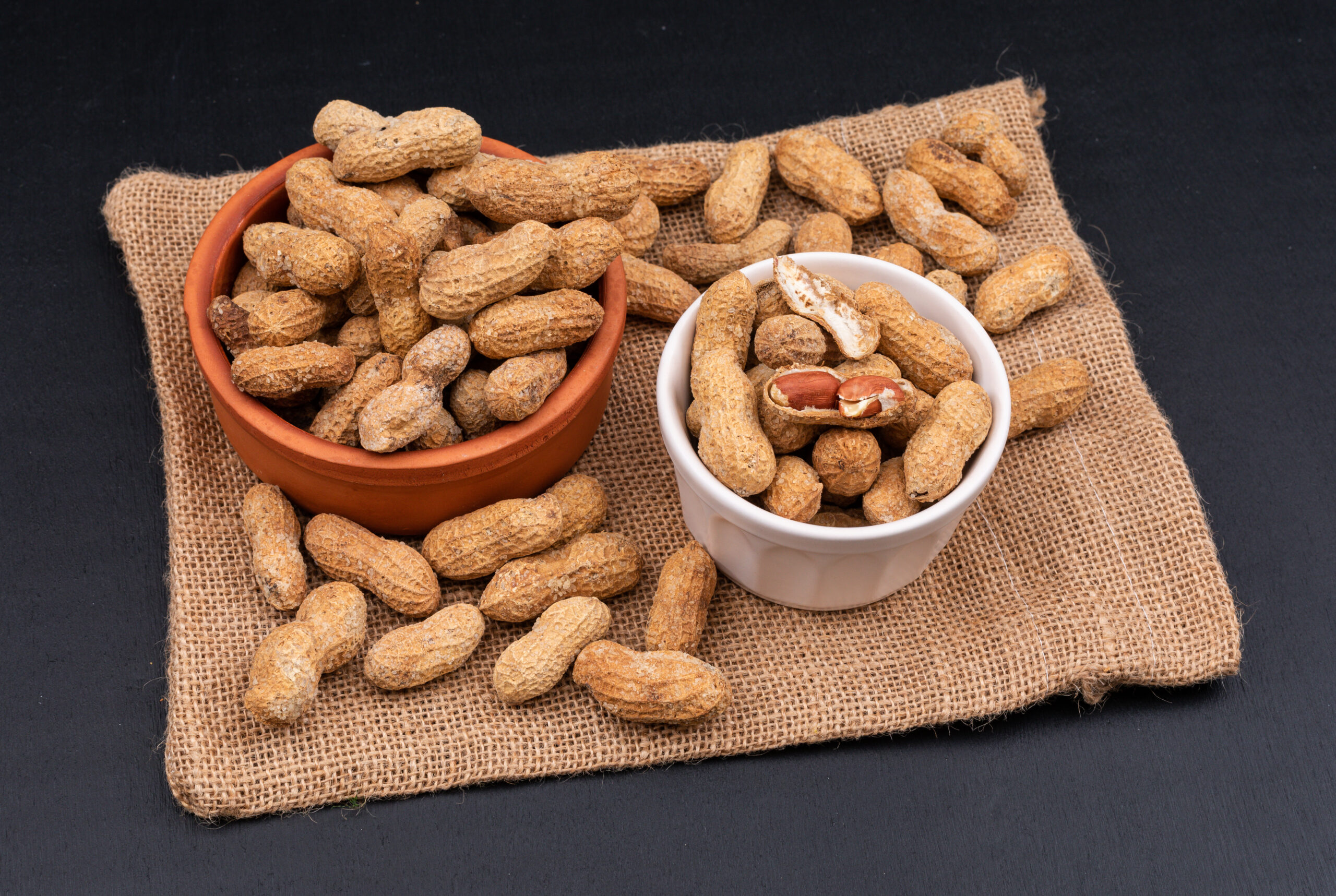
Peanuts, often referred to as “groundnuts,” are a winter favorite for many. Packed with essential nutrients, they make for an excellent snack to keep you energized and warm during the chilly season. Affordable, easily available, and incredibly versatile, peanuts are more than just a tasty treat. They are a powerhouse of health benefits, particularly during winter when the body needs extra care to combat the cold.
This article explores the nutritional value of peanuts, their health benefits, why they are perfect for winter, and how to incorporate them into your diet.
Nutritional Value of Peanuts
Peanuts are an excellent source of macronutrients and micronutrients, making them a valuable addition to your winter diet.
- Protein: Peanuts contain about 25 grams of protein per 100 grams, making them a great plant-based protein source.
- Healthy Fats: Rich in monounsaturated and polyunsaturated fats, peanuts support heart health.
- Fiber: Peanuts are high in dietary fiber, aiding digestion and promoting satiety.
- Vitamins and Minerals: They are loaded with vitamin E, magnesium, potassium, phosphorus, and B vitamins like niacin and folate.
- Antioxidants: Peanuts contain antioxidants such as resveratrol and flavonoids that combat oxidative stress.
A handful of peanuts (approximately 28 grams) provides around 160-170 calories, making them a nutrient-dense snack.
Why Peanuts Are Perfect for Winter
Energy Booster
Peanuts are calorie-dense and provide sustained energy, making them an ideal snack for colder months when the body needs more fuel to stay warm.
Rich in Healthy Fats
The monounsaturated fats in peanuts help maintain body heat and energy levels, crucial for combating winter chills.
Supports Immunity
Peanuts contain zinc, which plays a vital role in supporting the immune system. A strong immune system is essential for fighting off winter illnesses like colds and flu.
Keeps Skin Healthy
Winter often brings dry and flaky skin. The vitamin E and healthy fats in peanuts nourish the skin, keeping it hydrated and preventing dryness.
Promotes Heart Health
Cold weather can increase the risk of heart-related issues. Peanuts help maintain heart health by improving cholesterol levels and reducing inflammation.
Enhances Mood
Peanuts contain tryptophan, an amino acid that supports serotonin production, helping combat winter blues and improve mood.
Improves Bone Health
Peanuts are rich in magnesium and phosphorus, which are essential for maintaining strong bones, particularly during winter when joint and bone issues are more common.
Health Benefits of Peanuts
Aids in Weight Management
Peanuts are high in protein and fiber, which promote satiety and reduce overall calorie intake. When consumed in moderation, they can aid in weight management even during the festive winter season.
Supports Brain Health
Peanuts contain niacin and vitamin E, which support cognitive function and reduce the risk of neurodegenerative diseases like Alzheimer’s.
Improves Digestive Health
The dietary fiber in peanuts helps maintain healthy digestion and prevents constipation, a common winter concern.
Reduces Risk of Diabetes
Peanuts have a low glycemic index, meaning they don’t cause rapid spikes in blood sugar levels. Regular consumption can help reduce the risk of type 2 diabetes.
Anti-Inflammatory Properties
The antioxidants and healthy fats in peanuts reduce inflammation, which is beneficial for joint health and overall well-being during winter.
How to Incorporate Peanuts Into Your Winter Diet
Raw or Roasted Peanuts
Enjoy raw or roasted peanuts as a quick snack. Roasted peanuts are especially popular in winter, providing warmth and a satisfying crunch.
Peanut Butter
Spread peanut butter on whole-grain toast or mix it into smoothies for a delicious and nutritious treat. Look for natural, unsweetened peanut butter for maximum health benefits.
Chikki (Peanut Brittle)
A traditional winter favorite, chikki is made with peanuts and jaggery. It’s a delicious way to enjoy the benefits of peanuts while indulging in a sweet treat.
Peanut Soup
Prepare a warm and creamy peanut soup by blending peanuts with coconut milk, spices, and vegetables. It’s a comforting winter meal that’s both nutritious and satisfying.
Peanut-Based Curries
Use ground peanuts as a thickening agent in curries and gravies. This not only enhances the flavor but also boosts the nutritional content.
Peanut Trail Mix
Combine peanuts with dried fruits, seeds, and dark chocolate chips for a healthy trail mix that’s perfect for snacking on the go.
Peanut Flour
Incorporate peanut flour into baking recipes or use it as a gluten-free alternative to traditional flour in pancakes and bread.
Precautions When Consuming Peanuts
Moderation is Key
Peanuts are calorie-dense, so overconsumption can lead to weight gain. Stick to a portion size of around 1 ounce (28 grams) per serving.
Allergic Reactions
Peanuts are a common allergen. If you experience symptoms like itching, swelling, or difficulty breathing, seek medical attention immediately.
High Sodium Content in Processed Peanuts
Avoid salted or flavored peanuts, as they may contain excessive sodium and artificial additives. Opt for raw or lightly roasted peanuts instead.
Potential Aflatoxin Contamination
Peanuts can be contaminated with aflatoxins, a type of toxin produced by mold. Purchase peanuts from reputable sources and store them in a cool, dry place.
How Mendzone Can Support Your Health This Winter
Mendzone, an Online Health Checkup & Diagnostic Services platform, is dedicated to empowering individuals to take charge of their health. By offering comprehensive tools and resources, Mendzone ensures you stay informed about your well-being.
Key Features of Mendzone
1. Extensive Range of Tests and Packages
Monitor your overall health with comprehensive diagnostic tests tailored to your needs, such as metabolic and nutritional panels.
2. Compare Diagnostic Packages
Evaluate health checkups from trusted labs based on price, reputation, and included services.
3. AI-Enabled Technology
Receive personalized health insights and recommendations to enhance your cardio routine and fitness plan.
4. Online Booking and Home Sample Collection
Book diagnostic tests online and enjoy the convenience of home sample collection.
5. Expert Guidance
Access fitness trainers and nutritionists for personalized advice to optimize fat loss and performance.
6. 24/7 Online Access
View test reports, book appointments, and consult experts anytime via Mendzone’s user-friendly platform.
7. Largest Coverage Across India
With a wide network of NABL-accredited labs, Mendzone ensures reliable diagnostics nationwide.
8. Rewards and Discounts
Save on health checkups and wellness packages with exclusive offers.
9. NABL-Accredited Labs
All tests are conducted in certified labs, ensuring accuracy and reliability.
10. Regular Updates and Insights
Stay informed about the latest fitness and wellness trends with Mendzone’s expert-curated content.
11. Comprehensive Reports
Get detailed insights into your health, including metabolic rates and fat-burning efficiency.
12.Home Sample Collection
A trained professional collects samples at your convenience, eliminating the hassle of lab visits.
Frequently Asked Questions About Eating Peanuts in Winter
Are peanuts safe for everyone?
Peanuts are safe for most people but can cause allergic reactions in some individuals. If you suspect an allergy, consult a doctor before consuming them.
Can eating peanuts in winter help with weight management?
Yes, peanuts are high in protein and fiber, which promote satiety and help control appetite. However, moderation is key to avoid excess calorie intake.
Are roasted peanuts healthier than raw peanuts?
Both are healthy, but roasted peanuts may lose some nutrients during the roasting process. Choose lightly roasted, unsalted varieties for the best balance.
Can peanuts improve skin health?
Yes, the vitamin E and healthy fats in peanuts nourish the skin, keeping it hydrated and preventing dryness during winter.
Do peanuts have any impact on heart health?
Peanuts contain monounsaturated fats, which improve cholesterol levels and support heart health when consumed in moderation.
How many peanuts can I eat daily?
A portion size of 1 ounce (about 28 grams) or a small handful is recommended for daily consumption.
Are peanuts suitable for people with diabetes?
Yes, peanuts have a low glycemic index and can help stabilize blood sugar levels, making them a suitable snack for people with diabetes.
Can peanuts cause weight gain?
Eating too many peanuts can lead to excess calorie intake, which may cause weight gain. Stick to recommended portion sizes to avoid this.
What is the best way to store peanuts?
Store peanuts in an airtight container in a cool, dry place to prevent spoilage and aflatoxin contamination.
Conclusion
Peanuts are a versatile and nutritious snack that can keep you warm and healthy during the winter months. From boosting energy levels to improving skin health and supporting the immune system, peanuts offer a range of benefits that make them a winter staple.
Mendzone is here to support your wellness journey with comprehensive health checkup services, expert advice, and personalized insights. Start incorporating peanuts into your winter diet today and let Mendzone help you achieve your health goals.
Mendzone , your premier wellness partner, offers a wide range of medical, health, diagnostic, laboratory tests, and checkup packages from reputable, certified diagnostic labs across the country.Book online Book medical tests or health checkup packages online at Mend Zone with competitive prices and special offers.Mendzone’s – online platform allows customers to compare and select the best-rated health checkup packages from leading laboratories nationwide. Discover discounted health checkup plans tailored for various needs, including youth, women, senior citizens, newborns, employees, pre-employment, and couples. |
DISCLAIMER: THIS WEBSITE DOES NOT PROVIDE MEDICAL ADVICE
The information, including but not limited to, text, graphics, images and other material contained on this website are for informational purposes only. No material on this site is intended to be a substitute for professional medical advice, diagnosis or treatment. Always seek the advice of your physician or other qualified health care provider with any questions you may have regarding a medical condition or treatment and before undertaking a new health care regimen, and never disregard professional medical advice or delay in seeking it because of something you have read on this website.