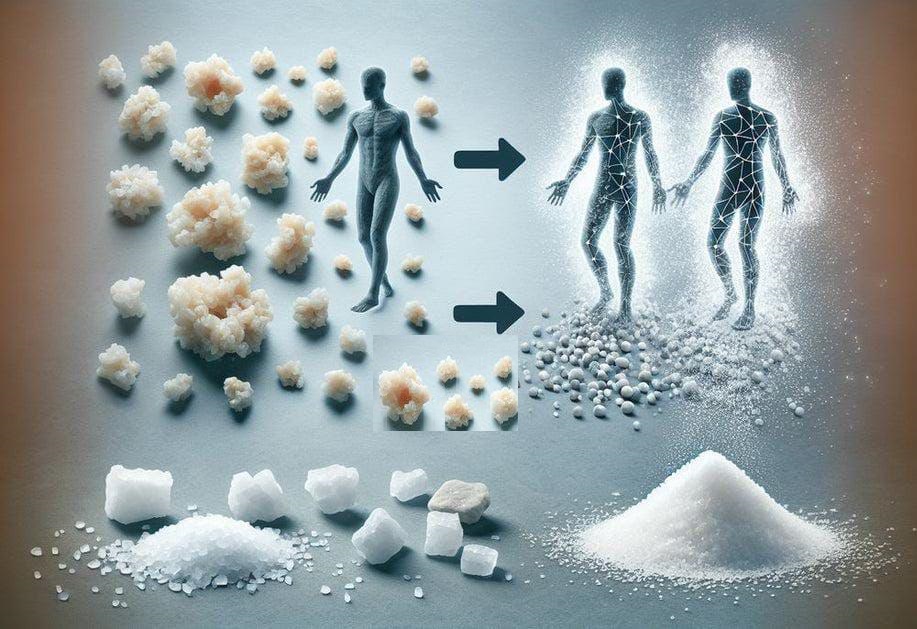
Sodium, often associated with table salt, is a vital mineral that plays an indispensable role in maintaining the body’s overall health. While it’s required in small quantities, its functions are far from insignificant. From regulating body fluids to supporting nerve function, sodium is a cornerstone of many physiological processes.
This article delves into the importance of sodium, its role in the body, signs of deficiency or excess, and practical tips for maintaining healthy sodium levels.
What Is Sodium?
Sodium is a soft, highly reactive metal that is crucial for maintaining various bodily functions. It works primarily as an electrolyte, helping to regulate fluid balance and maintain normal nerve and muscle function. The primary source of sodium in our diet is table salt (sodium chloride).
The Role of Sodium in the Body
Regulating Fluid Balance
Sodium controls the movement of water in and out of cells, maintaining the body’s overall hydration levels. Alongside potassium, it ensures that cells remain in an optimal state to perform their functions.
Supporting Nerve Function
Sodium plays a pivotal role in the transmission of nerve signals. Nerve cells use sodium to generate electrical signals that relay information to and from the brain. Without adequate sodium, nerve function can be impaired, leading to confusion and even neurological disorders.
Facilitating Muscle and Heart Contraction
Sodium is essential for muscle contraction, including the heart muscle. It works with potassium to create electrical impulses that trigger muscle movement.
Transporting Nutrients
Sodium aids in transporting essential nutrients like amino acids, proteins, and glucose into the cells. This ensures the body has the energy and building blocks it needs for repair and growth.
Sodium Deficiency: Symptoms and Causes
A deficiency in sodium, known as hyponatremia, occurs when sodium levels in the blood fall below the normal range. This can result from excessive fluid intake, certain medical conditions, or prolonged physical activity without adequate sodium replenishment.
Symptoms of Sodium Deficiency
- Disorientation or confusion
- Headaches
- Nausea and vomiting
- Muscle weakness or cramps
- Fatigue
- Severe cases can lead to seizures, coma, or even death
Common Causes of Sodium Deficiency
- Prolonged sweating without electrolyte replacement
- Overhydration
- Kidney dysfunction
- Certain medications, like diuretics
- Chronic health conditions like adrenal insufficiency
Excess Sodium: Risks and Consequences
Excess sodium, known as hypernatremia, can also have adverse effects on health. This condition often results from inadequate water intake or excessive sodium consumption.
Health Risks of High Sodium Intake
- High Blood Pressure: Excess sodium can increase blood volume, leading to hypertension.
- Kidney Damage: High sodium levels can strain the kidneys, leading to kidney disease.
- Heart Disease and Stroke: Chronic high sodium intake is linked to an increased risk of cardiovascular problems.
- Bone Health Issues: Excess sodium can lead to calcium loss, weakening bones over time.
Symptoms of Excess Sodium
- Thirst and dehydration
- Swelling in extremities
- Elevated blood pressure
- Headaches
- Restlessness
Sodium and Its Connection to Potassium
Sodium and potassium work together to regulate fluid balance and maintain normal cellular function. While sodium pulls water into cells, potassium helps pump it out, ensuring a healthy equilibrium.
Importance of the Sodium-Potassium Balance
- Prevents water retention and bloating
- Supports normal blood pressure levels
- Facilitates proper nerve and muscle function
An imbalance, such as high sodium and low potassium levels, can disrupt these functions and increase the risk of hypertension and cardiovascular issues.
Daily Sodium Requirements
The recommended daily sodium intake for most adults is less than 2,300 milligrams (mg), which is roughly one teaspoon of table salt. However, the American Heart Association suggests an ideal limit of 1,500 mg for optimal health.
Sources of Sodium in the Diet
- Processed and packaged foods (chips, canned soups, frozen meals)
- Restaurant and fast foods
- Naturally occurring in foods like meats, dairy, and some vegetables
Tips for Maintaining Healthy Sodium Levels
1. Monitor Salt Intake
- Use herbs and spices to season food instead of salt.
- Opt for fresh or frozen produce rather than canned varieties with added sodium.
2. Stay Hydrated
- Drink adequate water to maintain fluid balance and prevent sodium buildup.
3. Read Food Labels
- Look for “low-sodium” or “no salt added” options when shopping.
4. Balance Sodium with Potassium
- Include potassium-rich foods like bananas, spinach, and avocados in your diet to counterbalance sodium’s effects.
5. Be Mindful of Hidden Sodium
- Many condiments, sauces, and baked goods contain hidden sodium. Always check the ingredients list.
How Mendzone Can Help Monitor and Manage Sodium Levels
Mendzone, an Online Health Checkup & Diagnostic Services platform, is dedicated to empowering individuals to take charge of their health. By offering comprehensive tools and resources, Mendzone ensures you stay informed about your well-being.
Key Features of Mendzone
1. Extensive Range of Tests and Packages
Monitor your overall health with comprehensive diagnostic tests tailored to your needs, such as metabolic and nutritional panels.
2. Compare Diagnostic Packages
Evaluate health checkups from trusted labs based on price, reputation, and included services.
3. AI-Enabled Technology
Receive personalized health insights and recommendations to enhance your cardio routine and fitness plan.
4. Online Booking and Home Sample Collection
Book diagnostic tests online and enjoy the convenience of home sample collection.
5. Expert Guidance
Access fitness trainers and nutritionists for personalized advice to optimize fat loss and performance.
6. 24/7 Online Access
View test reports, book appointments, and consult experts anytime via Mendzone’s user-friendly platform.
7. Largest Coverage Across India
With a wide network of NABL-accredited labs, Mendzone ensures reliable diagnostics nationwide.
8. Rewards and Discounts
Save on health checkups and wellness packages with exclusive offers.
9. NABL-Accredited Labs
All tests are conducted in certified labs, ensuring accuracy and reliability.
10. Regular Updates and Insights
Stay informed about the latest fitness and wellness trends with Mendzone’s expert-curated content.
11. Comprehensive Reports
Get detailed insights into your health, including metabolic rates and fat-burning efficiency.
12.Home Sample Collection
A trained professional collects samples at your convenience, eliminating the hassle of lab visits.
Frequently Asked Questions
What happens if I consume too much sodium?
Excess sodium can lead to high blood pressure, kidney strain, and increased risk of heart disease. It may also cause swelling and dehydration.
Can low sodium levels be life-threatening?
Yes, severe hyponatremia can lead to confusion, seizures, coma, and even death if left untreated.
How can I check my sodium levels?
A simple blood test can measure your sodium levels. Mendzone offers comprehensive electrolyte panels to help you monitor your health.
What are some hidden sources of sodium?
Packaged snacks, bread, processed meats, and condiments like soy sauce and ketchup often contain hidden sodium.
How can Mendzone help me maintain healthy sodium levels?
Mendzone provides diagnostic tests and expert advice to monitor and manage your sodium intake, helping you stay healthy.
Conclusion
Sodium is a small but mighty mineral essential for maintaining fluid balance, nerve function, and overall health. While both deficiency and excess can lead to serious health issues, a balanced diet and lifestyle can ensure you get just the right amount. Mendzone is here to support your journey with advanced diagnostics, personalized insights, and expert guidance to keep your sodium levels—and overall health—in check.
Mendzone , your premier wellness partner, offers a wide range of medical, health, diagnostic, laboratory tests, and checkup packages from reputable, certified diagnostic labs across the country.Book online Book medical tests or health checkup packages online at Mend Zone with competitive prices and special offers.Mendzone’s – online platform allows customers to compare and select the best-rated health checkup packages from leading laboratories nationwide. Discover discounted health checkup plans tailored for various needs, including youth, women, senior citizens, newborns, employees, pre-employment, and couples. |
DISCLAIMER: THIS WEBSITE DOES NOT PROVIDE MEDICAL ADVICE
The information, including but not limited to, text, graphics, images and other material contained on this website are for informational purposes only. No material on this site is intended to be a substitute for professional medical advice, diagnosis or treatment. Always seek the advice of your physician or other qualified health care provider with any questions you may have regarding a medical condition or treatment and before undertaking a new health care regimen, and never disregard professional medical advice or delay in seeking it because of something you have read on this website.