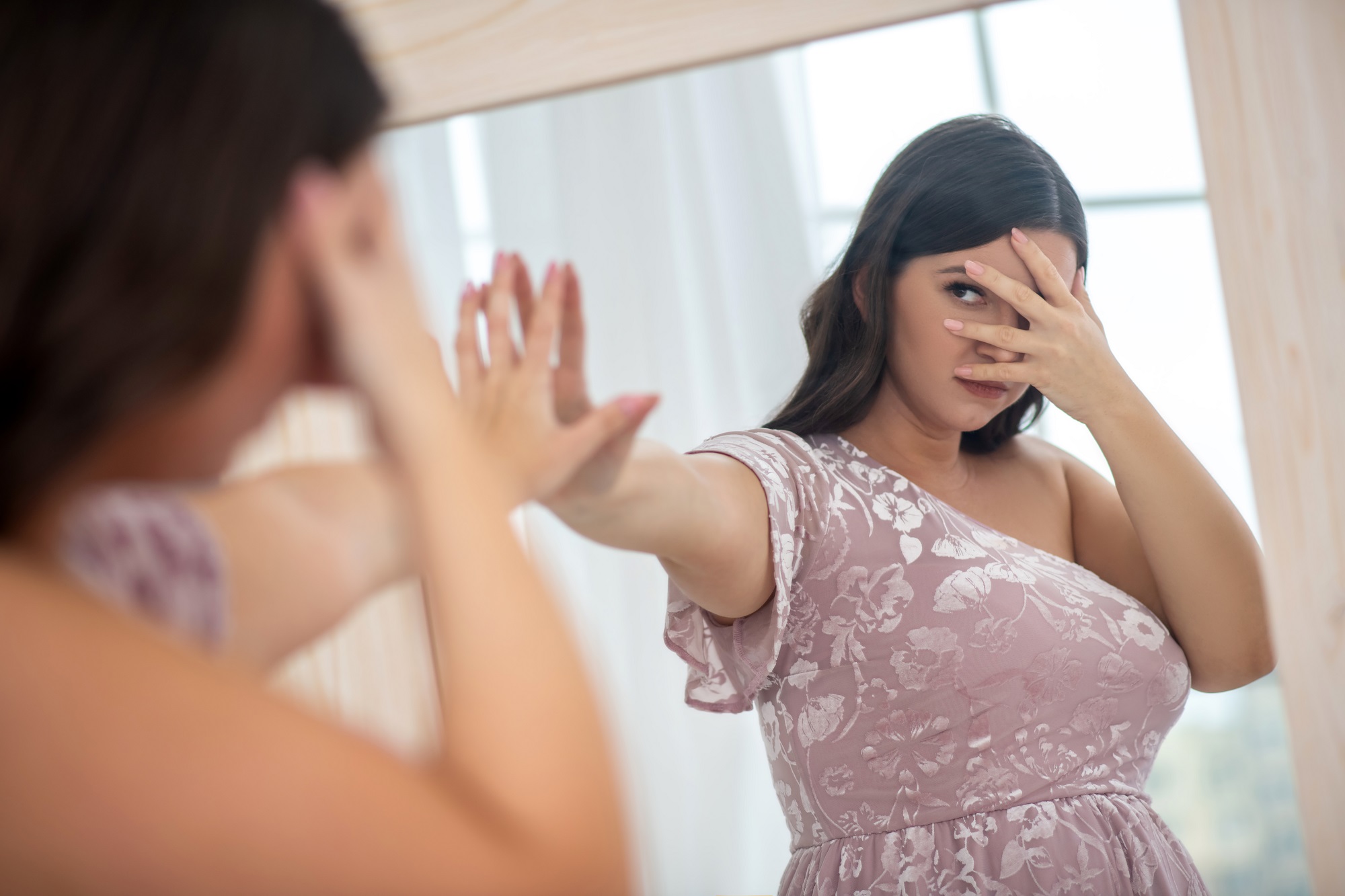
Body Dysmorphic Disorder (BDD) is a mental health condition characterized by an obsessive focus on perceived flaws or defects in one’s physical appearance. These perceived flaws are often minor or not observable to others but cause significant distress and impairment in daily functioning.
Symptoms of Body Dysmorphic Disorder
- Preoccupation with Appearance:
- Excessive concern about one or more perceived defects or flaws in physical appearance, which are not noticeable or appear minor to others.
- Repetitive Behaviors:
- Engaging in behaviors such as mirror checking, excessive grooming, skin picking, or seeking reassurance about appearance.
- Mental Distress:
- Significant distress or problems in social, work, or other areas of functioning due to appearance concerns.
- Avoidance Behaviors:
- Avoiding social situations, public places, or certain activities due to the fear of being seen or judged for appearance.
- Camouflaging:
- Excessive use of makeup, clothing, or other methods to hide perceived flaws.
- Comparisons:
- Constantly comparing one’s appearance with others.
- Seeking Surgery:
- Frequently seeking or undergoing cosmetic procedures with little satisfaction.
Prevention of Body Dysmorphic Disorder
Preventing BDD involves promoting healthy body image and self-esteem, and reducing the factors that may contribute to the development of the disorder. Here are some strategies:
- Education and Awareness:
- Educate individuals about the unrealistic standards of beauty portrayed in the media and encourage critical thinking about these images.
- Promote Healthy Body Image:
- Encourage self-acceptance and body positivity. Focus on body functionality rather than appearance.
- Reduce Bullying and Teasing:
- Address and reduce instances of bullying, especially those related to physical appearance, in schools, workplaces, and social settings.
- Supportive Environment:
- Foster a supportive environment where individuals feel valued and accepted for who they are, not how they look.
- Encourage Healthy Habits:
- Promote healthy lifestyle habits, such as balanced nutrition and regular physical activity, which contribute to overall well-being.
- Seek Professional Help Early:
- Early intervention can be crucial. If signs of excessive preoccupation with appearance are noticed, seek help from mental health professionals.
- Limit Exposure to Social Media:
- Reduce time spent on social media platforms that emphasize appearance and comparison. Encourage following accounts that promote body positivity and diversity.
- Build Self-Esteem:
- Engage in activities that build self-esteem and confidence unrelated to appearance, such as developing skills, hobbies, and relationships.
Treatment Options
If BDD is already present, it’s important to seek professional treatment. Treatment options include:
- Cognitive Behavioral Therapy (CBT):
- CBT helps individuals identify and change distorted thoughts and behaviors related to their appearance.
- Medications:
- Antidepressants, particularly selective serotonin reuptake inhibitors (SSRIs), can be effective in reducing symptoms.
- Group Therapy:
- Support groups and group therapy can provide a sense of community and shared experiences.
- Psychoeducation:
- Educating individuals and their families about BDD to better understand the condition and how to support the affected individual.
By addressing the symptoms early and promoting a healthy body image, the impact of BDD can be minimized, improving the quality of life for those affected.
mend.zone (Mend Zone), your premier wellness partner, offers a wide range of medical, health, diagnostic, laboratory tests, and checkup packages from reputable, certified diagnostic labs across the country.Book online Book medical tests or health checkup packages online at Mend Zone with competitive prices and special offers.mend.zone – Mend Zone’s online platform allows customers to compare and select the best-rated health checkup packages from leading laboratories nationwide. Discover discounted health checkup plans tailored for various needs, including youth, women, senior citizens, newborns, employees, pre-employment, and couples. |
DISCLAIMER: THIS WEBSITE DOES NOT PROVIDE MEDICAL ADVICE
The information, including but not limited to, text, graphics, images and other material contained on this website are for informational purposes only. No material on this site is intended to be a substitute for professional medical advice, diagnosis or treatment. Always seek the advice of your physician or other qualified health care provider with any questions you may have regarding a medical condition or treatment and before undertaking a new health care regimen, and never disregard professional medical advice or delay in seeking it because of something you have read on this website.