
Close Menu

    Subscribe to Updates

    Get the latest creative news from FooBar about art, design and business.

    What's Hot

    Frequent Mouth Ulcers? Blood Tests for Vitamin B12, Folate & Immunity

    July 21, 2025

    Why Your Heart Skips a Beat: Common Tests for Arrhythmia Detection

    July 21, 2025

    PT INR Normal Range Explained: Know About the Prothrombin Time INR Blood Test

    July 19, 2025
    Facebook X (Twitter) Instagram
    Health Tips | Health Blog | Health News | Health Awareness Blog
    • Home
    • Special Offers
    • Privacy Policy
    • Terms & Conditions
    Facebook LinkedIn
    Book Test
    • Home
    • Health
    • Men’s Health
    • Women’s Health
    • Lifestyle
    • Wellness
    • Home Remedies
    Health Tips | Health Blog | Health News | Health Awareness Blog
    Home»Featured»Difference Between COVID-19 IgG antibody and COVID-19 Diagnostic Test
    Featured

    Difference Between COVID-19 IgG antibody and COVID-19 Diagnostic Test

    3 Mins Read
    Share WhatsApp Facebook Twitter LinkedIn Email Copy Link
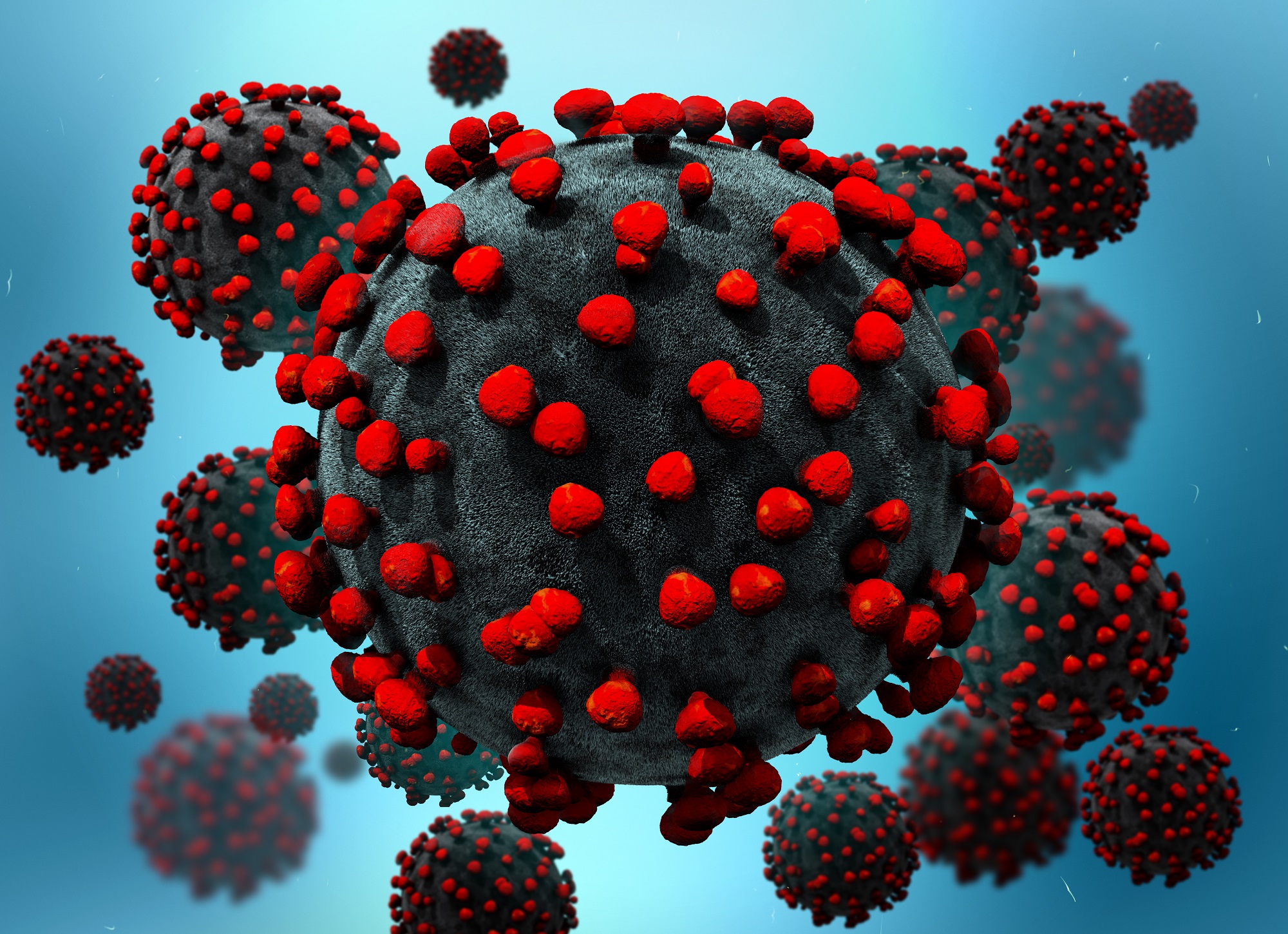
    Difference Between COVID-19 IgG antibody and COVID-19 Diagnostic Test, www.mend.zone
    Share
    WhatsApp Facebook Twitter LinkedIn Email Copy Link
    The COVID-19 IgG antibody test and the COVID-19 diagnostic tests (commonly known as PCR or rapid antigen tests) serve different purposes and are used at different stages of infection. Here’s a detailed comparison:

    COVID-19 IgG Antibody Test

    Purpose

    • Detect Past Infection: Determines if an individual was previously infected with SARS-CoV-2 by detecting IgG antibodies.
    • Assess Vaccine Response: Evaluates the immune response to COVID-19 vaccination.
    • Epidemiological Studies: Helps in understanding the spread and prevalence of the virus within a population.

    When to Use

    • Post-Infection: Typically several weeks after symptom onset or suspected exposure.
    • Post-Vaccination: A few weeks after receiving a COVID-19 vaccine.

    How It Works

    • Sample: Blood sample (usually from a vein in the arm).
    • Detection: Measures the presence of IgG antibodies against SARS-CoV-2 using serological methods like ELISA or CLIA.

    Interpretation

    • Positive Result: Indicates past infection or immune response to vaccination.
    • Negative Result: No detectable IgG antibodies; could mean no prior infection, insufficient immune response, or testing too early.

    Limitations

    • Timing: Not useful for detecting active infection; best used after recovery or vaccination.
    • Immunity Duration: Unclear how long antibodies provide protection.

    COVID-19 Diagnostic Test (PCR or Rapid Antigen Test)

    Purpose

    • Detect Active Infection: Identifies current SARS-CoV-2 infection.
    • Screening and Diagnosis: Used for symptomatic individuals, asymptomatic individuals (especially in high-risk settings), and those who have been exposed to a confirmed case.

    When to Use

    • Symptomatic Individuals: Immediately upon symptom onset.
    • Exposure to COVID-19: After known or suspected exposure to an infected person.
    • Routine Screening: For travel, workplace, or healthcare settings.

    How It Works

    • Sample: Nasal or throat swab, sometimes saliva.
    • Detection:
      • PCR Test: Detects viral RNA through polymerase chain reaction (PCR), which amplifies the genetic material of the virus.
      • Rapid Antigen Test: Detects specific proteins (antigens) of the virus using immunoassay methods.

    Interpretation

    • Positive Result: Confirms an active infection with SARS-CoV-2.
    • Negative Result: Suggests no current infection, but follow-up testing may be needed, especially if symptoms persist or there was recent exposure.

    Limitations

    • Sensitivity and Specificity: PCR tests are highly sensitive and specific but can take longer to return results. Rapid antigen tests are faster but may have lower sensitivity, especially in asymptomatic individuals.
    • False Negatives: Can occur if testing is done too early or if the sample is not collected properly.

    Summary of Differences

    • Purpose:
      • IgG Antibody Test: Detects past infection or immune response to vaccination.
      • Diagnostic Test (PCR/Antigen): Detects active infection.
    • Timing:
      • IgG Antibody Test: Best used weeks after infection or vaccination.
      • Diagnostic Test (PCR/Antigen): Used during or immediately after symptom onset or exposure.
    • Sample Type:
      • IgG Antibody Test: Blood sample.
      • Diagnostic Test (PCR/Antigen): Nasal, throat swab, or saliva.
    • Detection Method:
      • IgG Antibody Test: Measures antibodies (immune response).
      • Diagnostic Test (PCR/Antigen): Detects viral RNA or antigens (presence of the virus).
    • Result Interpretation:
      • IgG Antibody Test: Indicates past infection or vaccination response.
      • Diagnostic Test (PCR/Antigen): Indicates current infection status.

    Conclusion

    While both tests are crucial in the fight against COVID-19, they serve different roles. The IgG antibody test helps understand past exposure and immune response, whereas PCR and rapid antigen tests are essential for diagnosing current infections and preventing the spread of the virus.

    mend.zone (Mend Zone), your premier wellness partner, offers a wide range of medical, health, diagnostic, laboratory tests, and checkup packages from reputable, certified diagnostic labs across the country.Book online Book medical tests or health checkup packages online at Mend Zone with competitive prices and special offers.

    mend.zone – Mend Zone’s online platform allows customers to compare and select the best-rated health checkup packages from leading laboratories nationwide. Discover discounted health checkup plans tailored for various needs, including youth, women, senior citizens, newborns, employees, pre-employment, and couples.

    DISCLAIMER: THIS WEBSITE DOES NOT PROVIDE MEDICAL ADVICE
    The information, including but not limited to, text, graphics, images and other material contained on this website are for informational purposes only. No material on this site is intended to be a substitute for professional medical advice, diagnosis or treatment. Always seek the advice of your physician or other qualified health care provider with any questions you may have regarding a medical condition or treatment and before undertaking a new health care regimen, and never disregard professional medical advice or delay in seeking it because of something you have read on this website.

    Coronavirus disease (COVID-19) COVID Test COVID-19 COVID-19 Diagnostic Test COVID-19 IgG antibody Test COVID-19 IgG antibody Test and a COVID-19 Diagnostic Test COVID-19 Test

    Related Posts

    Frequent Mouth Ulcers? Blood Tests for Vitamin B12, Folate & Immunity

    July 21, 2025

    Why Your Heart Skips a Beat: Common Tests for Arrhythmia Detection

    July 21, 2025

    PT INR Normal Range Explained: Know About the Prothrombin Time INR Blood Test

    July 19, 2025
    Recent Posts
    • Frequent Mouth Ulcers? Blood Tests for Vitamin B12, Folate & Immunity
    • Why Your Heart Skips a Beat: Common Tests for Arrhythmia Detection
    • PT INR Normal Range Explained: Know About the Prothrombin Time INR Blood Test
    • Most Trusted Diagnostic Labs in India: Compare Top Lab Options with Mendzone
    • Driving With Epilepsy: Can You Drive After a Seizure in India?
    Most Popular

    What are the Modern Methods of Fighting Diabetes Disease?

    July 18, 2024

    Parameters – Aarogyam 24×7 (Non Fasting) Health Checkup Package

    June 17, 2024

    Regular health check-ups | Routine Physical Exam | Mend Zone

    June 6, 2024
    Our Picks

    Frequent Mouth Ulcers? Blood Tests for Vitamin B12, Folate & Immunity

    July 21, 2025

    Why Your Heart Skips a Beat: Common Tests for Arrhythmia Detection

    July 21, 2025

    PT INR Normal Range Explained: Know About the Prothrombin Time INR Blood Test

    July 19, 2025
    Facebook X (Twitter) LinkedIn
    • Home
    • Special Offers
    • Privacy Policy
    • Terms & Conditions
    © 2026 Mend.Zone

    Type above and press Enter to search. Press Esc to cancel.