
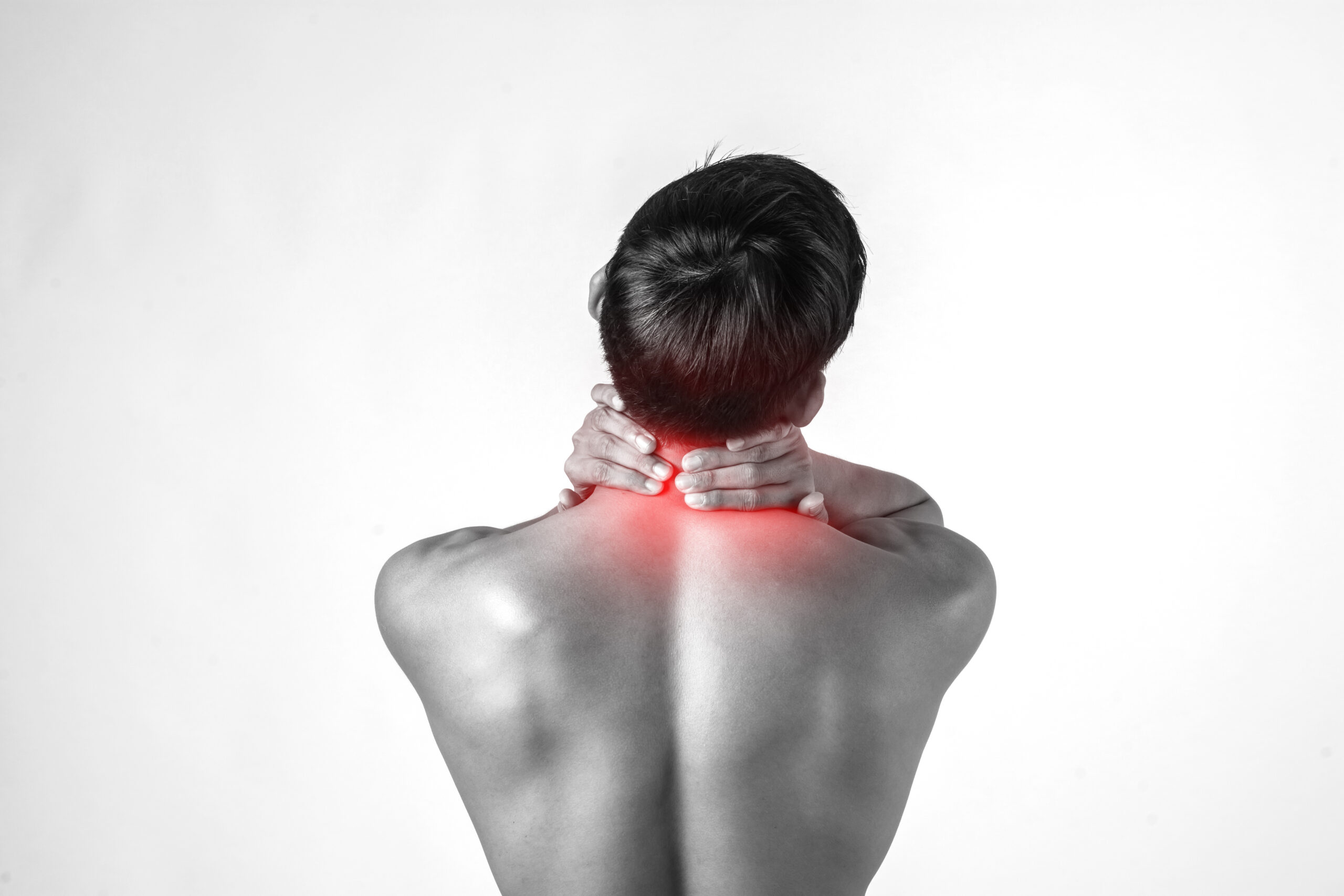
Cervical pain, commonly known as neck pain, affects millions of people globally. Whether due to poor posture, injury, or age-related wear and tear, cervical pain can significantly disrupt daily activities. This blog explores cervical pain symptoms, its common causes, available treatments, and the importance of proper diagnosis through medical tests.
Symptoms of Cervical Pain
Neck pain or cervical pain can manifest in various ways. Some of the most common symptoms include:
- Neck Discomfort: Persistent aching or sharp pain in the neck.
- Stiffness: Difficulty moving the neck due to tightness.
- Limited Range of Motion: Trouble turning or tilting the head.
- Headaches: Pain starting from the neck radiating to the back or front of the head.
- Tingling or Numbness: Particularly in the arms or hands, suggesting nerve involvement.
- Arm Weakness: Indicating nerve compression in the cervical spine.
If you experience any of the above symptoms for more than a few days, it’s essential to consult a doctor.
Common Causes of Cervical Pain
Understanding the root cause is key to treatment. Common reasons for cervical or neck pain include:
- Muscle Strain due to poor posture or sudden movement.
- Herniated Disc that may press on nearby nerves.
- Osteoarthritis due to spinal degeneration.
- Injuries like whiplash or sports trauma.
- Poor Posture from screen time or improper seating.
- Medical Conditions like fibromyalgia or arthritis.
- Nerve Compression due to spinal stenosis.
- Infections or Tumours (rare but serious causes).
Cervical Pain Treatment Options
Treatment varies based on the cause and severity. Options include:
1. Rest & Self-Care
- Apply ice or heat.
- Avoid strain or incorrect posture.
2. Physical Therapy
- Guided stretching and strengthening.
- Manual therapy to relieve tension.
3. Medications
- Painkillers, anti-inflammatories, or muscle relaxants.
4. Ergonomic Adjustments
- Use ergonomic chairs or standing desks.
5. Injections
- Corticosteroid injections for severe inflammation.
6. Acupuncture
- A natural remedy for managing chronic pain.
7. Surgery
- Reserved for severe disc issues or nerve compression.
8. Lifestyle Changes
- Regular exercise, healthy diet, and reduced screen time.
Medical Tests for Cervical Pain Diagnosis
Proper tests are essential to pinpoint the exact cause of cervical pain. Recommended diagnostic tools include:
- Physical Examination & Medical History
- X-rays for bone structure analysis.
- MRI or CT Scan for soft tissues and nerves.
- EMG (Electromyography) and Nerve Conduction Studies
- Blood Tests to detect infections or inflammation.
- Ultrasound for soft tissue injuries.
- Bone Density Scan (DEXA) in cases of osteoporosis.
- Discography for identifying disc-specific pain.
🔬 Mendzone offers comprehensive at-home cervical pain tests through NABL-accredited labs like Oncquest. Book your test today for a quick and hassle-free diagnosis.
🔍 Why Choose Mendzone for Cervical Pain Tests?
Mendzone is India’s trusted digital health platform for lab test booking. Here’s why thousands choose us:
✅ Book All Lab Tests in One Place
✅ NABL-Accredited & Trusted Labs like Oncquest
✅ Home Sample Collection Available
✅ Compare Prices Across Labs in One Click
✅ 24/7 Access – Book Anytime, Anywhere
✅ Digital Reports with Expert Review
✅ Special Discounts & Offers for New Users
✅ Zero Booking Charges
✅ Wide Coverage – Available Across India
Whether you need a cervical spine MRI, nerve conduction test, or routine blood test, Mendzone helps you schedule it in seconds.
📌 Conclusion
Cervical pain is more than just an inconvenience—it can affect your posture, productivity, and overall health. Recognizing the symptoms early, understanding the causes, and seeking timely diagnosis and treatment is vital. Use Mendzone to book accurate, affordable, and convenient tests for cervical pain from the comfort of your home.
🙋♀️ Frequently Asked Questions (FAQs)
Q1: What are the main reasons for cervical pain?
A1: Common causes include muscle strain, herniated discs, osteoarthritis, injuries, poor posture, and nerve compression.
Q2: What does cervical pain feel like?
A2: It can feel like a dull ache, stiffness, or sharp shooting pain that may radiate to the shoulders, arms, or head. Numbness or tingling may also occur.
Q3: Is cervical pain serious?
A3: It can range from mild to serious depending on the cause. Nerve compression, injuries, or chronic degenerative conditions should be evaluated by a doctor promptly.
Mendzone , your premier wellness partner, offers a wide range of medical, health, diagnostic, laboratory tests, and checkup packages from reputable, certified diagnostic labs across the country.Book online Book medical tests or health checkup packages online at Mend Zone with competitive prices and special offers.Mendzone’s – online platform allows customers to compare and select the best-rated health checkup packages from leading laboratories nationwide. Discover discounted health checkup plans tailored for various needs, including youth, women, senior citizens, newborns, employees, pre-employment, and couples. |
DISCLAIMER: THIS WEBSITE DOES NOT PROVIDE MEDICAL ADVICE
The information, including but not limited to, text, graphics, images and other material contained on this website are for informational purposes only. No material on this site is intended to be a substitute for professional medical advice, diagnosis or treatment. Always seek the advice of your physician or other qualified health care provider with any questions you may have regarding a medical condition or treatment and before undertaking a new health care regimen, and never disregard professional medical advice or delay in seeking it because of something you have read on this website.