
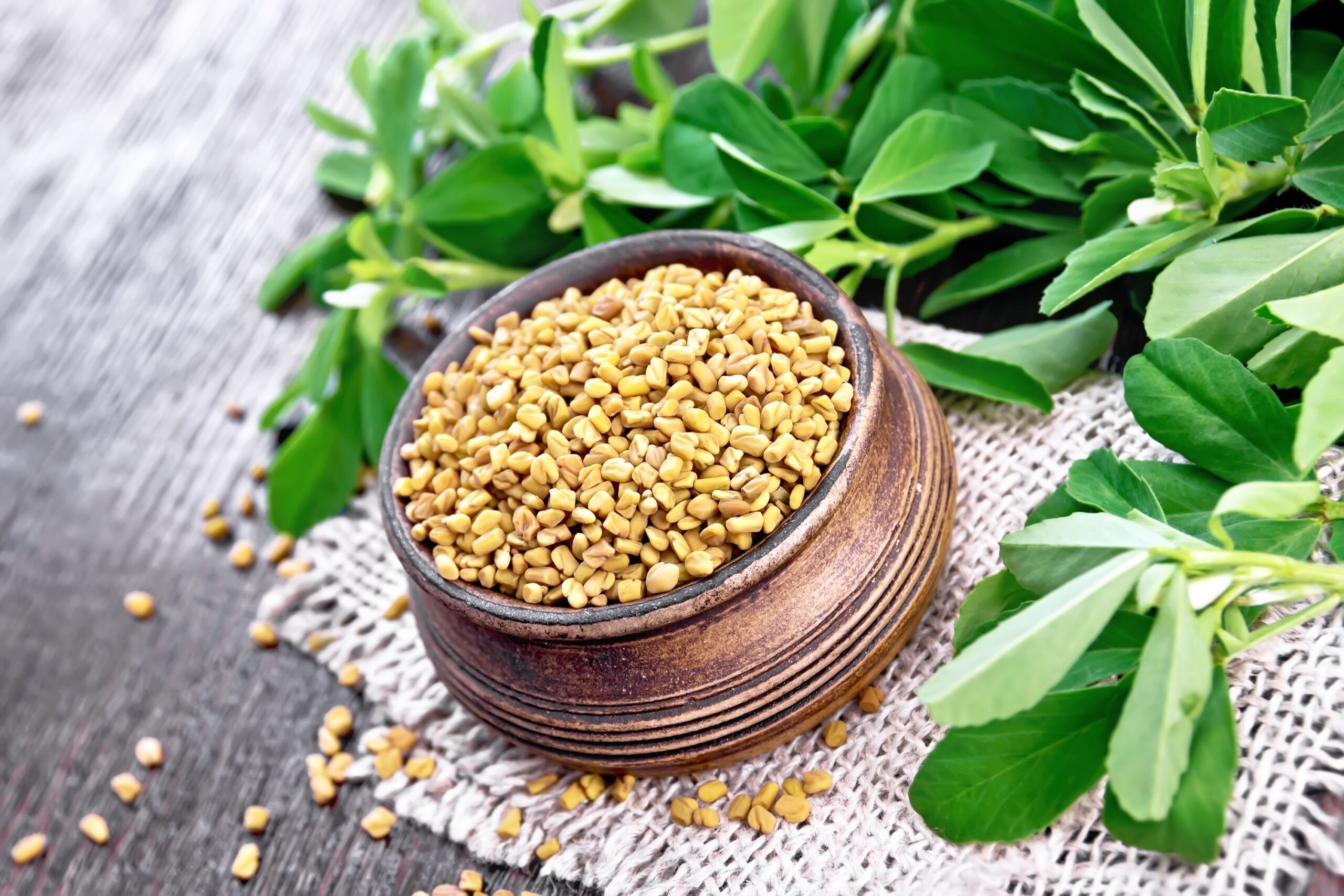
Fenugreek (Trigonella foenum-graecum) is an ancient herb with a rich history in traditional medicine and culinary use. It is native to the Mediterranean region, Southern Europe, and Western Asia, but has gained worldwide recognition due to its powerful medicinal properties. From its seeds to its leaves, every part of the fenugreek plant offers numerous health benefits.
In this article, we’ll explore the purpose, health benefits, and frequently asked questions (FAQs) surrounding fenugreek, making it easier for you to understand why this plant is such a popular choice for promoting overall health.
Purpose of Fenugreek
Fenugreek has been used for centuries for a variety of purposes, ranging from culinary to medicinal. Today, its use extends to modern health supplements, thanks to the numerous studies validating its health benefits. Here’s an overview of the main purposes of fenugreek:
1. Culinary Uses
Fenugreek seeds and leaves are commonly used in many cuisines, particularly in Indian, Middle Eastern, and Mediterranean dishes. The seeds are often roasted and ground into a spice, while the leaves can be used fresh or dried in stews, curries, and salads. The seeds have a slightly bitter taste, which adds depth to recipes, while the leaves offer a milder, slightly sweet flavor.
2. Digestive Health
One of the key traditional uses of fenugreek is to aid digestion. It is used to treat common gastrointestinal issues such as bloating, gas, and indigestion. Fenugreek contains soluble fiber, which helps improve digestion and regular bowel movements.
3. Blood Sugar Regulation
Fenugreek has gained prominence for its ability to regulate blood sugar levels. It is often used as a natural supplement for people with diabetes or those looking to prevent high blood sugar spikes. Fenugreek seeds contain a compound called 4-hydroxyisoleucine, which is believed to improve insulin sensitivity and slow the absorption of sugar.
4. Milk Production for Lactating Mothers
Fenugreek is a well-known natural remedy to boost milk production in breastfeeding women. It is considered a galactagogue, a substance that promotes lactation. Many nursing mothers take fenugreek supplements to increase their milk supply.
5. Inflammation Reduction
The anti-inflammatory properties of fenugreek are beneficial in reducing pain and swelling caused by arthritis, muscle pain, and other inflammatory conditions. It can also be used topically to treat skin irritations and wounds.
6. Hormonal Balance
Fenugreek is used to balance hormones in women, particularly to alleviate symptoms of menopause. It contains compounds similar to estrogen, which can help reduce hot flashes, mood swings, and other symptoms related to hormone imbalances.
7. Weight Loss
Fenugreek is often used as a supplement in weight management due to its fiber content, which helps curb appetite by promoting a feeling of fullness. It supports healthy metabolism and can help people reduce calorie intake.
8. Heart Health
Fenugreek’s ability to lower LDL (bad) cholesterol and triglycerides makes it a valuable herb for heart health. It also helps regulate blood pressure, reducing the risk of heart disease.
Health Benefits of Fenugreek
Fenugreek’s diverse range of health benefits is backed by both traditional use and modern scientific research. Whether used as a supplement or consumed in daily meals, fenugreek provides a host of benefits that can improve your overall health. Below are some of the most notable health benefits of fenugreek:
1. Regulates Blood Sugar Levels
One of the most significant health benefits of fenugreek is its ability to regulate blood sugar levels. Fenugreek seeds contain soluble fiber, which slows down the absorption of carbohydrates and sugars in the intestines. Studies have shown that taking fenugreek supplements can improve insulin sensitivity and lower fasting blood glucose levels. This makes fenugreek particularly useful for people with type 2 diabetes or those at risk of developing the condition.
2. Supports Digestive Health
Fenugreek is excellent for promoting digestive health. The high fiber content in fenugreek seeds helps prevent constipation and promotes regular bowel movements. It is also known to soothe symptoms of indigestion and heartburn. Traditional medicine often uses fenugreek to treat gastrointestinal issues like diarrhea and ulcers.
3. Boosts Milk Production in Lactating Mothers
Fenugreek is commonly used to stimulate breast milk production in nursing mothers. Research suggests that fenugreek can significantly increase milk supply in women within just a few days of consumption. This makes it an effective natural remedy for breastfeeding mothers struggling with low milk supply.
4. Anti-Inflammatory Effects
Fenugreek contains antioxidants and anti-inflammatory compounds that can reduce inflammation in the body. This is particularly helpful for people suffering from arthritis or other inflammatory conditions. It can also be applied topically to treat skin inflammation, boils, and eczema.
5. Promotes Weight Loss
Fenugreek can support weight loss by suppressing appetite and increasing feelings of fullness. The soluble fiber in fenugreek expands in the stomach, which can help reduce overall calorie intake. Some studies have also shown that fenugreek helps with fat metabolism, making it a useful addition to a weight loss regimen.
6. Lowers Cholesterol
Fenugreek has been shown to lower levels of LDL (bad) cholesterol and triglycerides, while also raising HDL (good) cholesterol. This helps reduce the risk of cardiovascular diseases such as heart attack and stroke. Fenugreek’s cholesterol-lowering properties are linked to its saponin content, which helps reduce the absorption of cholesterol in the intestines.
7. Improves Heart Health
In addition to lowering cholesterol, fenugreek helps regulate blood pressure and improves overall heart health. The fiber and antioxidant content help protect against oxidative stress, which can damage the heart and arteries. By reducing inflammation, fenugreek also lowers the risk of developing atherosclerosis, a condition where plaque builds up in the arteries.
8. Balances Hormones in Women
Fenugreek has been used to balance hormones in women, particularly to alleviate symptoms associated with menopause and menstruation. It is rich in phytoestrogens, which mimic the hormone estrogen in the body. This can help reduce symptoms like hot flashes, mood swings, and fatigue. Some studies have also suggested that fenugreek can improve libido and sexual function in women.
9. Enhances Libido in Men
Fenugreek is not only beneficial for women’s hormone health but also supports men’s health by increasing testosterone levels. Research has shown that fenugreek supplements can boost libido, sexual performance, and overall energy levels in men. It is a popular natural remedy for improving sexual function and reproductive health.
10. Supports Skin and Hair Health
Fenugreek seeds are rich in vitamins and minerals, including vitamin C, vitamin A, and iron, which promote healthy skin and hair. It is often used in hair masks and skincare products to reduce acne, dandruff, and hair fall. Regular consumption of fenugreek can improve the health of the skin by reducing inflammation and promoting collagen production.
FAQs About Fenugreek
1. How do I consume fenugreek?
Fenugreek can be consumed in several forms, including:
- Seeds: Roasted or soaked in water.
- Powder: Used in cooking or as a supplement.
- Tea: Made by boiling fenugreek seeds in water.
- Capsules: Available as supplements.
- Leaves: Used fresh or dried in cooking.
2. Can fenugreek help with weight loss?
Yes, fenugreek contains soluble fiber, which can help suppress appetite and promote a feeling of fullness, aiding in weight management. It also helps with fat metabolism, making it a valuable addition to a weight loss regimen.
3. Is fenugreek safe for breastfeeding mothers?
Yes, fenugreek is often recommended for breastfeeding mothers to increase milk production. However, it’s important to consult a healthcare provider before starting fenugreek supplements, especially during pregnancy or while nursing.
4. Can fenugreek help regulate blood sugar?
Yes, fenugreek seeds contain soluble fiber, which helps slow down the absorption of sugars and improve insulin sensitivity, making it beneficial for people with diabetes or those looking to regulate blood sugar levels.
5. Are there any side effects of fenugreek?
While fenugreek is generally safe for most people, some may experience mild side effects such as diarrhea, bloating, or gas when taken in high doses. Pregnant women and people with allergies to legumes should consult a doctor before using fenugreek.
6. Can fenugreek improve hair and skin health?
Yes, fenugreek is rich in vitamins and antioxidants that promote healthy skin and hair. It is often used in hair masks and skincare routines to reduce acne, prevent hair fall, and treat dandruff.
7. How long does it take for fenugreek to show results?
The time frame for seeing results varies depending on the condition being treated and the individual. For instance, breastfeeding mothers may see an increase in milk supply within a few days, while other benefits like improved digestion or regulated blood sugar levels may take several weeks of consistent use.
Key Features of mend.zone
- Compare Diagnostic Packages: Easily compare health checkup packages from various labs to find the best fit for your needs.
- 24/7 Online Access: Book tests and appointments anytime, day or night, for convenience and flexibility.
- Extensive Range of Tests and Packages: Access a variety of health checkups and blood tests, including those specifically tailored for women’s health.
- Home Sample Collection: Enjoy hassle-free sample collection from the comfort of your home.
- AI-Enabled Technology: Get personalized health recommendations based on your individual data and needs.
- Online Booking: Book your tests seamlessly online or through our mobile app.
- Rewards and Discounts: Benefit from exclusive offers and referral bonuses.
- NABL-Accredited Labs: We partner with top-rated labs for accurate and reliable results.
- Expert Guidance: Our team of experts is available to answer your questions and guide you through the testing process.
Conclusion
Fenugreek is a versatile herb with a wide array of health benefits, from aiding digestion to regulating blood sugar, balancing hormones, and promoting heart health. Whether you’re consuming fenugreek in its raw form, as a tea, or in supplement capsules, incorporating this ancient herb into your daily routine can significantly improve your overall well-being. However, like any supplement or herbal remedy, it’s essential to consult with a healthcare provider before starting fenugreek, especially if you have any existing medical conditions or are pregnant.
mend.zone (Mend Zone), your premier wellness partner, offers a wide range of medical, health, diagnostic, laboratory tests, and checkup packages from reputable, certified diagnostic labs across the country.Book online Book medical tests or health checkup packages online at Mend Zone with competitive prices and special offers.mend.zone – Mend Zone’s online platform allows customers to compare and select the best-rated health checkup packages from leading laboratories nationwide. Discover discounted health checkup plans tailored for various needs, including youth, women, senior citizens, newborns, employees, pre-employment, and couples. |
DISCLAIMER: THIS WEBSITE DOES NOT PROVIDE MEDICAL ADVICE
The information, including but not limited to, text, graphics, images and other material contained on this website are for informational purposes only. No material on this site is intended to be a substitute for professional medical advice, diagnosis or treatment. Always seek the advice of your physician or other qualified health care provider with any questions you may have regarding a medical condition or treatment and before undertaking a new health care regimen, and never disregard professional medical advice or delay in seeking it because of something you have read on this website.