
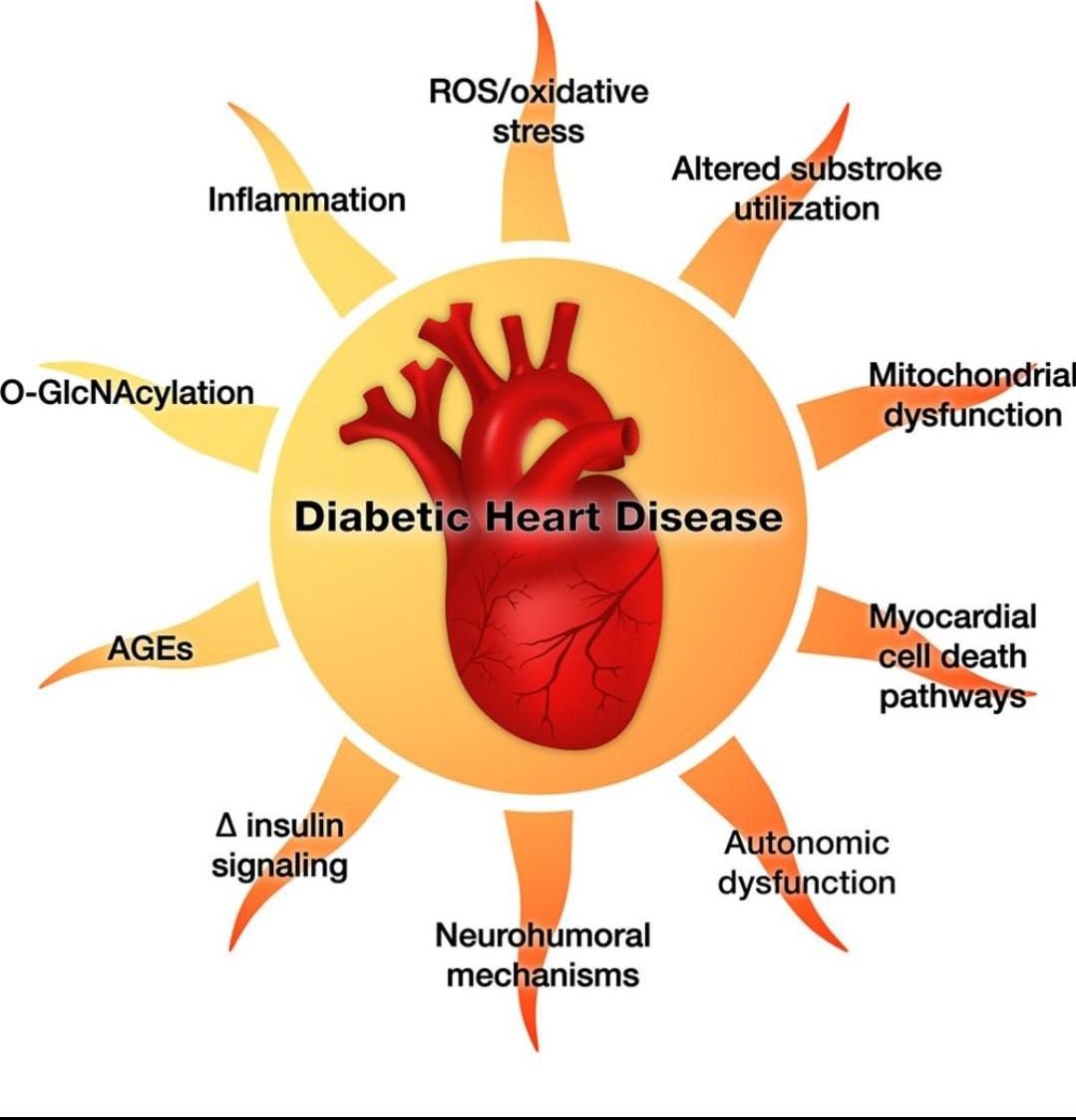
Diabetes is a chronic condition that influences not only blood sugar levels but also the overall functioning of the cardiovascular system. The intricate link between diabetes and heart health is vital to understand as both Type 1 and Type 2 diabetes significantly increase the risk of heart-related complications. Managing diabetes effectively is crucial to preventing cardiovascular diseases and maintaining overall health.
Understanding the Impact of Diabetes on the Heart
1. Blood Flow and Atherosclerosis
One of the primary ways diabetes affects the heart is by impairing blood flow. High blood sugar levels damage the inner lining of blood vessels, leading to inflammation. This makes it easier for fat and cholesterol to accumulate on arterial walls, causing plaque formation. Over time, this condition, known as atherosclerosis, thickens and narrows arteries, limiting blood flow to the heart.
- Complications:
- Restricted blood flow can result in angina (chest pain).
- Severe cases may lead to a heart attack if blood clots block the coronary arteries.
2. Coronary Artery Disease (CAD)
Diabetes is a major risk factor for coronary artery disease, a condition where arteries that supply blood to the heart become narrowed or blocked.
- Risks for Diabetics:
- People with diabetes are two to four times more likely to develop CAD.
- Blocked arteries can lead to heart attacks or reduced oxygen supply to the heart muscle, affecting its function.
3. High Blood Pressure (Hypertension)
Many individuals with diabetes also suffer from high blood pressure, which places additional strain on the heart. Elevated blood pressure combined with the vascular damage caused by diabetes increases the likelihood of heart attacks, strokes, and other cardiovascular events.
4. Diabetic Cardiomyopathy
This condition refers to structural and functional changes in the heart muscle due to diabetes. Elevated blood sugar levels can lead to:
- Stiffening of the heart muscles, reducing the heart’s ability to pump blood efficiently.
- Increased risk of heart failure over time.
5. Risk of Heart Failure
Heart failure occurs when the heart cannot pump enough blood to meet the body’s needs. People with diabetes are at a higher risk due to:
- Damage to the heart muscle.
- Complications like high blood pressure, atherosclerosis, and CAD.
How Diabetes Contributes to Heart Disease
1. Chronic Inflammation
Persistent high blood sugar causes inflammation in blood vessels, damaging their walls and leading to the development of plaque.
2. Increased Blood Clot Formation
Diabetes makes platelets stickier, increasing the risk of clot formation. These clots can block arteries, leading to heart attacks or strokes.
3. Dyslipidemia
Diabetes often results in abnormal cholesterol levels, such as:
- High levels of LDL (bad cholesterol).
- Low levels of HDL (good cholesterol).
- Elevated triglycerides.
These factors contribute to plaque buildup in arteries.
Symptoms to Watch For
Heart-related complications due to diabetes may manifest as:
- Chest pain or discomfort.
- Shortness of breath.
- Fatigue or weakness.
- Swelling in the legs, ankles, or feet.
- Rapid or irregular heartbeat.
Preventing Heart Disease in People with Diabetes
Managing diabetes effectively is key to reducing the risk of heart-related complications. Here’s how:
1. Control Blood Sugar Levels
Maintaining blood sugar levels within the recommended range is essential. Regular monitoring helps identify trends and prevents complications.
2. Manage Blood Pressure and Cholesterol
Keeping blood pressure and cholesterol under control minimizes the risk of arterial damage and atherosclerosis.
3. Adopt a Heart-Healthy Diet
- Focus on fruits, vegetables, whole grains, lean proteins, and healthy fats.
- Limit saturated fats, trans fats, salt, and sugar.
- Include omega-3-rich foods like fish to improve heart health.
4. Exercise Regularly
Engage in at least 150 minutes of moderate-intensity exercise weekly, such as brisk walking, cycling, or swimming. Physical activity helps:
- Improve insulin sensitivity.
- Lower blood pressure and cholesterol.
- Enhance cardiovascular function.
5. Maintain a Healthy Weight
Weight management reduces the strain on the heart and improves blood sugar control.
6. Avoid Smoking and Limit Alcohol
- Smoking damages blood vessels and accelerates atherosclerosis.
- Alcohol should be consumed in moderation as it can affect blood sugar and heart health.
7. Manage Stress
Chronic stress can elevate blood sugar levels and increase heart disease risk. Practice stress management techniques like meditation, yoga, or deep breathing exercises.
Medical Management and Monitoring
1. Regular Checkups
Routine doctor visits and blood tests are crucial for monitoring diabetes and associated heart health. Tests include:
- Blood sugar levels (HbA1c).
- Lipid profile for cholesterol levels.
- Blood pressure measurements.
2. Medications
Doctors may prescribe medications to:
- Control blood sugar (insulin or oral medications).
- Lower blood pressure.
- Manage cholesterol levels.
3. Advanced Therapies
In cases of severe complications, treatments like angioplasty, stent placement, or bypass surgery may be required to restore blood flow to the heart.
Living Well with Diabetes and a Healthy Heart
While diabetes increases the risk of heart disease, adopting a proactive approach can help manage both conditions effectively. Focus on:
- Building a support system of healthcare providers, family, and friends.
- Staying informed about the latest research and treatments for diabetes and heart health.
- Using technology like health apps or glucose monitors for better management.
Top FAQs About Diabetes and Heart Health
- Can diabetes cause heart disease even if my blood sugar is controlled?
Yes, other factors like high blood pressure, cholesterol, and lifestyle habits also contribute to heart disease risk. - What is the best way to lower my risk of heart disease if I have diabetes?
Maintain blood sugar, blood pressure, and cholesterol levels within the recommended range. Exercise regularly, eat a balanced diet, and avoid smoking. - Are heart disease symptoms different for people with diabetes?
Symptoms may be subtle or atypical in diabetics. For example, a heart attack might present as fatigue or indigestion rather than chest pain. - How often should I get my heart health checked if I have diabetes?
Regular checkups every 6–12 months are advisable, or more frequently if you have additional risk factors. - Can weight loss help reduce my risk of heart disease?
Yes, losing even 5–10% of your body weight can significantly lower heart disease risk.
Key Features of Mendzone
Mendzone, an Online Health Checkup & Diagnostic Services platform, is dedicated to empowering individuals to take charge of their health. By offering comprehensive tools and resources, Mendzone ensures you stay informed about your well-being.
Key Features of Mendzone
1. Extensive Range of Tests and Packages
Monitor your overall health with comprehensive diagnostic tests tailored to your needs, such as metabolic and nutritional panels.
2. Compare Diagnostic Packages
Evaluate health checkups from trusted labs based on price, reputation, and included services.
3. AI-Enabled Technology
Receive personalized health insights and recommendations to enhance your cardio routine and fitness plan.
4. Online Booking and Home Sample Collection
Book diagnostic tests online and enjoy the convenience of home sample collection.
5. Expert Guidance
Access fitness trainers and nutritionists for personalized advice to optimize fat loss and performance.
6. 24/7 Online Access
View test reports, book appointments, and consult experts anytime via Mendzone’s user-friendly platform.
7. Largest Coverage Across India
With a wide network of NABL-accredited labs, Mendzone ensures reliable diagnostics nationwide.
8. Rewards and Discounts
Save on health checkups and wellness packages with exclusive offers.
9. NABL-Accredited Labs
All tests are conducted in certified labs, ensuring accuracy and reliability.
10. Regular Updates and Insights
Stay informed about the latest fitness and wellness trends with Mendzone’s expert-curated content.
11. Comprehensive Reports
Get detailed insights into your health, including metabolic rates and fat-burning efficiency.
12.Home Sample Collection
A trained professional collects samples at your convenience, eliminating the hassle of lab visits.
Conclusion
Diabetes and heart health are intricately connected. By understanding how diabetes impacts the cardiovascular system and adopting proactive measures, you can significantly reduce your risk of heart-related complications. Mendzone is here to support you on your journey to better health with reliable diagnostic services and tailored health packages. Let’s take control of diabetes and heart health for a happier, healthier life.
Mendzone , your premier wellness partner, offers a wide range of medical, health, diagnostic, laboratory tests, and checkup packages from reputable, certified diagnostic labs across the country.Book online Book medical tests or health checkup packages online at Mend Zone with competitive prices and special offers.Mendzone’s – online platform allows customers to compare and select the best-rated health checkup packages from leading laboratories nationwide. Discover discounted health checkup plans tailored for various needs, including youth, women, senior citizens, newborns, employees, pre-employment, and couples. |
DISCLAIMER: THIS WEBSITE DOES NOT PROVIDE MEDICAL ADVICE
The information, including but not limited to, text, graphics, images and other material contained on this website are for informational purposes only. No material on this site is intended to be a substitute for professional medical advice, diagnosis or treatment. Always seek the advice of your physician or other qualified health care provider with any questions you may have regarding a medical condition or treatment and before undertaking a new health care regimen, and never disregard professional medical advice or delay in seeking it because of something you have read on this website.