
Uric acid is a natural waste product produced in the body when it breaks down purines, compounds found in certain foods and drinks. While uric acid is normally filtered out by the kidneys and excreted through urine, excess levels can build up in the bloodstream, leading to a condition called hyperuricemia. This can lead to painful conditions like gout, kidney stones, and even more severe health problems. However, by understanding the causes, symptoms, and effective management strategies, you can take control of your uric acid levels and protect your health. This comprehensive guide will delve into various ways you can manage your uric acid levels, providing practical tips and answering frequently asked questions.
Understanding Uric Acid
Uric acid is a naturally occurring waste product produced when your body breaks down purines. Purines are found in various foods and drinks, including organ meats, red meat, shellfish, certain fish, beer, and sugary beverages. Usually, uric acid dissolves in your blood and is excreted by your kidneys through urine. However, when uric acid production exceeds excretion, or if your kidneys cannot efficiently remove it, it can accumulate in your blood, leading to hyperuricemia.
Causes of High Uric Acid Levels
Several factors can contribute to high uric acid levels:
- Diet: A diet high in purines, such as organ meats, red meat, shellfish, and certain fish, can significantly increase uric acid levels.
- Alcohol Consumption: Alcohol, particularly beer and liquor, can interfere with uric acid excretion and lead to its buildup in the blood.
- Medical Conditions: Certain medical conditions, such as kidney disease, gout, diabetes, and obesity, can impair uric acid excretion or increase its production.
- Medications: Some medications, like diuretics and low-dose aspirin, can also contribute to elevated uric acid levels.
- Genetics: In some cases, a genetic predisposition can make individuals more prone to hyperuricemia.
Symptoms and Complications
High uric acid levels often don’t cause any symptoms initially. However, over time, it can lead to:
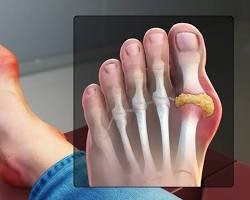
- Gout: This is the most common complication of hyperuricemia. It’s a type of inflammatory arthritis that causes sudden and severe pain, swelling, and redness in the joints, often affecting the big toe.
- Kidney Stones: Uric acid can form crystals in the kidneys, leading to painful kidney stones.
- Kidney Disease: Chronic hyperuricemia can damage the kidneys and lead to chronic kidney disease.
- Cardiovascular Disease: Some studies have suggested a link between high uric acid levels and an increased risk of cardiovascular disease.
Ways to Manage Your Uric Acid
Fortunately, there are several effective strategies to manage uric acid levels and prevent complications:
-
Dietary Modifications:
- Limit Purine-Rich Foods: Reduce or avoid foods high in purines, such as organ meats (liver, kidney), red meat, shellfish, certain fish (anchovies, sardines), and gravy.
- Choose Low-Purine Foods: Opt for low-purine options like fruits, vegetables, whole grains, low-fat dairy products, eggs, and nuts.
- Hydration: Drink plenty of water throughout the day to help flush out uric acid from your body.
-
Lifestyle Changes:
- Maintain a Healthy Weight: Losing weight if you are overweight or obese can significantly reduce uric acid levels and decrease the risk of gout.
- Limit Alcohol: Avoid alcohol, especially beer and liquor, as they can interfere with uric acid excretion.
- Exercise Regularly: Engage in regular physical activity to promote overall health and maintain a healthy weight.
- Manage Underlying Conditions: If you have any medical conditions like diabetes or kidney disease, work with your doctor to manage them effectively, as this can help control uric acid levels.
-
Medications:
- Uric Acid-Lowering Medications: If lifestyle changes are not sufficient, your doctor may prescribe medications like allopurinol or febuxostat to reduce uric acid production.
- Anti-Inflammatory Drugs: Nonsteroidal anti-inflammatory drugs (NSAIDs) or colchicine may be prescribed to manage gout attacks and reduce pain and inflammation.
Natural Remedies:
- Cherry Consumption: Cherries and cherry juice are believed to have anti-inflammatory properties and may help lower uric acid levels.
- Vitamin C: Some studies suggest that vitamin C may help reduce uric acid levels. However, more research is needed to confirm its effectiveness.
- Coffee: Moderate coffee consumption has been associated with lower uric acid levels.
- Dairy Products: Low-fat dairy products may help reduce uric acid levels and the risk of gout.
Frequently Asked Questions (FAQs):
- What are the normal uric acid levels? Normal uric acid levels typically range from 3.4 to 7.0 milligrams per deciliter (mg/dL) in men and 2.4 to 6.0 mg/dL in women.
- How often should I get my uric acid levels checked? The frequency of testing depends on your individual risk factors and medical history. Your doctor will recommend the appropriate schedule for you.
- Is gout the only complication of high uric acid? No, high uric acid can also lead to kidney stones, kidney disease, and potentially cardiovascular problems.
- Can I prevent gout attacks? Yes, by managing your uric acid levels through dietary changes, lifestyle modifications, and medications (if prescribed), you can significantly reduce your risk of gout attacks.
- Are there any foods I should avoid to lower my uric acid? Yes, limit your intake of purine-rich foods like organ meats, red meat, shellfish, certain fish, and sugary drinks.
- Can I drink alcohol if I have high uric acid? It’s best to avoid or limit alcohol consumption, especially beer and liquor, as they can worsen hyperuricemia.
Conclusion
By making informed choices about your diet, lifestyle, and seeking appropriate medical care, you can effectively manage your uric acid levels and reduce the risk of complications like gout, kidney stones, and other health problems. Remember, a proactive approach to your health is key to preventing long-term complications and enjoying a healthy and active life. If you have any concerns about your uric acid levels, consult your doctor for personalized advice and treatment.
mend.zone (Mend Zone), your premier wellness partner, offers a wide range of medical, health, diagnostic, laboratory tests, and checkup packages from reputable, certified diagnostic labs across the country.Book online Book medical tests or health checkup packages online at Mend Zone with competitive prices and special offers.mend.zone – Mend Zone’s online platform allows customers to compare and select the best-rated health checkup packages from leading laboratories nationwide. Discover discounted health checkup plans tailored for various needs, including youth, women, senior citizens, newborns, employees, pre-employment, and couples. |
DISCLAIMER: THIS WEBSITE DOES NOT PROVIDE MEDICAL ADVICE
The information, including but not limited to, text, graphics, images and other material contained on this website are for informational purposes only. No material on this site is intended to be a substitute for professional medical advice, diagnosis or treatment. Always seek the advice of your physician or other qualified health care provider with any questions you may have regarding a medical condition or treatment and before undertaking a new health care regimen, and never disregard professional medical advice or delay in seeking it because of something you have read on this website.