
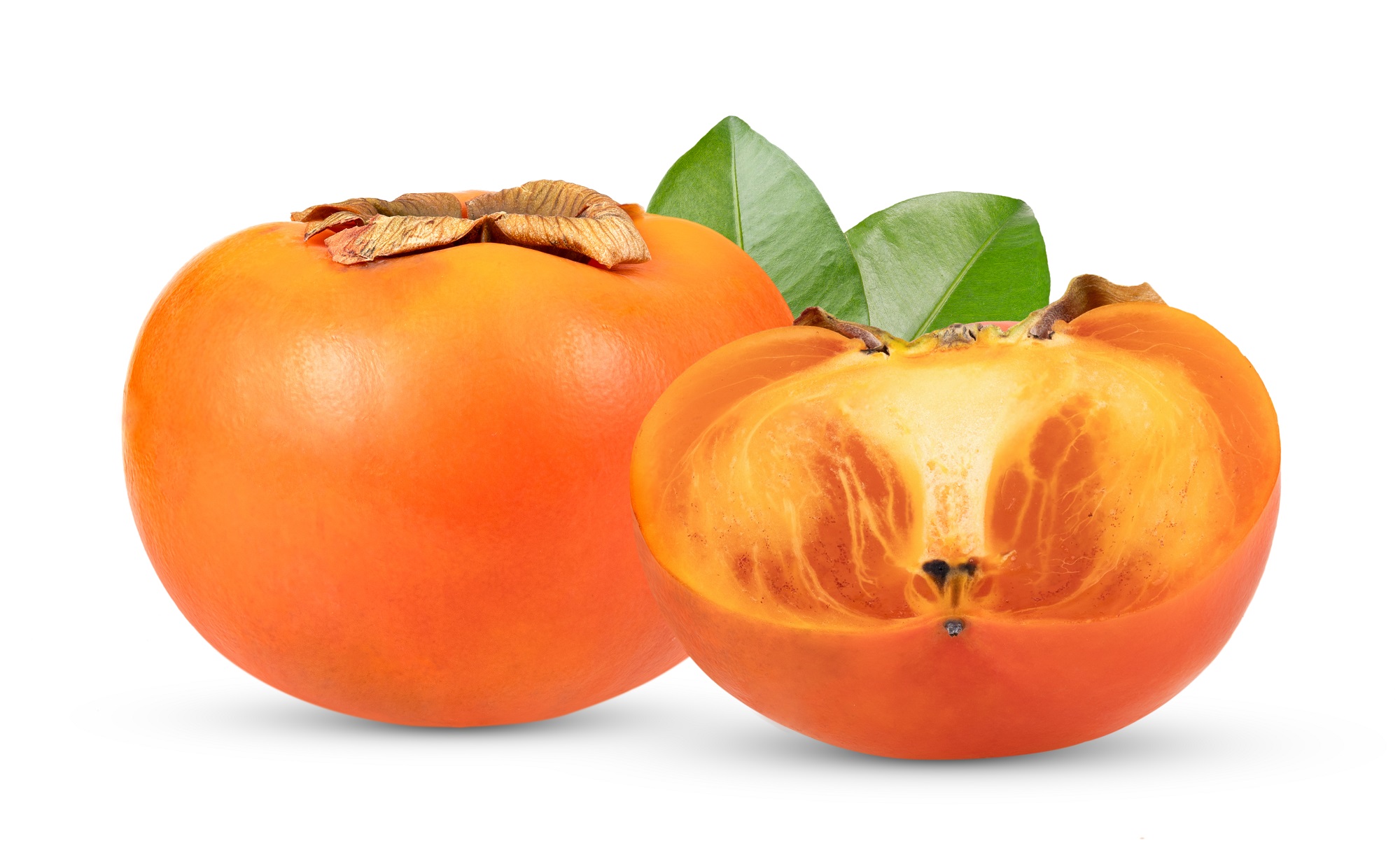
Persimmons are a vibrant, delicious fruit that not only pleases the palate but also offers a wealth of health benefits. This fruit, often orange or reddish-brown in color, is known for its sweet, honey-like flavor and smooth, slightly firm texture. In this comprehensive guide, we will delve into the health benefits, nutrition facts, potential side effects, uses, and frequently asked questions about persimmons.
Health Benefits of Persimmons
1. Rich in Antioxidants
Persimmons are packed with powerful antioxidants, including vitamin C, vitamin A, and various phytochemicals like flavonoids and carotenoids. These antioxidants help combat oxidative stress and protect the body against free radicals, reducing the risk of chronic diseases such as heart disease and cancer.
2. Supports Heart Health
The high fiber content in persimmons can help lower cholesterol levels by binding to cholesterol in the digestive system and removing it from the body. Additionally, the antioxidants in persimmons help reduce inflammation and prevent the oxidation of LDL cholesterol, which is a key factor in the development of heart disease.
3. Aids Digestive Health
Persimmons are an excellent source of dietary fiber, which promotes healthy digestion by adding bulk to the stool and facilitating regular bowel movements. This can help prevent constipation and improve overall digestive health.
4. Boosts Immune System
The high levels of vitamin C found in persimmons play a crucial role in boosting the immune system. Vitamin C stimulates the production of white blood cells, which are essential for fighting off infections and illnesses.
5. Promotes Eye Health
Persimmons are rich in vitamin A and other carotenoids such as lutein and zeaxanthin, which are vital for maintaining healthy vision. These compounds protect the eyes from oxidative damage and reduce the risk of age-related macular degeneration and cataracts.
6. Anti-Inflammatory Properties
The antioxidants and polyphenols in persimmons possess strong anti-inflammatory properties. Regular consumption of persimmons can help reduce inflammation in the body, which is linked to various chronic conditions such as arthritis and inflammatory bowel disease.
7. Supports Weight Loss
Persimmons are low in calories but high in fiber, making them an excellent addition to a weight loss diet. The fiber helps you feel full longer, reducing overall calorie intake and aiding in weight management.
Nutrition Facts of Persimmons
Persimmons are not only delicious but also highly nutritious. Here are the nutrition facts for a typical serving (one medium-sized persimmon, approximately 168 grams):
- Calories: 118
- Protein: 1 gram
- Fat: 0.3 grams
- Carbohydrates: 31 grams
- Fiber: 6 grams
- Sugar: 21 grams
- Vitamin A: 55% of the Daily Value (DV)
- Vitamin C: 21% of the DV
- Vitamin E: 6% of the DV
- Vitamin K: 5% of the DV
- Vitamin B6: 8% of the DV
- Manganese: 30% of the DV
- Copper: 9% of the DV
- Potassium: 8% of the DV
- Phosphorus: 4% of the DV
Potential Side Effects of Persimmons
While persimmons offer numerous health benefits, it’s important to be aware of potential side effects, particularly when consumed in large quantities.
1. Allergic Reactions
Some individuals may experience allergic reactions to persimmons, although this is rare. Symptoms of an allergic reaction may include itching, swelling, hives, and difficulty breathing. If you experience any of these symptoms after consuming persimmons, seek medical attention immediately.
2. Intestinal Blockage
Persimmons contain tannins, which can bind to proteins and form a sticky substance called shibuol. In some cases, excessive consumption of persimmons, especially unripe ones, can lead to the formation of a bezoar, a hard mass that can cause an intestinal blockage. To avoid this, it is recommended to eat persimmons in moderation and ensure they are ripe.
3. Blood Sugar Levels
Although persimmons have a relatively low glycemic index, they are still high in natural sugars. People with diabetes or those monitoring their blood sugar levels should consume persimmons in moderation and keep track of their carbohydrate intake.
4. Potassium Levels
Persimmons are a good source of potassium, which is essential for heart and muscle function. However, individuals with kidney disease or those on potassium-restricted diets should be cautious with their intake of persimmons to avoid hyperkalemia (high potassium levels).
Uses of Persimmons
Persimmons can be enjoyed in a variety of ways, both fresh and cooked. Here are some popular uses:
1. Fresh Eating
One of the simplest and most enjoyable ways to eat persimmons is fresh, either as a whole fruit or sliced. Ensure that the persimmon is ripe for the best flavor and texture.
2. Salads
Add slices of fresh persimmon to salads for a sweet and colorful addition. They pair well with leafy greens, nuts, and cheese.
3. Baking
Persimmons can be used in baking to add natural sweetness and moisture to recipes. They are commonly used in bread, muffins, cakes, and cookies.
4. Smoothies
Blend persimmons into smoothies for a nutrient-packed and delicious drink. Combine them with other fruits, yogurt, and a splash of milk or juice.
5. Preserves
Make persimmon jam or preserves to enjoy the fruit’s sweetness year-round. This can be spread on toast, added to yogurt, or used as a topping for desserts.
6. Drying
Dried persimmons make a tasty and convenient snack. They can be eaten on their own or added to trail mix, cereals, and baked goods.
Frequently Asked Questions (FAQs)
1. What are the different types of persimmons?
There are two main types of persimmons: astringent and non-astringent. Astringent persimmons, like the Hachiya variety, are high in tannins and must be fully ripe before eating. Non-astringent persimmons, such as the Fuyu variety, can be eaten while still firm and are sweeter and less tannic.
2. How do you know when a persimmon is ripe?
For astringent persimmons (Hachiya), they are ripe when they are very soft and almost jelly-like. Non-astringent persimmons (Fuyu) are ripe when they are firm and have a slight give when pressed.
3. Can you eat the skin of a persimmon?
Yes, the skin of both astringent and non-astringent persimmons is edible. However, some people prefer to peel the skin, especially if it is tough or if they are sensitive to the tannins.
4. How should persimmons be stored?
Store unripe persimmons at room temperature until they ripen. Once ripe, they can be stored in the refrigerator to extend their shelf life. If you have an abundance of ripe persimmons, consider freezing or drying them for longer storage.
5. Are persimmons safe to eat during pregnancy?
Yes, persimmons are safe to eat during pregnancy and can be a nutritious addition to a balanced diet. They are rich in vitamins, minerals, and fiber, which are beneficial for both the mother and the developing baby. However, it is always advisable to consume them in moderation and consult with a healthcare provider.
6. Can persimmons help with weight loss?
Persimmons can be a helpful addition to a weight loss diet due to their low calorie and high fiber content. The fiber helps you feel full longer, reducing overall calorie intake. However, as with any fruit, it is important to consume them in moderation and as part of a balanced diet.
Conclusion
Persimmons are a delicious and nutritious fruit that offers numerous health benefits. From boosting heart health and supporting digestion to enhancing eye health and providing anti-inflammatory properties, persimmons can be a valuable addition to your diet. However, it is important to be aware of potential side effects and consume them in moderation.
At Mend.zone, we provide a comprehensive range of blood tests and health checkup packages from leading NABL-accredited labs across India. Our services include home sample collection, making it convenient for you to get tested from the comfort of your home. We use AI-enabled technology to compare prices and book blood tests, medical tests, and health checkup packages at the best rates. Enjoy registration rewards, referral bonuses, and discounted rates by booking your test online through our website or mobile app. Take control of your health with Mend.zone, your trusted partner in diagnostic testing and health management.
For more information and to book your test, visit Mend.zone.
mend.zone (Mend Zone), your premier wellness partner, offers a wide range of medical, health, diagnostic, laboratory tests, and checkup packages from reputable, certified diagnostic labs across the country.Book online Book medical tests or health checkup packages online at Mend Zone with competitive prices and special offers.mend.zone – Mend Zone’s online platform allows customers to compare and select the best-rated health checkup packages from leading laboratories nationwide. Discover discounted health checkup plans tailored for various needs, including youth, women, senior citizens, newborns, employees, pre-employment, and couples. |
DISCLAIMER: THIS WEBSITE DOES NOT PROVIDE MEDICAL ADVICE
The information, including but not limited to, text, graphics, images and other material contained on this website are for informational purposes only. No material on this site is intended to be a substitute for professional medical advice, diagnosis or treatment. Always seek the advice of your physician or other qualified health care provider with any questions you may have regarding a medical condition or treatment and before undertaking a new health care regimen, and never disregard professional medical advice or delay in seeking it because of something you have read on this website.