
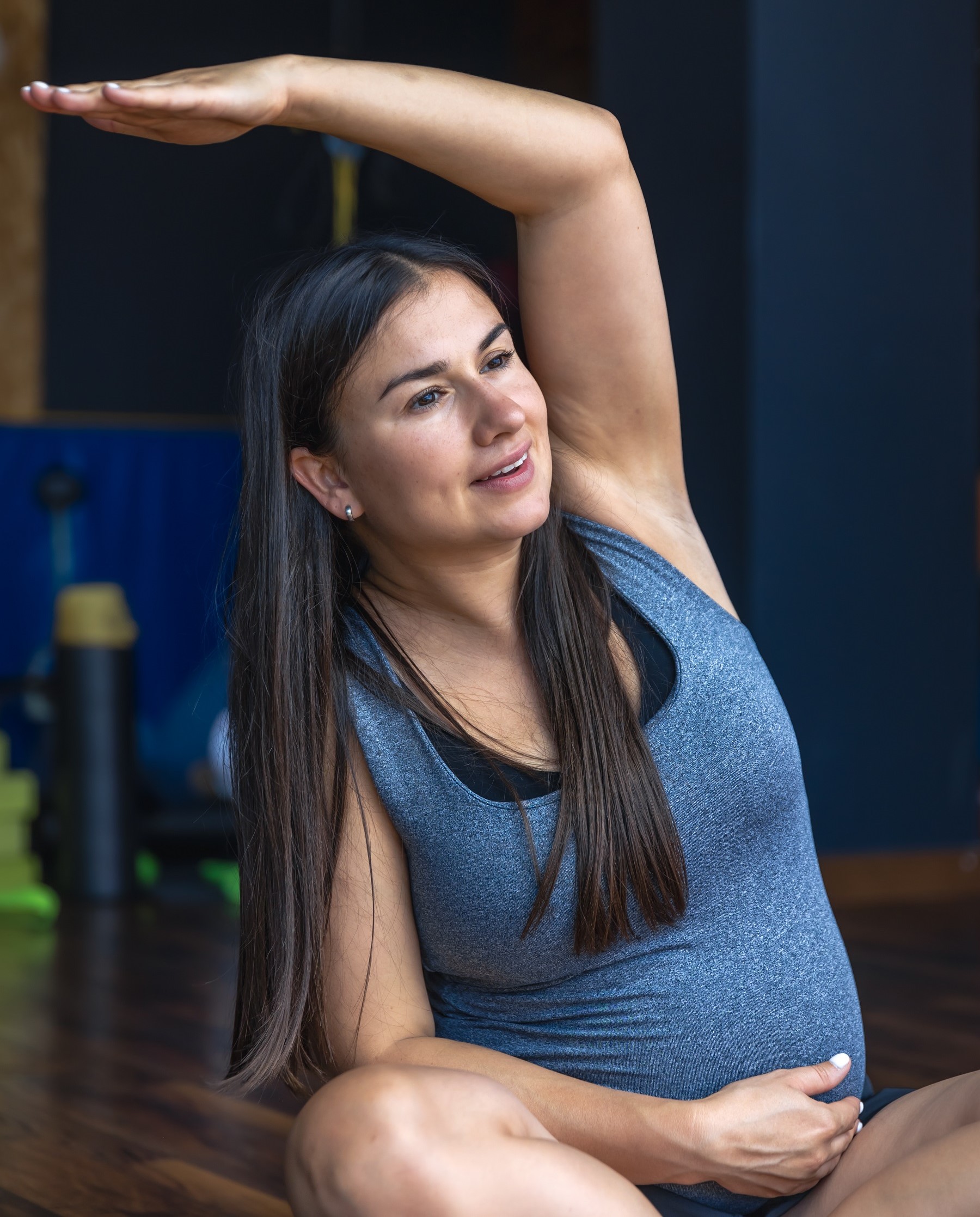
Pregnancy is an exciting and life-changing journey, but it can also bring a variety of physical changes and challenges. During this time, maintaining a healthy and active lifestyle is more important than ever—not only for your well-being but also for the development of your baby. Prenatal fitness routines are specifically designed to support the body’s changing needs during pregnancy, providing a balance of strength, flexibility, and cardiovascular benefits.
In this comprehensive guide, we will explore the best prenatal exercises, how to create a safe fitness routine, and answer some of the most common questions expectant mothers have about staying active during pregnancy.
Why Prenatal Fitness is Important
Exercise during pregnancy offers numerous benefits for both you and your baby. Regular physical activity can help reduce common pregnancy symptoms like back pain, fatigue, and swelling. It also supports healthy weight gain and can improve mood and energy levels, reducing the risk of prenatal depression and anxiety. Additionally, staying active helps prepare the body for labor, making it easier to cope with the physical demands of childbirth.
Here are just a few of the key benefits of a prenatal fitness routine:
- Improved Circulation: Regular movement increases blood flow, helping to reduce swelling and promote nutrient delivery to both mother and baby.
- Enhanced Strength and Endurance: Targeted exercises strengthen key muscle groups used during labor, such as the pelvic floor, back, and core.
- Reduced Risk of Gestational Diabetes: A fitness routine that includes cardiovascular exercise can help regulate blood sugar levels, reducing the risk of gestational diabetes.
- Better Posture: Strengthening muscles that support the spine can reduce the likelihood of back pain and promote good posture during pregnancy.
- Improved Mental Health: Exercise boosts endorphin levels, promoting better mood and reducing stress, anxiety, and the risk of prenatal depression.
- Preparation for Labor: A strong, well-conditioned body can handle the physical challenges of childbirth more effectively.
Creating Your Prenatal Fitness Routine
Before beginning any exercise regimen during pregnancy, it’s essential to check with your healthcare provider to ensure it’s safe for you. Once you have clearance, you can begin developing your fitness routine. The key is to focus on exercises that are safe, low-impact, and enjoyable. Here are some essential components of a well-rounded prenatal fitness routine:
1. Cardiovascular Exercise
Moderate-intensity aerobic exercise can improve circulation, boost your energy, and keep your heart healthy. Examples of prenatal cardio exercises include:
- Walking: One of the simplest and most effective cardio exercises, walking is low-impact and can be done at any pace.
- Swimming or Water Aerobics: Water exercise is gentle on the joints and can provide full-body cardio without putting too much strain on your body.
- Stationary Cycling: Cycling on a stationary bike offers a safe way to get your heart pumping while minimizing the risk of falling.
- Low-Impact Aerobics: Many prenatal fitness classes include low-impact aerobic exercises designed to get your heart rate up without stressing the joints.
Aim for at least 150 minutes of moderate-intensity aerobic activity each week, as recommended by the American College of Obstetricians and Gynecologists (ACOG).
2. Strength Training
Strengthening your muscles helps support the body’s changing weight distribution during pregnancy. Building strength in your legs, arms, back, and core can prevent pain and discomfort, especially in the later stages of pregnancy.
- Squats: Squats help strengthen your legs, glutes, and core while improving balance. Hold onto a sturdy chair or counter if needed.
- Wall Push-Ups: These are an excellent alternative to traditional push-ups, as they are gentler on the wrists and shoulders. Perform them against a wall to work your chest, arms, and shoulders.
- Resistance Band Exercises: Resistance bands are great for targeting specific muscle groups. They are portable and allow you to work on strength training safely.
Be sure to use lighter weights or resistance bands and focus on proper form to avoid strain. Strength training should be done two to three times a week, with at least one rest day in between.
3. Core and Pelvic Floor Exercises
Strengthening the core and pelvic floor muscles is essential during pregnancy. These muscles support the growing uterus, assist in maintaining good posture, and play a key role during labor.
- Pelvic Tilts: Pelvic tilts help to engage and strengthen the muscles of the lower back and abdomen. Lie on your back with knees bent, feet flat on the floor, and gently tilt your pelvis upward while contracting your abdominal muscles.
- Kegel Exercises: Kegels help strengthen the pelvic floor muscles, which support the bladder, uterus, and rectum. To do Kegels, squeeze and hold the muscles you would use to stop urinating, then relax.
- Cat-Cow Stretch: This gentle stretch helps strengthen the abdominal muscles and relieve back pain. On your hands and knees, alternate between arching your back (cat) and lowering your belly toward the floor (cow).
Incorporating these exercises into your routine can reduce the risk of incontinence during pregnancy and after birth.
4. Stretching and Flexibility
Pregnancy can cause muscles and joints to become tight, especially in the lower back and hips. Stretching can help alleviate tension, improve flexibility, and promote relaxation.
- Hip Flexor Stretches: These stretches are excellent for opening up the hips and alleviating pressure on the lower back. Try lunging or standing while stretching each leg.
- Seated Forward Fold: Sit on the floor with your legs extended in front of you. Gently hinge at your hips, keeping your back straight, and reach toward your toes.
- Shoulder and Upper Back Stretches: These stretches help relieve tension in the shoulders, which can be especially tight during pregnancy due to changes in posture.
Make sure to stretch gently, avoiding any overstretching or movements that cause discomfort.
5. Mind-Body Connection
Prenatal yoga and Pilates can help reduce stress, improve flexibility, and build strength. These practices also emphasize breathing techniques, which can be helpful during labor and delivery.
- Prenatal Yoga: Focuses on gentle stretching, deep breathing, and relaxation. It’s an excellent way to reduce stress and stay flexible.
- Prenatal Pilates: Strengthens the core, stabilizing the muscles to support your growing belly.
Both yoga and Pilates can be a calming, mindful way to connect with your body and your baby while improving physical health.
Tips for a Safe and Effective Prenatal Fitness Routine
- Listen to Your Body: Pay attention to any discomfort or unusual symptoms. If you experience dizziness, shortness of breath, or severe pain, stop exercising immediately and consult your doctor.
- Stay Hydrated: Pregnancy increases your body’s need for fluids, so drink plenty of water before, during, and after your workout.
- Avoid High-Risk Activities: Activities with a high risk of falling or injury, such as contact sports or heavy weight lifting, should be avoided during pregnancy.
- Modify as Needed: As your pregnancy progresses, modify exercises to accommodate your growing belly and changing balance. For example, avoid lying flat on your back after the first trimester, as this can restrict blood flow.
- Warm Up and Cool Down: Always include a gentle warm-up and cool-down in your workout routine to prevent injury and promote flexibility.
Mendzone: Revolutionizing Health Management
Mendzone is your go-to platform for comprehensive menstrual health solutions. Here’s how it helps:
Key Features of Mendzone
Mendzone is a health and wellness platform dedicated to supporting individuals on their journey to better health.
1. Extensive Range of Tests and Packages
Monitor your overall health with comprehensive diagnostic tests tailored to your nutritional needs. Choose from a variety of tests, including hormonal panels to thyroid function tests, and offers precise diagnostics for menstrual health concerns.
2. Compare Diagnostic Packages
Easily compare health checkups from various labs based on price, reputation, and services included.
3. AI-Enabled Technology
Receive personalized health insights and recommendations based on your health data and goals.
4. Online Booking and Home Sample Collection
Conveniently book diagnostic tests online and have your sample collected from the comfort of your home.
5. Expert Guidance
Consult with Mendzone’s healthcare professionals for tailored advice on nutrition, fitness, and wellness strategies.
6. 24/7 Online Access
Access test reports, book appointments, and consult experts anytime through Mendzone’s user-friendly platform.
7. Largest Coverage Across India
With a wide network of NABL-accredited labs, Mendzone ensures reliable diagnostics and nationwide accessibility.
8. Rewards and Discounts
Save on health checkups and diagnostic packages with exclusive rewards and discounts.
9. NABL-Accredited Labs
All tests are conducted in certified labs, ensuring accuracy and reliability of results.
10. Regular Updates
Stay informed about the latest trends in nutrition, fitness, and wellness through Mendzone’s expert-curated content.
11. Home Sample Collection
A trained professional collects samples at your convenience, eliminating the hassle of lab visits.
12. Comprehensive Reports
Receive detailed reports that provide a clear understanding of your health.
Top 10 FAQs About Prenatal Fitness
- Can I exercise during pregnancy?
Yes, most women can and should exercise during pregnancy. It’s generally safe to stay active if you have a normal pregnancy. Always consult your doctor before starting any fitness routine. - What exercises are best during pregnancy?
Low-impact exercises such as walking, swimming, stationary cycling, and prenatal yoga are ideal for pregnant women. These activities help improve circulation, strength, and flexibility without putting too much strain on the body. - Can exercise help with back pain during pregnancy?
Yes, regular exercise can help alleviate back pain by strengthening the muscles that support your spine, including the lower back, abdominal muscles, and pelvic floor. - How often should I exercise while pregnant?
Aim for at least 150 minutes of moderate-intensity exercise per week, which can be broken down into 30 minutes a day, five days a week. - Are there any exercises I should avoid during pregnancy?
Avoid exercises that involve lying flat on your back (after the first trimester), high-impact activities, and contact sports. Also, be cautious with exercises that carry a high risk of falling, like skiing or horseback riding. - Can I do strength training during pregnancy?
Yes, strength training is safe during pregnancy, but you should use lighter weights and focus on proper form to avoid injury. Be sure to listen to your body and modify exercises as needed. - Is it safe to do prenatal yoga or Pilates?
Prenatal yoga and Pilates are generally safe and beneficial, as they focus on gentle stretching, strengthening, and breathing exercises. Look for classes specifically designed for pregnant women to ensure safety. - Can I continue exercising if I have gestational diabetes?
Exercise can be particularly beneficial if you have gestational diabetes. It helps regulate blood sugar levels and improves overall health. However, always consult your healthcare provider before starting or modifying your exercise routine. - Can exercise help prevent complications during pregnancy?
Regular physical activity can reduce the risk of complications such as excessive weight gain, high blood pressure, and gestational diabetes. It also helps improve mental health and prepares the body for labor. - What should I do if I feel unwell while exercising?
Stop exercising immediately if you feel dizzy, short of breath, or experience any pain. It’s important to listen to your body and seek medical advice if needed.
Conclusion
Staying active during pregnancy has a range of physical and emotional benefits that can make the journey more comfortable and enjoyable. By incorporating a safe and balanced prenatal fitness routine, you can stay strong, energized, and prepared for the challenges of pregnancy and labor. Always consult your healthcare provider before beginning any exercise program and remember to listen to your body as you work toward maintaining a healthy and active lifestyle.
Mendzone , your premier wellness partner, offers a wide range of medical, health, diagnostic, laboratory tests, and checkup packages from reputable, certified diagnostic labs across the country.Book online Book medical tests or health checkup packages online at Mend Zone with competitive prices and special offers.Mendzone’s – online platform allows customers to compare and select the best-rated health checkup packages from leading laboratories nationwide. Discover discounted health checkup plans tailored for various needs, including youth, women, senior citizens, newborns, employees, pre-employment, and couples. |
DISCLAIMER: THIS WEBSITE DOES NOT PROVIDE MEDICAL ADVICE
The information, including but not limited to, text, graphics, images and other material contained on this website are for informational purposes only. No material on this site is intended to be a substitute for professional medical advice, diagnosis or treatment. Always seek the advice of your physician or other qualified health care provider with any questions you may have regarding a medical condition or treatment and before undertaking a new health care regimen, and never disregard professional medical advice or delay in seeking it because of something you have read on this website.