
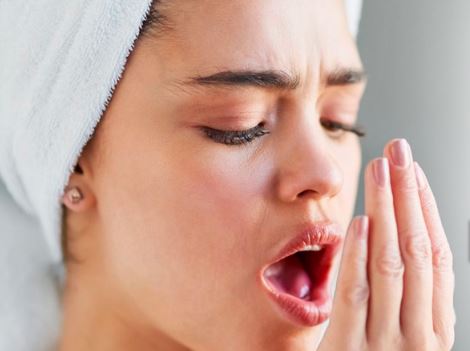
Bad breath, or halitosis, affects millions worldwide and can undermine confidence and social interactions. Occasional morning breath is normal, but persistent halitosis usually signals an underlying issue. In this article, we explore causes of bad breath, effective preventive measures, and treatment options. Plus, discover how Mendzone’s home diagnostic services help you address systemic contributors—right from your doorstep.
1. What Is Halitosis?
Halitosis refers to unpleasant mouth odor. Mouth bacteria feed on food debris, dead cells, and sugars, releasing foul-smelling sulfur compounds. While temporary morning breath often resolves with brushing, chronic halitosis can indicate deeper problems—requiring a combination of oral care, dietary adjustments, and sometimes medical testing.
2. Common Causes of Bad Breath
- Poor Oral Hygiene
- Food particles and plaque build up on teeth, gums, and tongue → bacterial overgrowth → odor.
- Food & Drink
- Garlic, onions, coffee, and alcohol leave volatile compounds in the mouth.
- Tobacco Use
- Smoking and chewing tobacco not only cause odor but also reduce saliva flow and increase gum disease.
- Dry Mouth (Xerostomia)
- Saliva rinses away bacteria; decreased flow (from dehydration, meds, disease) fosters bad breath.
- Dental Issues
- Gum disease (gingivitis/periodontitis), cavities, and oral infections trap bacteria.
- Medical Conditions
- Sinus or respiratory infections, diabetes (ketoacidosis), liver/kidney disease, and GI disorders can cause halitosis.
3. Preventive Measures
- Maintain Good Oral Hygiene
- Brush teeth twice daily and floss once daily to remove plaque and food debris.
- Clean Your Tongue
- Use a tongue scraper or toothbrush to clear bacteria and dead cells from the tongue’s surface.
- Stay Hydrated
- Drink 8–10 glasses of water daily to stimulate saliva and wash away odor-causing particles.
- Watch Your Diet
- Limit garlic, onions, and coffee. Eat crunchy fruits/veggies (apple, carrot) to scrub teeth naturally.
- Quit Smoking & Tobacco
- Smoking causes persistent odor and raises gum disease risk—quitting improves breath immediately.
- Regular Dental Checkups
- Visit your dentist every 6 months for professional cleaning, cavity detection, and gum disease screening.
4. Treatment Options for Chronic Halitosis
- Antibacterial Mouthwash
- Rinse with chlorhexidine or cetylpyridinium chloride mouthwash as directed by your dentist to reduce VSC‐producing bacteria.
- Sugar-Free Gum & Lozenges
- Chewing stimulates saliva flow, mechanically clearing food debris. Choose xylitol‐sweetened options for added antibacterial benefits.
- Prescription Medications
- For severe gum infections or fungal overgrowth, dentists may prescribe antibiotics or antifungals.
- Professional Dental Cleaning
- Dental hygienists remove tartar and plaque buildup in hard‐to‐reach areas, eliminating bacterial reservoirs.
- Address Underlying Systemic Issues
- Work with your doctor to manage diabetes, GERD, sinusitis, or other conditions that contribute to oral malodor.
5. Key Features of Mendzone
- Free Home Sample Collection
- Enjoy the convenience of blood‐draw at home—no clinic visit needed.
- Fast Reports (24–48 hrs)
- Receive secure digital reports quickly, directly on your phone or email.
- NABL-Accredited Labs
- All tests are processed at trusted, quality‐certified laboratories for reliable results.
- Comprehensive Test Menu
- From CBC and sugar profiles (diabetes screening) to kidney and liver panels—identify systemic causes of halitosis.
- Affordable Pricing & AI Price Comparison
- Compare multiple lab quotes to secure the best rates for your diagnostic needs.
- Pan-India Coverage & 1000+ PIN Codes
- Serving urban and rural areas alike, ensuring nationwide access.
Book Home Blood Tests Now
📞 Call/WhatsApp: 9818386038 / 8278002266
🌐 Visit: www.mendzone.in
📲 Download: Mendzone Health Checkup App
Top FAQs About Bad Breath (Halitosis)
Q1. How can I tell if my bad breath is medical or just dietary?
Persistent halitosis—lasting despite good oral hygiene—often signals medical issues (gum disease, sinusitis, diabetes). Dietary odors (garlic, coffee) usually clear after brushing and rinsing.
Q2. Can a blood test from Mendzone help diagnose causes of bad breath?
Yes. Mendzone’s home blood tests (CBC, liver/kidney function, blood sugar) can uncover conditions like diabetes or renal/liver disorders that contribute to halitosis.
Q3. Is tongue scraping really necessary?
Absolutely. Up to 75% of oral bacteria reside on the tongue. A gentle scraper twice daily removes bacterial biofilm, significantly reducing volatile sulfur compounds.
Q4. What mouthwash should I use for halitosis?
Look for antibacterial mouthwashes containing chlorhexidine or cetylpyridinium chloride. Avoid alcohol‐based rinses if you have dry mouth; they can exacerbate xerostomia.
Q5. How soon will my breath improve after quitting tobacco?
Most people notice fresher breath within days of quitting smoking. Gum disease risk also decreases over months, further improving long-term oral odor.
Conclusion
Halitosis can erode confidence, but understanding its causes—from poor oral hygiene to systemic diseases—empowers you to fight it effectively. Adopting rigorous oral care, dietary vigilance, and regular dental visits are first‐line defenses. For persistent cases, Mendzone’s home diagnostic services (blood sugar, liver/kidney panels, CBC) help identify underlying conditions fueling bad breath. By combining preventive habits with timely medical evaluation, you can conquer halitosis and greet each conversation with confidence and a fresh smile.
Mendzone , your premier wellness partner, offers a wide range of medical, health, diagnostic, laboratory tests, and checkup packages from reputable, certified diagnostic labs across the country.Book online Book medical tests or health checkup packages online at Mend Zone with competitive prices and special offers.Mendzone’s – online platform allows customers to compare and select the best-rated health checkup packages from leading laboratories nationwide. Discover discounted health checkup plans tailored for various needs, including youth, women, senior citizens, newborns, employees, pre-employment, and couples. |
DISCLAIMER: THIS WEBSITE DOES NOT PROVIDE MEDICAL ADVICE
The information, including but not limited to, text, graphics, images and other material contained on this website are for informational purposes only. No material on this site is intended to be a substitute for professional medical advice, diagnosis or treatment. Always seek the advice of your physician or other qualified health care provider with any questions you may have regarding a medical condition or treatment and before undertaking a new health care regimen, and never disregard professional medical advice or delay in seeking it because of something you have read on this website.