
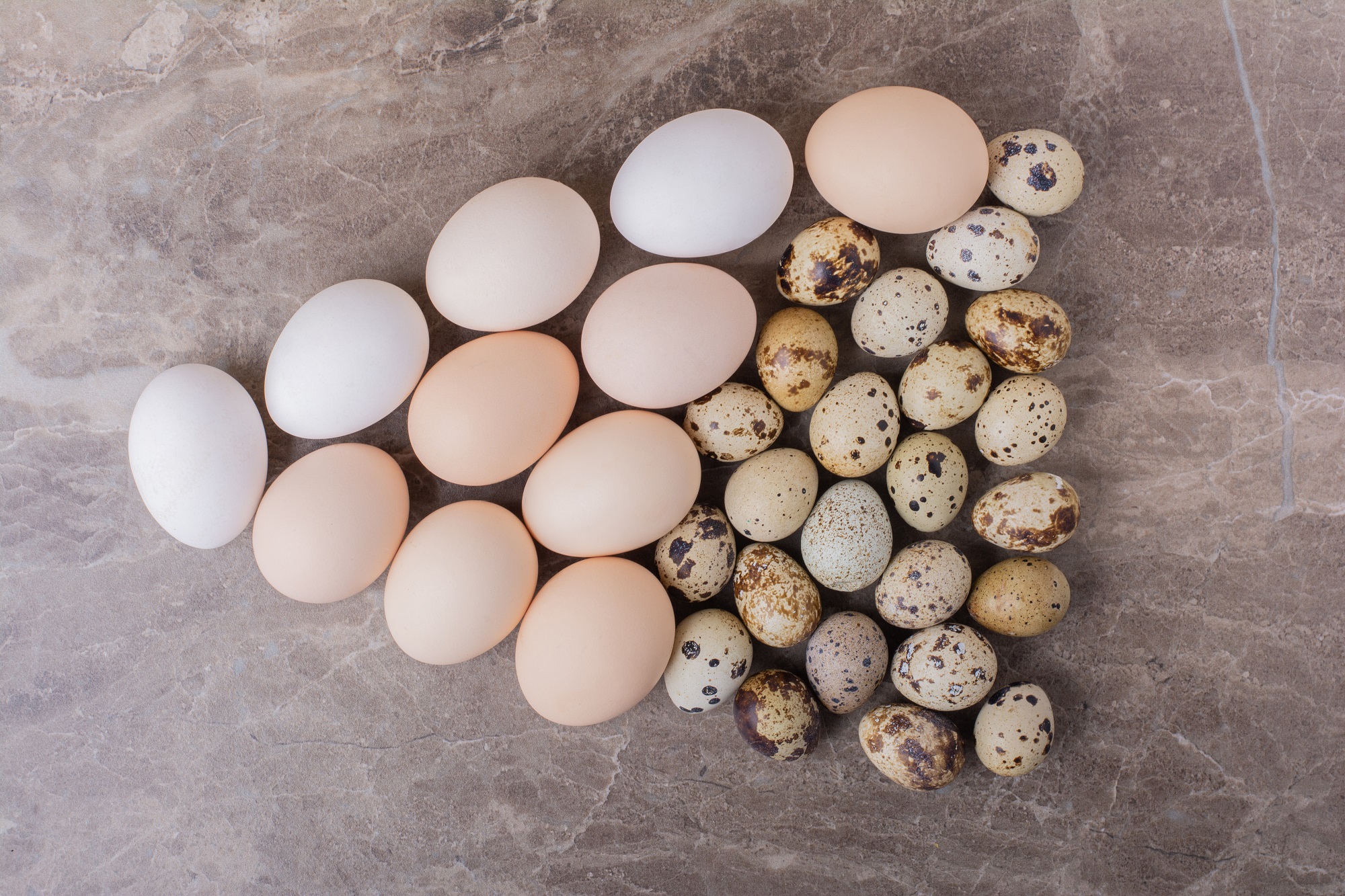
Eggs are among the most versatile and nutritious foods, offering a wide variety of health benefits. While chicken eggs are the most commonly consumed, several other types of edible eggs exist, each with unique nutritional profiles and culinary applications. Whether it’s quail eggs for gourmet dishes, duck eggs for baking, or nutrient-packed ostrich eggs, each variety has something special to offer.
In this comprehensive guide, we’ll explore the different types of edible eggs, compare their nutrition, discuss their health benefits, and address potential side effects. By the end, you’ll have a better understanding of which egg might be the best choice for your dietary needs.
Common Types of Edible Eggs
1. Chicken Eggs
The most widely consumed egg globally, chicken eggs are affordable, versatile, and packed with essential nutrients.
- Size: Medium to large.
- Taste: Mild and versatile.
2. Duck Eggs
Duck eggs are slightly larger and richer in flavor compared to chicken eggs. They are popular in baking due to their higher fat content.
- Size: Larger than chicken eggs.
- Taste: Richer and creamier.
3. Quail Eggs
Known for their petite size and delicate flavor, quail eggs are a delicacy in many cuisines and often used as garnishes.
- Size: Small and speckled.
- Taste: Mild, similar to chicken eggs.
4. Goose Eggs
Goose eggs are much larger than chicken eggs and have a rich, gamey flavor. They are ideal for recipes that require thick and creamy textures.
- Size: Large.
- Taste: Rich and strong.
5. Ostrich Eggs
As the largest bird eggs, ostrich eggs can weigh up to 3 pounds and feed multiple people. They are a unique choice for special occasions.
- Size: Extra-large.
- Taste: Similar to chicken eggs but milder.
6. Turkey Eggs
Turkey eggs are rare due to limited production. They are larger than chicken eggs and have a creamy texture.
- Size: Larger than chicken eggs.
- Taste: Rich and creamy.
Nutrition Comparison of Edible Eggs
| Egg Type | Calories | Protein (g) | Fat (g) | Cholesterol (mg) | Key Nutrients |
|---|---|---|---|---|---|
| Chicken | 70 | 6 | 5 | 186 | Vitamin D, Choline, B12 |
| Duck | 130 | 9 | 10 | 619 | Iron, Omega-3, Vitamin A |
| Quail | 14 per egg | 1.2 | 1 | 76 | Selenium, Vitamin B2 |
| Goose | 266 | 19 | 20 | 1,227 | Vitamin B12, Vitamin A, Iron |
| Ostrich | ~200 | 13 | 15 | 2,000 | Zinc, Magnesium, B vitamins |
| Turkey | 135 | 11 | 9 | 933 | Vitamin D, Vitamin A |
Health Benefits of Eating Eggs
1. Excellent Source of Protein
Eggs provide high-quality protein, containing all nine essential amino acids necessary for muscle repair and overall growth.
2. Heart Health
Eggs, especially those enriched with omega-3 fatty acids, can improve heart health by reducing inflammation and lowering triglyceride levels.
3. Brain Development
The choline in eggs supports brain development and cognitive function, making them beneficial for pregnant women and children.
4. Eye Health
Eggs contain lutein and zeaxanthin, antioxidants that protect against cataracts and macular degeneration.
5. Weight Management
Eggs are filling and low in calories, making them an excellent choice for weight management and appetite control.
6. Bone Health
Eggs are a natural source of Vitamin D, which aids calcium absorption and strengthens bones.
Potential Side Effects of Eating Eggs
1. Allergies
Some individuals, especially children, may be allergic to egg proteins, causing symptoms like hives, nasal congestion, or digestive upset.
2. High Cholesterol
While dietary cholesterol in eggs has minimal impact on most people, excessive consumption may not be suitable for those with existing heart conditions.
3. Contamination Risk
Raw or undercooked eggs may carry Salmonella bacteria, leading to food poisoning. Always ensure eggs are cooked thoroughly.
4. Caloric Excess
Duck, goose, and ostrich eggs have higher calorie counts, which could lead to overconsumption if not portioned carefully.
Which Egg Is the Best to Eat?
The “best” egg depends on individual dietary needs and preferences.
- For Everyday Nutrition: Chicken eggs are affordable, nutrient-dense, and versatile.
- For Baking: Duck eggs provide a richer texture and flavor.
- For Low-Calorie Options: Quail eggs are excellent for portion control.
- For Unique Dishes: Ostrich or goose eggs add novelty and rich flavor to meals.
Frequently Asked Questions About Edible Eggs
1. Are duck eggs healthier than chicken eggs?
Duck eggs contain more protein, fat, and essential nutrients, making them richer in nutrition. However, they are also higher in calories and cholesterol.
2. Can quail eggs be eaten raw?
Yes, quail eggs can be eaten raw, but ensure they come from a trusted source to avoid contamination.
3. How often should I eat eggs?
For healthy individuals, consuming 1–3 eggs daily is generally safe. Consult a doctor for personalized recommendations.
4. Are eggs good for weight loss?
Yes, eggs are high in protein and low in calories, making them a satiating option for weight loss diets.
5. Are ostrich eggs safe to eat?
Yes, ostrich eggs are safe to eat and can be cooked like chicken eggs, although they require longer cooking times due to their size.
6. Do eggs raise cholesterol levels?
For most people, eggs have minimal impact on blood cholesterol. Those with heart conditions should moderate their intake.
7. How should eggs be stored?
Store eggs in the refrigerator at a consistent temperature to maintain freshness and reduce the risk of bacterial contamination.
8. Can eggs be part of a vegetarian diet?
Yes, ovo-vegetarians include eggs in their diet while avoiding meat and fish.
Conclusion
Eggs are a versatile and nutritious food, with various types catering to diverse culinary and dietary needs. While chicken eggs remain the most popular choice, exploring alternatives like duck, quail, or ostrich eggs can diversify your meals and boost your nutrient intake.
When consuming eggs, moderation and proper preparation are key to maximizing their health benefits while minimizing risks. Mendzone supports your journey to better health with expert guidance, diagnostic tools, and personalized wellness resources.
Take the first step toward informed and healthier food choices by incorporating the right type of egg into your diet and consulting Mendzone for all your nutritional needs.
Mendzone , your premier wellness partner, offers a wide range of medical, health, diagnostic, laboratory tests, and checkup packages from reputable, certified diagnostic labs across the country.Book online Book medical tests or health checkup packages online at Mend Zone with competitive prices and special offers.Mendzone’s – online platform allows customers to compare and select the best-rated health checkup packages from leading laboratories nationwide. Discover discounted health checkup plans tailored for various needs, including youth, women, senior citizens, newborns, employees, pre-employment, and couples. |
DISCLAIMER: THIS WEBSITE DOES NOT PROVIDE MEDICAL ADVICE
The information, including but not limited to, text, graphics, images and other material contained on this website are for informational purposes only. No material on this site is intended to be a substitute for professional medical advice, diagnosis or treatment. Always seek the advice of your physician or other qualified health care provider with any questions you may have regarding a medical condition or treatment and before undertaking a new health care regimen, and never disregard professional medical advice or delay in seeking it because of something you have read on this website.