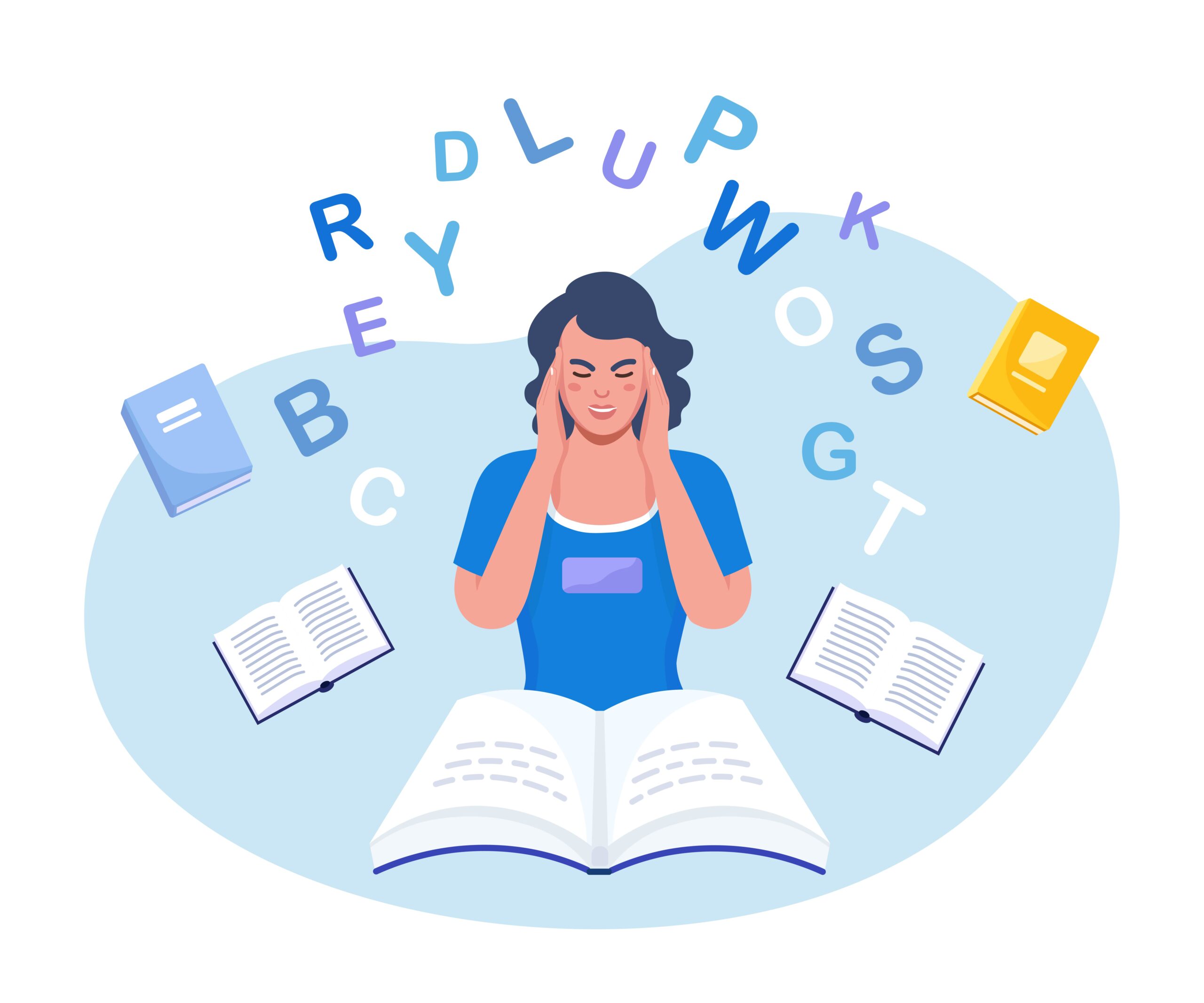
Dyslexia is a learning disorder that affects a person’s ability to read, write, and spell. It is a common condition, estimated to affect 5-10% of the population. Despite having normal intelligence, people with dyslexia struggle to process language and decode words, making reading and writing challenging tasks. This comprehensive guide aims to explore the various aspects of dyslexia, including its symptoms, causes, types, treatment options, and frequently asked questions. By understanding this condition better, we can support individuals with dyslexia and help them reach their full potential.
Understanding Dyslexia
Dyslexia is a neurodevelopmental disorder that affects the brain’s ability to process language. It’s not a problem with intelligence or vision but rather a difference in how the brain processes written and spoken language. Individuals with dyslexia often have difficulty with phonological awareness (understanding the sounds in words), decoding (matching letters to sounds), and reading fluency. This can lead to challenges with reading comprehension, spelling, and writing.
Recognizing the Symptoms of Dyslexia
Dyslexia symptoms can vary depending on the individual and their age. However, some common signs and symptoms to look out for include:
Preschool and Early Elementary Years:
- Delayed speech and language development
- Difficulty learning nursery rhymes or songs
- Trouble recognizing or naming letters and numbers
- Difficulty learning to read or write their own name
- Mixing up the order of letters in words
- Difficulty remembering or following instructions
Elementary School Years:
- Reading below grade level
- Difficulty with spelling and phonics
- Slow and laborious reading
- Avoiding reading aloud or in front of others
- Difficulty understanding jokes or idioms
- Trouble with word problems in math
Teens and Adults:
- Continued difficulty with reading, writing, and spelling
- Avoiding activities that involve reading or writing
- Difficulty summarizing or comprehending written material
- Struggling with learning a foreign language
- Trouble with time management and organization
Causes of Dyslexia: Unraveling the Mystery
The exact causes of dyslexia are still being researched, but it is believed to be a combination of genetic and environmental factors.
-
Genetic Factors:
- Family History: Dyslexia often runs in families, suggesting a strong genetic component.
- Brain Structure and Function: Brain imaging studies have shown subtle differences in the brains of people with dyslexia, particularly in areas involved in language processing.
-
Environmental Factors:
- Prenatal and Early Childhood Factors: Exposure to certain toxins or infections during pregnancy or early childhood may increase the risk of dyslexia.
- Socioeconomic Factors: Children from disadvantaged backgrounds may have less access to early literacy experiences, which can impact their reading development.
Types of Dyslexia
While dyslexia is a broad term, there are different types that can present with slightly varying symptoms and challenges:
- Phonological Dyslexia: Difficulty with sounding out words and recognizing the connection between letters and sounds.
- Surface Dyslexia: Trouble recognizing words by sight and relying on sounding out words each time.
- Rapid Naming Deficit: Difficulty quickly naming letters, numbers, or objects, which can affect reading fluency.
- Double Deficit Dyslexia: A combination of phonological and rapid naming deficits, often resulting in significant reading challenges.
Diagnosis of Dyslexia: A Comprehensive Approach
Dyslexia is typically diagnosed by a team of professionals, including a psychologist, educational specialist, or speech-language pathologist. The diagnostic process usually involves:
- Comprehensive Evaluation: This includes a detailed assessment of the individual’s reading, writing, spelling, and language skills.
- Medical and Developmental History: Information about the individual’s medical history, developmental milestones, and family history of learning disabilities is gathered.
- Standardized Tests: These tests assess various aspects of reading, language, and cognitive skills.
- Rule out other Conditions: Other conditions that can cause reading difficulties, such as vision or hearing problems, are ruled out.
Treatment and Management: Empowering Individuals with Dyslexia
While there’s no cure for dyslexia, early intervention and appropriate support can help individuals with dyslexia learn to read, write, and spell effectively. Treatment approaches may include:
- Specialized Reading Instruction: Structured, multisensory reading programs that focus on phonics, phonemic awareness, fluency, and comprehension.
- Accommodations and Assistive Technologies: Providing tools and strategies to help individuals with dyslexia navigate academic and work environments, such as extra time on tests, audiobooks, or text-to-speech software.
- Individualized Education Plans (IEPs): In school settings, IEPs can be developed to provide tailored support and accommodations for students with dyslexia.
- Counseling and Emotional Support: Dyslexia can impact self-esteem and confidence. Counseling can help individuals develop coping mechanisms and build resilience.
Frequently Asked Questions (FAQs)
-
Is dyslexia a lifelong condition?
- Yes, dyslexia is a lifelong condition. However, with appropriate support and interventions, individuals with dyslexia can learn to manage their challenges and achieve success in school, work, and life.
-
Can dyslexia be outgrown?
- While some children with mild dyslexia may show improvement in their reading skills over time, dyslexia is a persistent condition that requires ongoing support and accommodations.
-
Does dyslexia affect intelligence?
- No, dyslexia is not related to intelligence. Many individuals with dyslexia are highly intelligent and creative.
-
Can dyslexia be cured?
- Currently, there’s no cure for dyslexia. However, early intervention and appropriate support can significantly improve reading and language skills.
mend.zone: Your Partner in Health Management
When it comes to understanding and managing your health, having access to reliable diagnostic tests is crucial. mend.zone is your trusted source for a wide range of health checkups and tests, including specialized assessments for cognitive function and learning difficulties. We offer convenient home sample collection and AI-enabled technology to compare prices and find the best deals on tests.
Key Features of mend.zone
- Compare Diagnostic Packages: Easily compare tests and packages from different labs to make informed decisions.
- Extensive Range of Tests and Packages: Find the right test for your specific needs, including those related to neurological and cognitive health.
- Home Sample Collection: Get your samples collected from the comfort of your home, saving you time and effort.
- AI-Enabled Technology: Get the best deals on tests by comparing prices from different labs.
- Online Booking: Book your tests easily online or through our mobile app.
- Rewards and Discounts: Enjoy exclusive offers and referral bonuses.
- NABL-Accredited Labs: We partner with top-rated labs for accurate and reliable results.
- Expert Guidance: Our team of experts is available to answer your questions and guide you through the testing process.
Conclusion
Dyslexia is a common learning disorder that affects reading, writing, and spelling. While it can pose challenges, early identification, appropriate support, and effective interventions can empower individuals with dyslexia to thrive academically and personally. If you or your child is struggling with reading or other language-based skills, don’t hesitate to seek professional evaluation and explore available resources. Remember, dyslexia is not a barrier to success, and with the right support, individuals with dyslexia can achieve their full potential.
mend.zone (Mend Zone), your premier wellness partner, offers a wide range of medical, health, diagnostic, laboratory tests, and checkup packages from reputable, certified diagnostic labs across the country.Book online Book medical tests or health checkup packages online at Mend Zone with competitive prices and special offers.mend.zone – Mend Zone’s online platform allows customers to compare and select the best-rated health checkup packages from leading laboratories nationwide. Discover discounted health checkup plans tailored for various needs, including youth, women, senior citizens, newborns, employees, pre-employment, and couples. |
DISCLAIMER: THIS WEBSITE DOES NOT PROVIDE MEDICAL ADVICE
The information, including but not limited to, text, graphics, images and other material contained on this website are for informational purposes only. No material on this site is intended to be a substitute for professional medical advice, diagnosis or treatment. Always seek the advice of your physician or other qualified health care provider with any questions you may have regarding a medical condition or treatment and before undertaking a new health care regimen, and never disregard professional medical advice or delay in seeking it because of something you have read on this website.